

Understanding Fortified Wine: Port Wine, Sherry, ABV, and Bottle Recommendations


📖 Table of Contents ▼
Fortified wine is wine enriched with a neutral grape spirit distillate (typically grape brandy or aguardente), raising its alcohol content to 17-22% ABV and extending its shelf life far beyond standard table wine. In classic European winemaking, the timing of that brandy addition defines the style: adding spirit mid-fermentation yields rich, sweet Port wine, while adding it after fermentation finishes produces dry, nutty Spanish Sherry.
In the culinary world, port wine is a sweet fortified wine ranging from ruby to amber in color, originating from Portugal’s Douro Valley (distinct from the medical term port-wine stain). Alongside Port and Sherry from Jerez, Spain, this category includes Madeira from the Madeira Islands, Marsala from Sicily, and botanical-infused Vermouth.
- 17-22% ABV Strength: Adding grape spirit boosts alcohol above conventional wine (11-14.5% ABV). This gives the wine a full-bodied texture, warming palate, and natural resistance to oxidation.
- Fortification Timing Dictates Sweetness: Brandy poured before fermentation finishes halts yeast activity early, leaving 90 to 130 grams per liter of natural grape sugar in Port wine. For dry Sherry (Fino and Oloroso), fermentation runs to completion until all sugar is consumed.
- Portuguese Port vs. Spanish Sherry: Port relies on red Douro grapes with flavors of black fruit, raisin, toffee, and chocolate. Sherry from Jerez uses white Palomino and Pedro Ximenez grapes, employing flor yeast and the Solera system to build savory walnut notes or syrupy date sweetness.
- Long Shelf Life After Opening: Unlike dry table wine that fades within 2 to 4 days, most Tawny Port, Reserve Port, and Oloroso bottles stay fresh for 2 to 8 weeks in the refrigerator when tightly stoppered.
- Standard 75 ml Sommelier Pour: Because of its high alcohol and concentrated flavor, fortified wine is sipped slowly from a small tulip glass in a 75 ml pour (half the size of a standard table wine pour).
Sommelier Note (21+): Because fortified wine carries 17-22% ABV, enjoy it in relaxed 75 ml pours per session so its aromatics shine without overwhelming the palate. Compare alcohol levels across wine styles in our complete guide to wine alcohol content .
The Science Behind Fortified Wine: Why Brandy Timing Changes Everything
The fundamental difference between sweet and dry fortified wine does not come from added cane sugar, but from the exact moment the winemaker arrests yeast fermentation with high-proof grape spirit (typically neutral 77% ABV spirit in Portugal or 95% ABV in Jerez). Once alcohol levels cross roughly 15 to 16%, Saccharomyces yeast shuts down and dies naturally.
This technique emerged in the 17th and early 18th centuries as British and Scottish merchants shipped wine from Portugal’s Douro Valley and Andalusia, Spain. Long Atlantic sea voyages often turned ordinary table wine to vinegar under fluctuating temperatures. Adding a measure of brandy before departure preserved fresh fruit character and kept the wine stable for months at sea.
1. Mid-Fermentation Fortification (Mutage) for Sweet Port Wine
In Port production, red Douro grape juice ferments on its skins for only 2 to 3 days until alcohol reaches 6 to 8% ABV and roughly half the natural sugar remains. The fermenting must is then racked into casks containing aguardente at a ratio of about 4 parts must to 1 part spirit. Yeast activity stops immediately, locking in 90 to 120 grams per liter of pure grape sugar and yielding a fortified wine at 19-20% ABV.
2. Post-Fermentation Fortification for Dry Sherry and Flor
To craft Fino, Manzanilla, Amontillado, or Oloroso Sherry, white Palomino grapes from Andalusia ferment completely into a bone-dry base wine at 11-12% ABV with zero residual sugar. Producers then fortify to two strategic thresholds: 15-15.5% ABV allows a natural surface yeast veil called flor to grow over the wine in cask, shielding it from oxygen and imparting crisp green apple and bread-dough aromas (Fino). Fortifying directly to 17-18% ABV kills the flor so the wine ages oxidatively, developing a mahogany hue and roasted walnut flavors in Oloroso.
3. The Solera System vs. Reductive and Oxidative Aging
Two distinct aging regimes shape fortified wine maturity. In Jerez, producers use the Solera and Criadera system of tiered oak barrels: each year, a small fraction of the oldest wine from the bottom row (Solera) is bottled, and those barrels are topped up from the younger tier above in sequence, keeping house style consistent across decades. In Portugal, Ruby and Vintage Ports age with minimal oxygen exposure to preserve fresh berry fruit, whereas Tawny Port matures in small 550-liter oak pipes for 10 to 30 years, encouraging slow oxidation and concentrated caramel flavors.
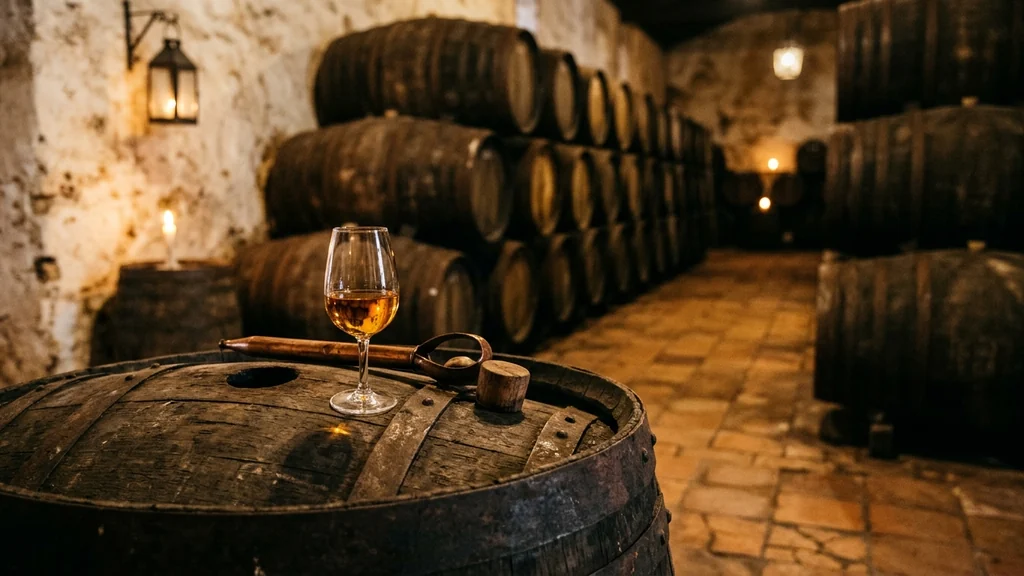
Understanding Port Wine: From Fresh Ruby to 20-Year Aged Tawny
Port wine is a protected fortified wine from Portugal’s Douro Valley and the coastal cellars of Vila Nova de Gaia, blended from indigenous grapes including Touriga Nacional, Touriga Franca, Tinta Roriz, and Tinto Cao. Casual drinkers often assume every Port bottle tastes alike, yet wood and bottle aging divide it into four distinct styles.
- Ruby and Special Reserve Port: The most approachable Port style for newcomers. Aged in stainless steel tanks or massive oak vats for 2 to 4 years to limit oxygen contact, it pours deep ruby red with aromas of blackberry, fresh plum, dark chocolate, and supple tannins. It is meant to be enjoyed young without long cellaring.
- Late Bottled Vintage (LBV) Port: Produced from a single standout harvest and aged in oak casks for 4 to 6 years before bottling. LBV delivers spice, black pepper, and dark cherry depth close to classic Vintage Port, yet it is ready to drink upon release without decades of waiting.
- Tawny Port and Aged Tawny (10, 20, and 30 Year): Matured for years in small oak casks whose porous staves allow gradual micro-oxygenation. Its deep red color fades to amber-brown (tawny), while fresh fruit shifts into burnt caramel, toffee, dates, roasted almond, cinnamon, and dried orange peel.
- Vintage Port: The pinnacle of Port wine, declared only about three times per decade in exceptional harvests. It spends just 2 years in wood before unfiltered bottling so it can evolve for 20 to 50 years in the cellar. Because it throws heavy natural sediment, Vintage Port requires decanting following our beginner’s guide to decanting wine before serving, and provides a benchmark for whether wine improves with age .
- Indonesian Port-Style Wine and Mistelle: Outside Portugal, Bali producers such as Sababay craft tropical fortified wines using Shiraz and Muscat St. Vallier grapes, employing mutage and oak maturation tailored to Indonesian cuisine.
Exploring Spanish Sherry, Madeira, Marsala, and Vermouth
Many drinkers assume Sherry is always a sweet dessert wine, yet authentic Sherry from Andalusia’s Sherry Triangle (Jerez de la Frontera, El Puerto de Santa Maria, and Sanlucar de Barrameda) is predominantly bone dry and remarkably versatile at the dinner table. Its spectrum centers on five core styles:
- Fino and Manzanilla (15-15.5% ABV): Bone dry, pale gold, and biologically aged under flor yeast, offering sharp green apple, bread dough, chamomile, and a saline sea-breeze finish.
- Amontillado (16-20% ABV): Begins life as a Fino under flor, then transitions to open oxidative aging once the yeast veil thins, uniting herbal freshness with toasted hazelnut richness.
- Oloroso (17-22% ABV): Aged completely without flor for full oxidation from day one. It tastes dry and clean with no residual sugar, yet feels rich and mouth-coating from high glycerol, walnut, mahogany, sweet tobacco, and clove.
- Palo Cortado (18-22% ABV): The rarest Sherry style, combining the lifted aromatics of Amontillado with the broad, weighty palate of Oloroso.
- Cream Sherry and Pedro Ximenez / PX (15-18% ABV): The premier sweet Sherry styles. Cream Sherry blends dry Oloroso with sweet PX, while pure Pedro Ximenez is pressed from grapes sun-dried on straw mats in Andalusia until they turn to raisins, producing an ink-black nectar of date syrup, molasses, espresso, and dark chocolate.
Other World Fortified Wines: Madeira, Marsala, and Vermouth
Beyond Port and Sherry, three other classic families round out the category. Madeira from Portugal’s volcanic island undergoes controlled heating (estufagem or canteiro) that mimics 18th-century ship holds, yielding razor-sharp acidity and a lifespan of decades even after opening. Marsala from Sicily, Italy spans Secco (dry) to Dolce (sweet) with caramelized vanilla notes prized both after dinner and in classic pan sauces. Finally, Vermouth (such as Martini Rosso Sweet Vermouth ) is an aromatized fortified wine infused with wormwood, bitter orange peel, and culinary herbs, forming the backbone of the Martini, Manhattan, and Negroni.
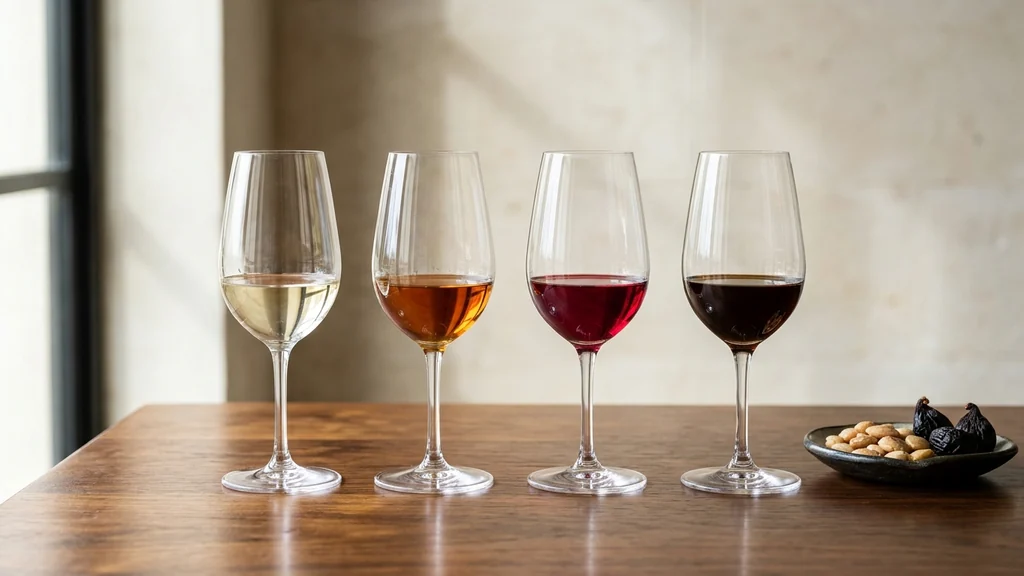
Port Wine vs. Sherry, Madeira, Marsala, and Vermouth
To choose the right bottle for an aperitif, main course, or dessert, compare the sensory profiles, ABV, and serving temperatures across every major fortified wine style:
| Style and Origin | Primary Grape Varieties | Fortification Timing | Alcohol Content | Flavor and Sweetness Profile | Serving Temperature |
|---|---|---|---|---|---|
| Ruby and LBV Port (Douro, Portugal) | Touriga Nacional, Touriga Franca, Tinta Roriz | Mid-fermentation (retains natural fruit sugar) | 19-20% ABV | Richly sweet, full-bodied, fresh black fruit, plum, dark chocolate, supple tannins | 15-17°C |
| Aged Tawny Port 10-20 YO (Porto, Portugal) | Touriga Nacional and Douro Field Blend | Mid-fermentation plus small-cask oxidation | 19.5-20% ABV | Smooth medium-full sweetness, caramel, toffee, dried fig, roasted hazelnut | 12-15°C |
| Dry Sherry: Fino and Oloroso (Jerez, Spain) | 100% Palomino Fino | Post-fermentation (bone dry) | 15% (Fino) or 17-20% (Oloroso) | Bone dry, yeasty apple and sea salt (Fino) or walnut and tobacco (Oloroso) | 7-9°C (Fino), 12-14°C (Oloroso) |
| Sweet Sherry: Cream and Pedro Ximenez (Jerez, Spain) | Pedro Ximenez (sun-dried) and Palomino | Before or at the start of raisin-must fermentation | 15-18% ABV | Lusciously sweet, black raisin syrup, dates, mocha, caramel | 10-14°C |
| Madeira (Madeira Islands, Portugal) | Sercial, Verdelho, Bual, Malmsey | Varies by sweetness level, plus estufagem heating | 18-21% ABV | Dry to sweet, piercing acidity, roasted orange peel, smoky spice | 13-16°C |
| Vermouth Rosso and Extra Dry (Italy / France) | White or red wine base plus botanical infusion | Post-fermentation plus sweetener and herbs | 15-18% ABV | Bittersweet aromatic herbs (Rosso) or crisp dry citrus flora (Extra Dry) | 6-10°C or over ice |
How to Drink Port Wine: Glassware, Shelf Life, and Food Pairing
Serving fortified wine well requires three simple adjustments compared to daily table wine: chilling it cooler than Indonesia’s warm ambient rooms, choosing a stemmed glass with a narrow rim to focus aromatics without alcohol burn, and pouring 75 ml per serving.
1. Proper Glassware and Ideal Temperatures in a Tropical Climate
Avoid pouring Port or Sherry into a wide Burgundy bowl, which lets 20% ABV alcohol vapors hit the nose. Use a Port glass , Sherry copita , or a narrow-bowled white wine glass from our guide to 7 wine glass types and their uses . In Indonesia’s warm climate, never serve Port at tropical room temperature (28-32°C); chill Ruby and LBV Port to 15-17°C, while Tawny Port and Oloroso Sherry taste sharpest and most balanced at 12-14°C.
2. How Long Does Fortified Wine Last After Opening?
The biggest advantage of fortified wine for home drinkers is its longevity. High alcohol acts as a natural shield against vinegar bacteria, outlasting standard red wine’s 3 to 5 day window (see full details in our guide on how long wine lasts after opening ). Re-cork the bottle and store it upright in the refrigerator:
- Ruby Port, Special Reserve, and LBV Port: Stay fresh for 2 to 4 weeks in the refrigerator without losing their bright cherry fruit.
- Aged Tawny Port (10 to 30 Year): Already accustomed to years of oxygen contact in wood, Tawny Port drinks well for 4 to 8 weeks after opening.
- Vintage Port: Finish within 2 to 4 days, as unfiltered bottles oxidize quickly like mature fine red wine.
- Oloroso, Cream, and Pedro Ximenez Sherry: Remain rich and aromatic for 4 to 8 weeks in the chiller.
- Fino and Manzanilla Sherry: Very delicate once separated from their flor veil; treat them like crisp white wine and finish within 5 to 7 days in the fridge.
3. Food Pairing Guide for Classic Palates and Indonesian Cuisine
Fortified wine offers remarkable versatility at the table, balancing salty cheeses as effortlessly as rich coconut-milk and spiced Indonesian dishes:
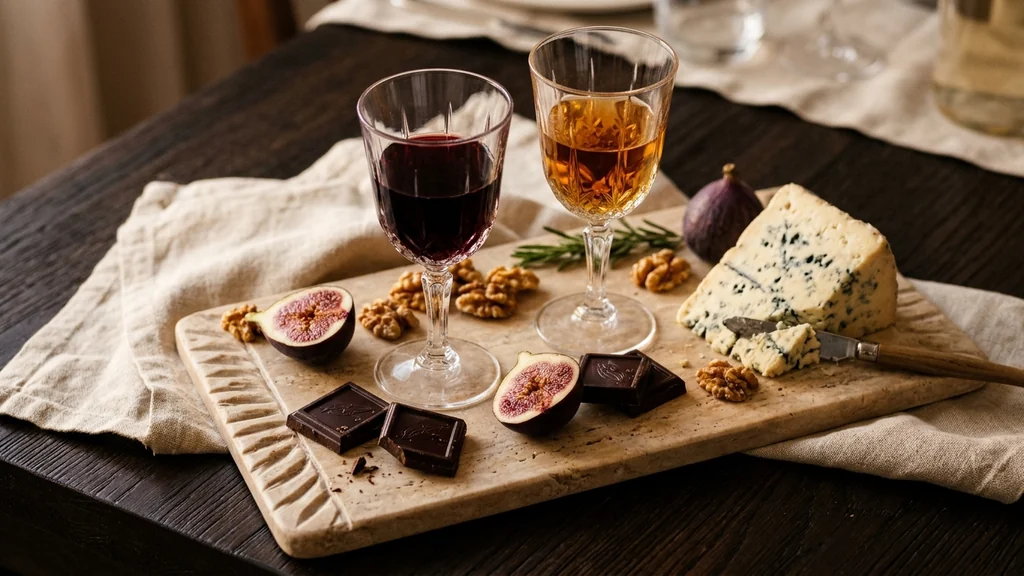
- Ruby or Reserve Port + Blue Cheese and Dark Chocolate: The classic pairing of salty Stilton or Roquefort with Port’s sweet black fruit creates a savory-sweet salted caramel effect (learn the mechanics in our sommelier cheese and wine pairing guide ). For dessert, 70% dark chocolate ganache pairs cleanly with Reserve or LBV Port.
- Aged Tawny Port + Caramel Desserts and Aged Gouda Kastengel: The toffee, hazelnut, and dried orange peel notes of a 10-Year Tawny Port match creme brulee, almond tart, baked cheesecake, and aged Gouda kastengel cookies.
- Dry Oloroso Sherry + Beef Rendang or Roasted Mushrooms: Full-bodied and dry with roasted nut, oak, and clove notes, Alfonso Oloroso stands up to caramelized coconut milk and the dense spices of beef rendang without clashing sweetness.
- Pedro Ximenez (PX) + Vanilla Ice Cream (Affogato Style): Pour 45 ml of chilled Pedro Ximenez directly over two scoops of pure vanilla bean ice cream for an effortless dessert.
6 Recommended Port Wine, Sherry, and Fortified Bottles at Peakwine
Every bottle below is in stock and stored in Peakwine’s temperature-controlled cellar to preserve aromatic freshness until it reaches your table. Browse the full range in the Peakwine Fortified and Port Wine catalog , or compare lighter options in our list of recommended sweet wines for beginners ::
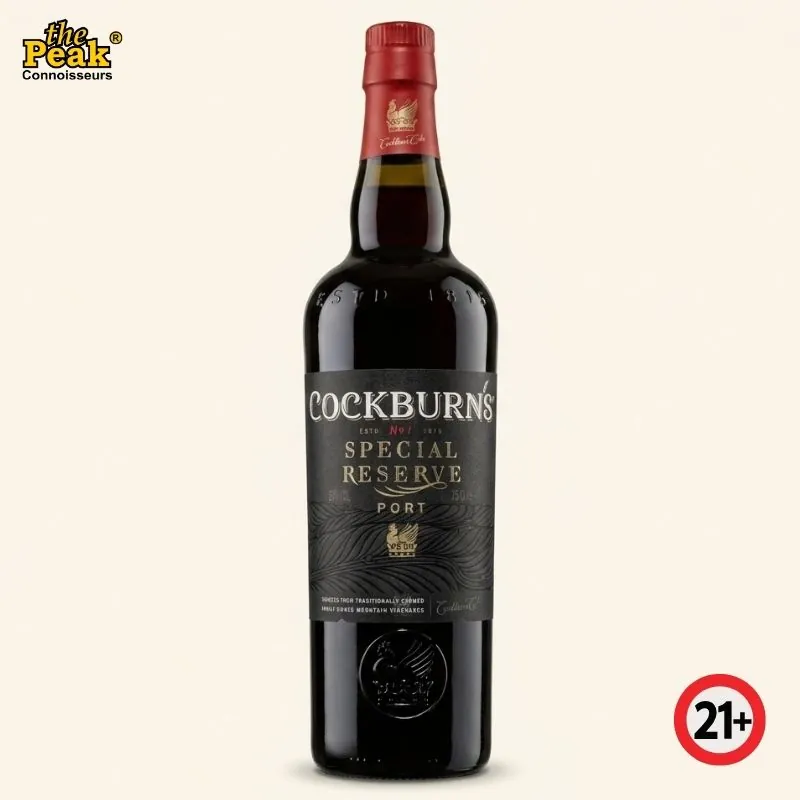
Cockburn’s Special Reserve Port Portugal 750ml
The benchmark for the Reserve Port category since 1969. It pours a deep ruby color with aromas of dried plum, black cherry, blackcurrant, chocolate, and sweet oak. The palate is full and velvety with fine tannins and balanced warmth, built for dark chocolate or blue cheese.
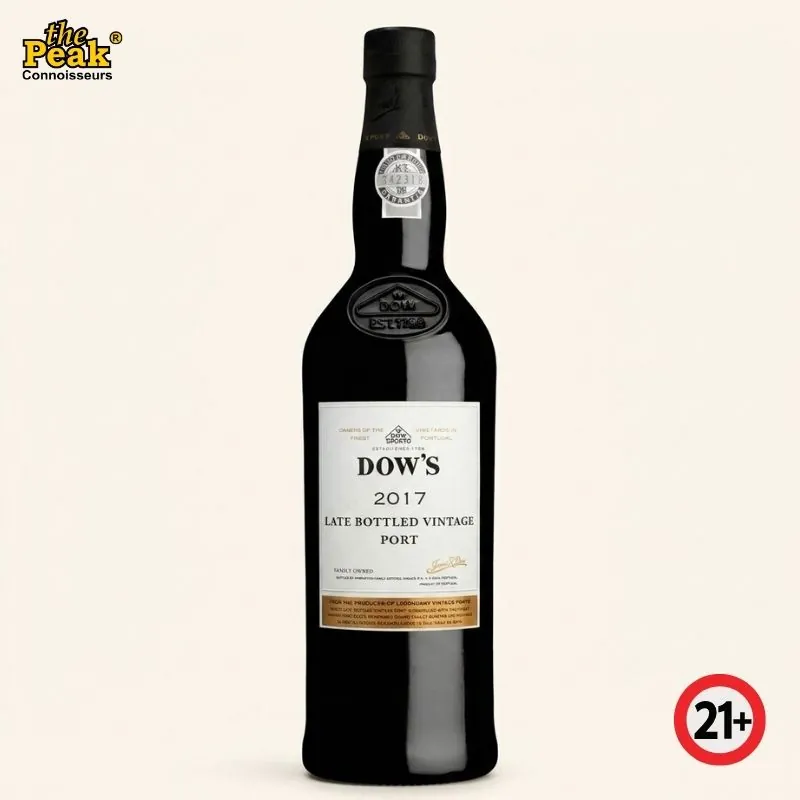
Dows Late Bottled Vintage Port 2018 Portugal 750ml
A single-vintage Port from the standout 2018 harvest, aged 4 to 6 years before bottling. It delivers concentrated aromas of dark chocolate, morello cherry, and soft pepper, with brisk acidity that keeps the sweetness focused and never cloying.
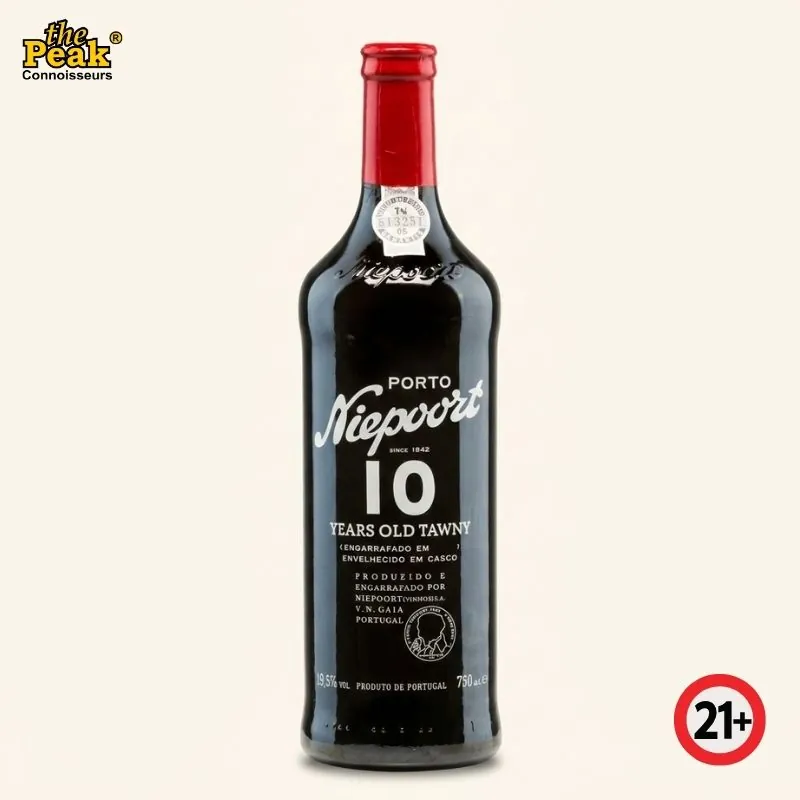
Niepoort 10 YO Tawny Portugal 750ml
A classic Tawny Port aged for an average of a decade in small oak casks in Porto. Copper-brick in color, it opens with dried apricot, candied tangerine peel, caramel, and roasted nuts, finishing with firm structure that shines when served lightly chilled at 12-15°C.
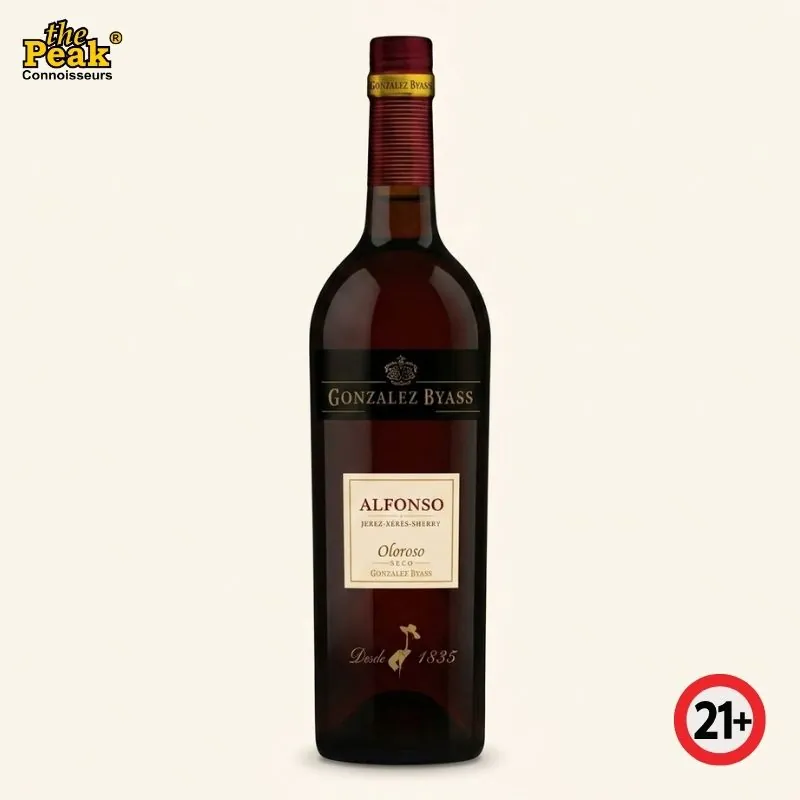
Gonzalez Alfonso Oloroso Spain 750ml
Proof that not all Sherry is sweet. Aged oxidatively without flor in a Solera system, Alfonso Oloroso pours a full-bodied dry profile with walnut, almond, vanilla oak, and savory umami notes that pair naturally with roast beef, rendang, or aged cheese.
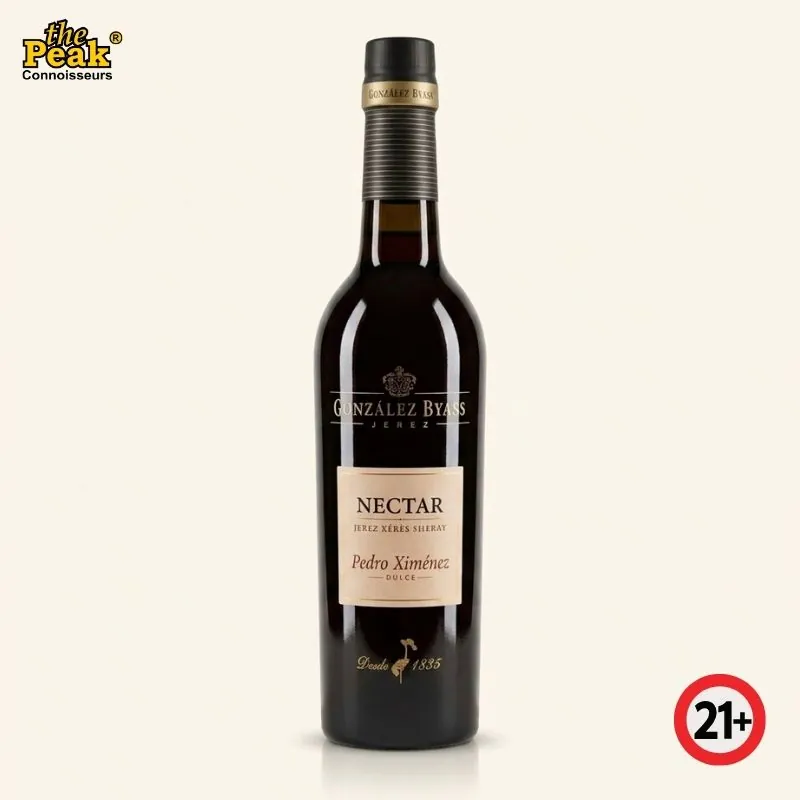
Gonzalez Byass Nectar Pedro Ximenez Sherry Dulce Spain 750ml
A dessert fortified wine with thick sweetness reminiscent of wildflower honey and dark date syrup, made from Pedro Ximénez grapes dried under the Spanish sun. Silky and dense, it layers flavors of raisin, dried fig, dark caramel, and milk chocolate, and it is outstanding poured over vanilla ice cream.
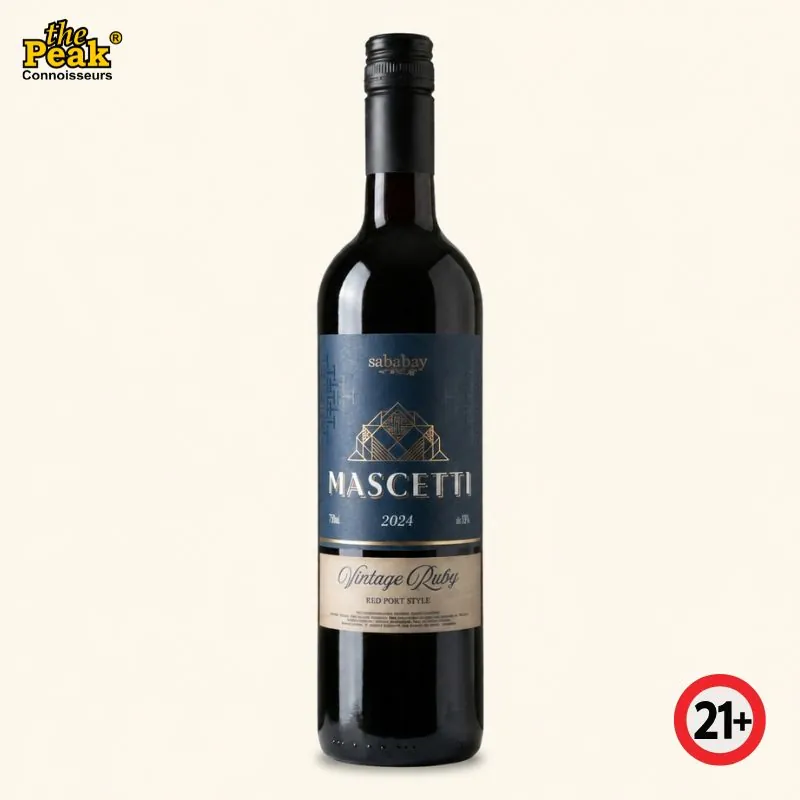
Sababay Mascetti Port Style 2024 Indonesia 750ml
A proud port-style fortified wine from a Bali winery made with locally grown Shiraz. It offers aromas of dark chocolate, vanilla, supple leather, almond, and ripe red cherry, pairing smoothly with Black Forest cake or Indonesian spiced roast lamb.
Frequently Asked Questions About Fortified Wine, Port, and Sherry (FAQ)
What is fortified wine, and why is its alcohol content higher?
Fortified wine is wine to which a pure grape spirit (grape brandy or aguardente) is added during or after fermentation. This addition raises the final alcohol level to 17-22% ABV (compared to 11-14.5% for standard table wine) while naturally extending the wine’s shelf life.
What is Port wine, and where does it come from?
In the wine world, Port wine is a sweet fortified wine from Portugal’s Douro Valley whose fermentation is halted early by adding aguardente, leaving natural grape sugar and an alcohol level around 19-20% ABV. Styles include Ruby Port, LBV, Tawny Port, and Vintage Port.
What is the main difference between Port wine and Sherry?
Port wine comes from Portugal’s Douro Valley, relies mostly on red grape varieties, and is fortified mid-fermentation, which gives it a sweet profile rich in dark berries or caramel. By contrast, Sherry comes from Jerez in Spain, is based on white grapes such as Palomino, and is usually fortified after fermentation finishes, producing dry styles like Fino and Oloroso alongside sweet styles like Pedro Ximénez.
Are all types of Sherry sweet like dessert wine?
No. Most traditional Spanish Sherries are bone-dry with almost zero residual sugar, such as crisp, saline Fino, nutty Amontillado, and full-bodied Oloroso. Sweet Sherry comes from blended styles like Cream Sherry or sun-dried Pedro Ximénez grapes.
Does fortified wine need to be finished in one night after opening?
No. Thanks to its higher alcohol content (17-22% ABV), most fortified wine resists oxidation far better than table wine. As long as the bottle is recorked and stored upright in the refrigerator, Ruby Port stays fresh for 2 to 4 weeks, while Aged Tawny Port and Oloroso Sherry can be enjoyed for 4 to 8 weeks.
What is the best way to drink Port wine or Sherry?
Pour a standard 75 ml serving into a small tulip-shaped glass (a Port glass or copita) to focus the complex aromas without excess alcohol heat. Serve Fino cold (7-9°C), Aged Tawny or Oloroso lightly chilled (12-15°C), and Ruby or LBV Port at 15-17°C alongside dark chocolate, blue cheese, roasted nuts, or richly spiced meat dishes.
Conclusion: Choosing the First Fortified Wine for Your Collection
Understanding how fortified wine works opens up a style of wine completely distinct from everyday red or white wine. When you want smooth warmth packed with dark berries at the end of dinner or alongside 70% dark chocolate, a Ruby or Reserve Port like Cockburn’s Special Reserve is a reliable starting point. If you prefer refined caramel and toffee notes that keep for weeks in the refrigerator, a 10-Year Aged Tawny Port delivers strong value in every pour.
On the other hand, for drinkers who want a full-bodied wine that stays dry without excess sweetness, a bottle of Spanish Oloroso Sherry offers versatile food pairing, even alongside richly spiced Indonesian dishes. You can explore the fundamentals of other wine categories first in our complete beginner’s guide to wine or compare all curated bottles in Peakwine’s Fortified and Port Wine category to match your palate and occasion.
Explore Curated Selections for Your Cellar
Authentic wines, spirits, and sake personally curated by our sommelier team with verified provenance and climate-controlled delivery.
Wine Guide Collection
Over 1,300+ red, white, and sparkling wines from acclaimed global producers.
Explore Wine Catalog → Premium SpiritsWhisky, Gin, and Vodka
Rare single malts, blended Scotch, artisan gin, and 100% agave tequila.
Explore Spirits Catalog → Cold-Chain GuaranteedSake and Asian Drinks
Authentic Japanese Daiginjo, Ginjo, Junmai sake and chilled Korean soju.
Explore Sake Collection → Instant Delivery22+ Official Outlets
Find the nearest Peakwine cellar outlet in Bandung and Jakarta for direct pickup.
Find Store Locations →


 By Wine Style
 Red Wine
 White Wine
 Sparkling Wine & Champagne
 Rosé Wine
 Dessert & Sweet Wine
 Fortified & Port Wine
 By Grape Variety
 Cabernet Sauvignon
 Shiraz
 Chardonnay
 Merlot
 Sauvignon Blanc
 Pinot Noir
 Tempranillo
 Sangiovese
 Malbec
 Grenache
 Semillon
 Primitivo
 Moscato
 Carmenere
 Riesling
 Pinot Grigio
 By Country & Region
 Australia
 France
 Chile
 Indonesia
 Italy
 Argentina
 Spain
 United States
 Portugal
 South Africa
 New Zealand
 Japan
 Germany
 By Taste & Sweetness
 Full-Bodied Wine
 Medium-Bodied Wine
 Light-Bodied Wine
 Sweet & Fruity Wine
 Dry Wine
 Curated Collections
 Best Sellers
 Everyday Value (< 500k)
 Reserve & Cellar

 Whisky & Whiskey
 Single Malt Scotch
 Blended Scotch
 Bourbon & Tennessee
 Japanese Whisky
 Irish Whiskey
 Gin
 London Dry Gin
 Dry Gin
 Tequila & Mezcal
 Vodka
 Premium & Craft Vodka
 Indonesian Vodka
 Rum
 White Rum
 Dark Rum
 Brandy Cognac
 Armagnac
 Liqueur
 Traditional Spirit


