

10 Best Sweet Wines for Beginners in Indonesia: Crisp, Light, and Smooth


📖 Table of Contents ▼
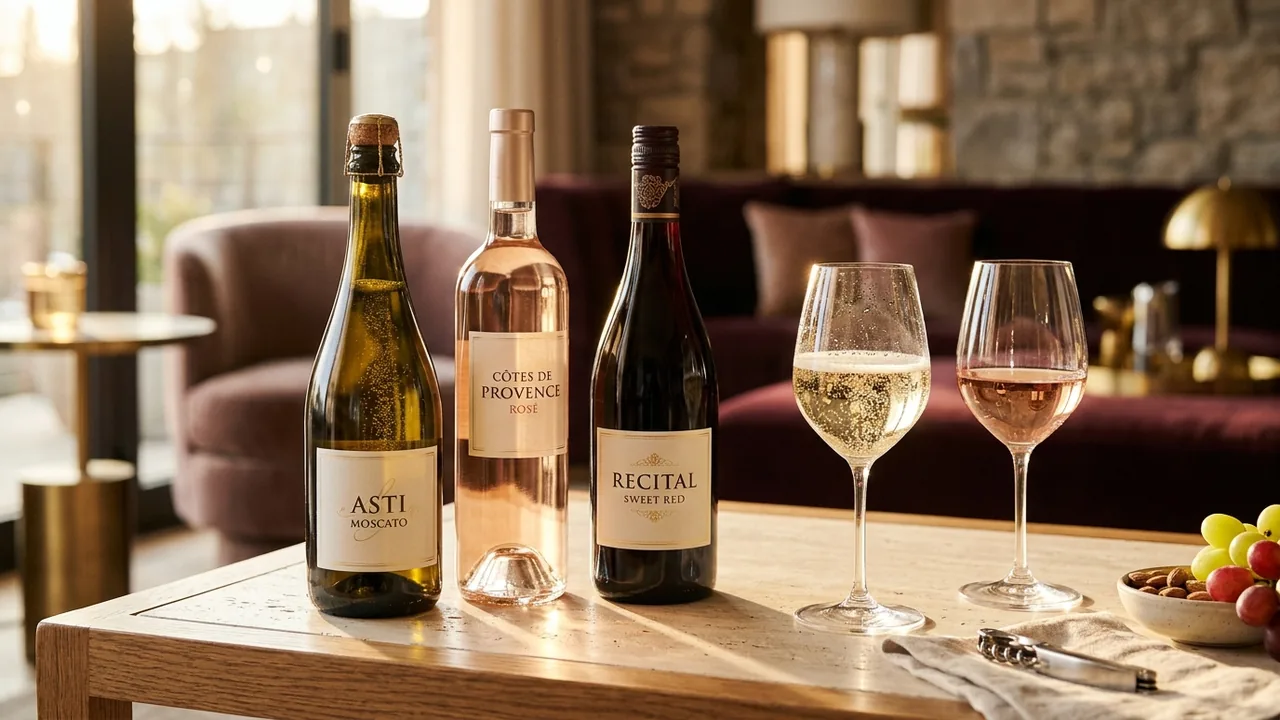
Sweet wine is the best entry point for beginners who want to enjoy wine culture without facing bitter or astringent flavors on the palate. Many people try a high-tannin dry wine for their first glass and feel put off by the drying sensation in their mouth. Sweet wine offers a far more approachable alternative: it pairs fresh fruit aromatics with natural sweetness and balanced acidity that stays refreshing when served chilled.
Sommelier Quick Summary: The sweetness in quality wine comes from natural grape sugar (called residual sugar ) that was not converted into alcohol during fermentation, rather than added table sugar or syrup. This gives the sweetness a clean, refined character that aligns naturally with Indonesian palates accustomed to fresh tropical fruit.
Why Is Sweet Wine So Approachable for Beginners? The Science Behind Residual Sugar
For newcomers tasting wine for the first time, the biggest surprise often comes from a compound called tannin. Tannins are natural polyphenols found in grape skins, seeds, and stems that create a dry, grippy sensation on the gums and cheeks. In sweet wine, the winemaker carefully shapes the flavor profile to minimize that astringency.
1. What Is Residual Sugar?
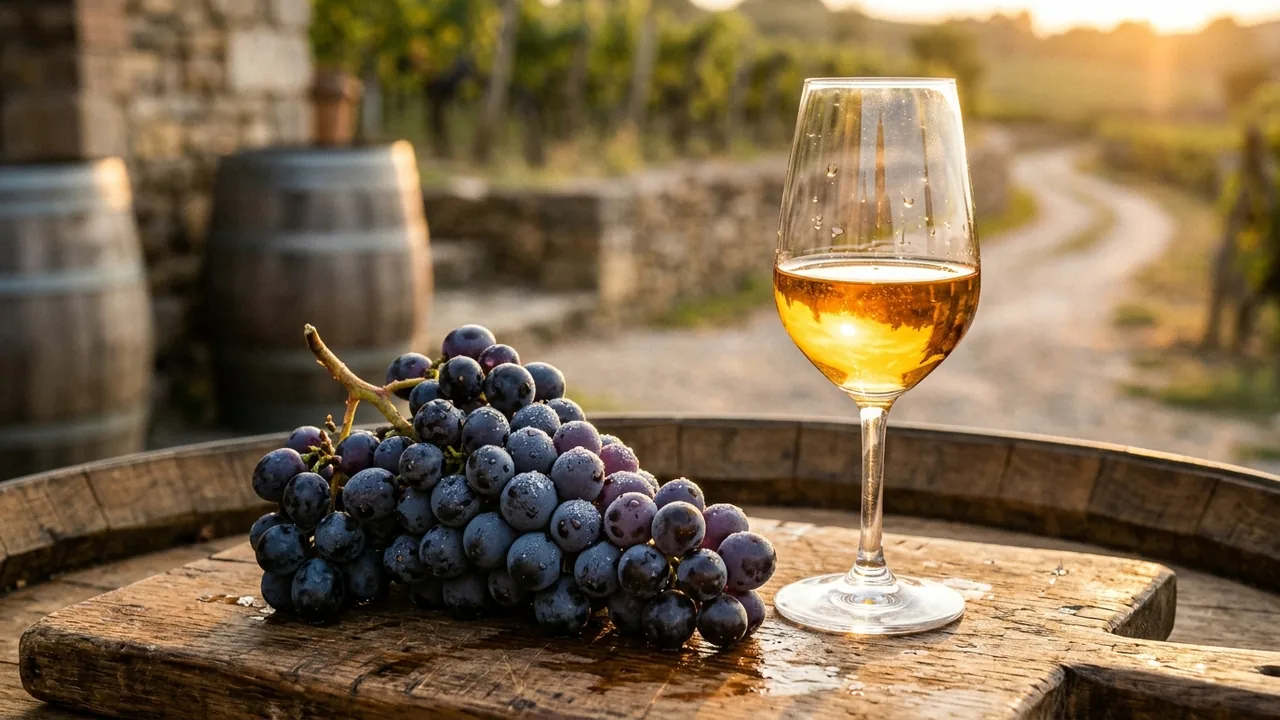
During vinification, yeast consumes the natural sugars in grape juice and converts them into alcohol and carbon dioxide. In dry wine production, fermentation continues until almost all sugar is gone (less than 4 grams per liter). In sweet wine production, fermentation is stopped early by drastically chilling the tank or filtering out the yeast. As a result, natural fructose and glucose from the grapes remain in the wine. This remaining sugar is known as residual sugar (RS).
2. Balancing Sweetness and Acidity
High-quality sweet wine never tastes syrupy or cloying . The secret to a great bottle of sweet wine is its natural acidity . Tartaric and malic acids in the grapes act as a counterweight to the sugar, delivering a crispness on the finish that keeps every sip light and appetizing.
3. Approachable Alcohol Levels
Most popular sweet wines, especially sparkling Moscato, have relatively low alcohol levels, ranging from 5% to 8% ABV (Alcohol by Volume). For comparison, you can read our comprehensive guide on wine alcohol levels to see how ABV shapes body and mouthfeel. This lower alcohol content makes sweet wine easy to enjoy at casual gatherings without feeling heavy-headed.
Popular Sweet Wine Categories: From Crisp Moscato to Rich Sweet Red
Before choosing a bottle, it helps to know that sweet wines fall into several distinct flavor styles:
- Sweet Sparkling Wine (Moscato d’Asti and Spumante): Made from Muscat (Moscato) grapes, these wines feature fragrant white flowers, peach, and honeydew melon. They come with gentle carbonation ( frizzante ) that tingles on the palate at a low alcohol level (5.5% to 7% ABV).
- Semi-Sweet Rosé and Pink Moscato: These wines show a bright pink hue with aromas of fresh strawberry, raspberry, and rose petals. The palate is gently sweet with refreshing red-berry acidity.
- Sweet Red Wine: An ideal choice for those who love the classic ruby color of red wine without harsh tannins. Made from ripe red grapes such as Shiraz, Merlot, or local varieties, they offer soft, sweet flavors of black cherry, plum, and fruit jam.
- Fortified Wine (Port-Style Wine): Sweet wine fortified with brandy or neutral grape spirit during fermentation. These bottles carry higher alcohol (around 18% to 20% ABV) with rich flavors of caramel, raisin, sweet spice, and dark chocolate.
10 Best Sweet Wines for Beginners in Indonesia
Here is our curated list of the 10 best sweet wines officially available in the Peakwine catalog, selected for flavor popularity, guaranteed provenance, and strong reviews from wine drinkers across Indonesia:
1. Sababay Moscato d’Bali (Bali, Indonesia)
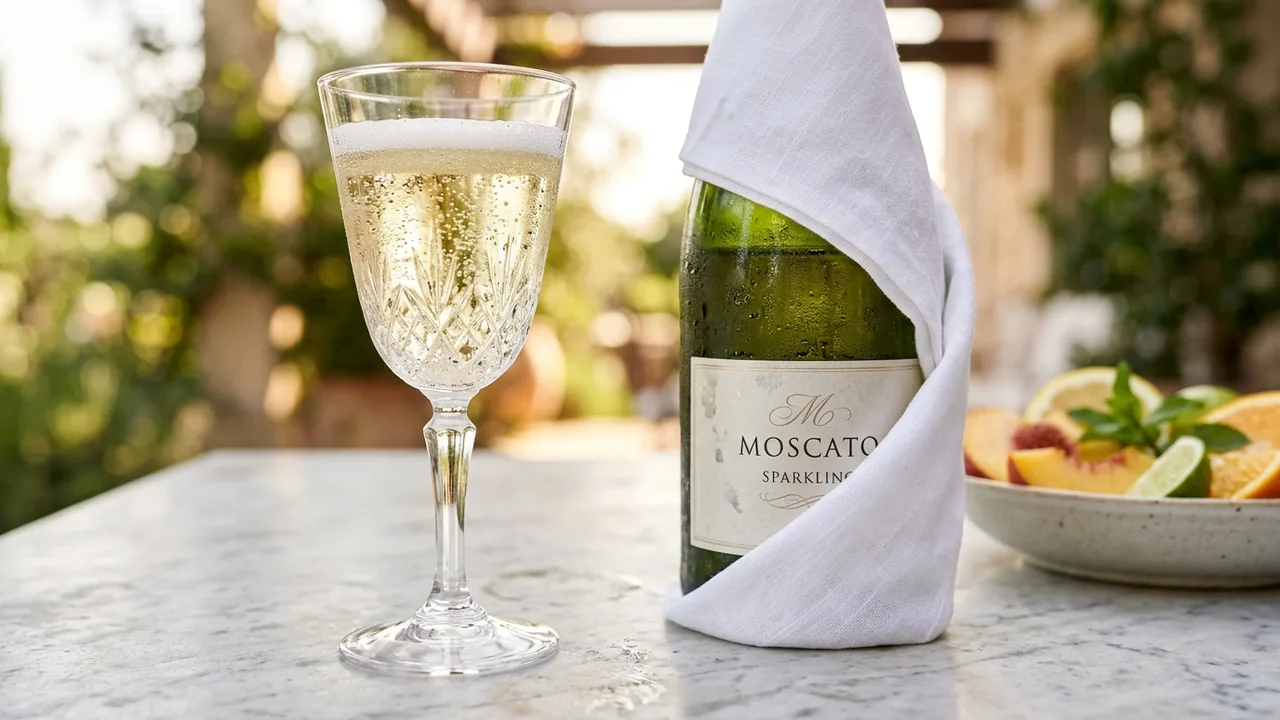
As one of Bali’s proudest local releases, Sababay Moscato d’Bali consistently ranks as Indonesia’s favorite sweet white wine. Crafted from Muscat St. Vallier grapes grown along the northern coast of Buleleng, Bali, it delivers aromas of jasmine blossom, lychee, and fresh honeydew melon.
Its semi-sparkling style brings gentle bubbles that lift the fruit freshness in every sip. It is very approachable for beginners and pairs well chilled with cream puffs, fresh fruit salad, or light seafood appetizers.
2. Lindemans Bin 90 Moscato 2025 (Australia)
From a legendary Australian producer making wine since 1843, Lindemans Bin 90 Moscato is the textbook definition of a clean, consistent New World sweet wine. The bottle uses a convenient screwcap closure, making it easy to open and store without a corkscrew.
Once poured, aromas of sweet lime, pear, and flower petals rise immediately from the glass. Natural carbonation gives it a crisp texture on the palate without any bitterness.
3. Cesare Pavese Moscato d’Asti DOCG 2022 (Piedmont, Italy)
If you want the gold standard of Italian sweet wine with Italy’s highest official classification (DOCG), Cesare Pavese Moscato d’Asti is the benchmark. Produced in the hills of Piedmont in northern Italy from 100% Moscato Bianco grapes, it delivers remarkable elegance.
Its gentle alcohol level (around 5.5% ABV) pairs with aromas of ripe apricot, citrus blossom, and wildflower honey. The fine, creamy bubbles feel soft on the palate, making it an ideal bottle for birthdays, family gatherings, or afternoon relaxation.
4. Banrock Station Pink Moscato 2022 (Australia)
Banrock Station Pink Moscato blends the natural sweetness of Moscato with a bright pink hue from a touch of red grape varieties. Its flavor profile highlights sweet, inviting summer berries.
On the palate, this wine bursts with fresh strawberry, sweet cherry, and a hint of rose floral notes. Crisp acidity keeps the sweetness clean and pleasant from the first sip to the finish.
5. Sababay Moscarosa (Bali, Indonesia)
Another standout release from Bali, Sababay Moscarosa is a sweet sparkling rosé made from a unique blend of Muscat St. Vallier and red Alfonso Lavallee grapes. It was crafted specifically for Indonesia’s warm tropical climate.
Its pink color shimmers in a flute glass, releasing fragrant aromas of rose petals and tropical red berries. Fine bubbles deliver instant refreshment for garden parties, afternoon canapés, or casual lounging.
6. Sababay Ludisia (Bali, Indonesia)
If you want to drink red wine but find standard dry reds too bitter or astringent, Sababay Ludisia is Indonesia’s top solution. Named after the forest jewel orchid, Ludisia is a naturally sweet red wine blending Alfonso Lavallee and Shiraz grapes.
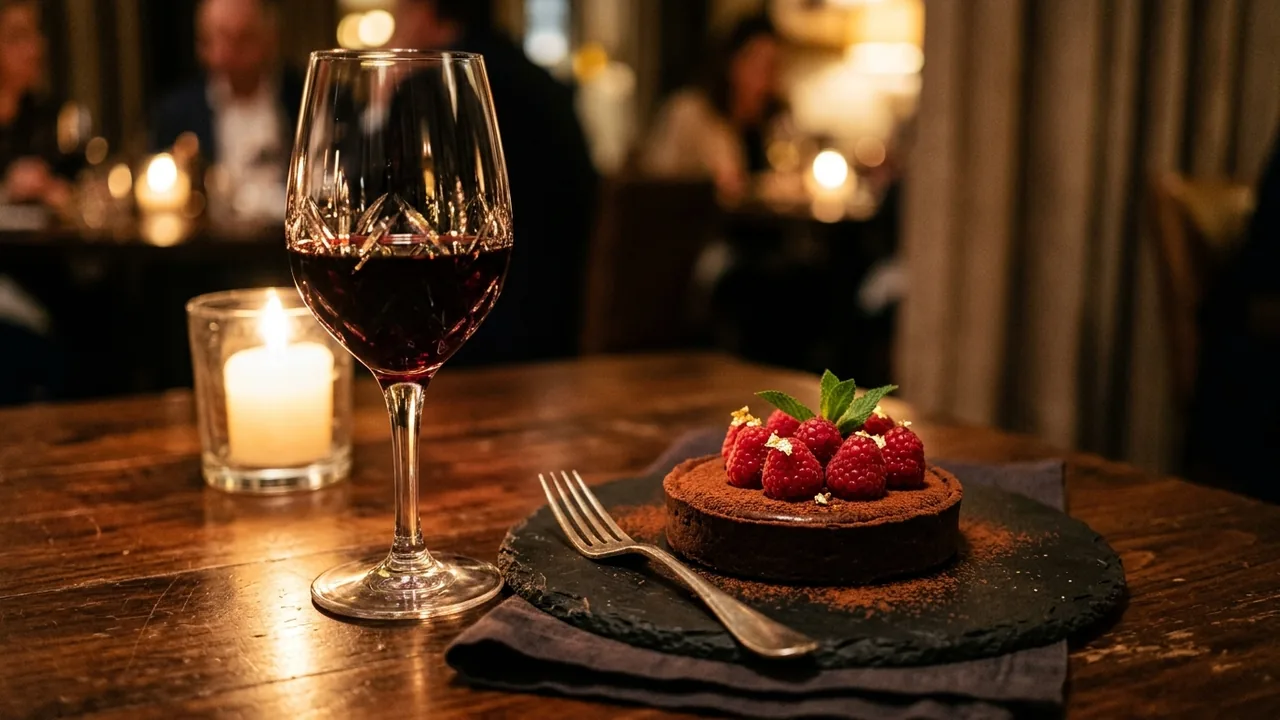
It has a smooth, rounded body with no harsh tannins. On the palate, you will taste ripe plum jam, black cherry, sweet cinnamon spice, and a hint of chocolate. Serve it slightly chilled at 12 to 14°C for the best experience.
7. Lindemans Bin 46 Sweet Red 2023 (Australia)
Lindemans Bin 46 Sweet Red is one of Australia’s most popular sweet red wines worldwide. Lindemans crafted this bottle specifically to bridge the gap between sweet fruit drinks and characterful red wine.
It shows a bright garnet color with aromas of ripe raspberry, red currant, and vanilla caramel. The texture glides smoothly without leaving a dry sensation on the tongue. It is a very safe choice for anyone trying red wine for the first time.
8. J.P. Chenet Delicious Medium Sweet Red 2023 (France)
Known for its iconic tilted-neck bottle, J.P. Chenet Delicious Medium Sweet Red hails from the Pays d’Oc region in southern France. This French red wine blends Grenache and Carignan varietals shaped by the Mediterranean sun.
Unlike sweeter wines dominated by sugar, this Medium Sweet Red delivers a harmonious balance: sweet cherry and blueberry fruit paired with gentle French spice. It is a smart step up for anyone moving from sweet wine toward a slightly more structured profile.
9. Carlo Rossi Sweet Red (California, United States)
Carlo Rossi Sweet Red is an American casual wine staple known for its wallet-friendly price and easygoing character in any relaxed setting. Produced by Gallo Winery in California, this bottle is built for pure convenience and comfort.
It tastes like fresh red grape juice layered with dark berry depth and a subtle citrus lift. Clean acidity on the finish keeps it from feeling syrupy on the palate, making it an easy match for pizza, burgers, or a pour over ice on warm afternoons.
10. Sababay Mascetti Port Style 2018 (Bali, Indonesia)
Closing our selection, Sababay Mascetti Port Style represents the top tier of sweet fortified wine in Indonesia. Made through fortification with select grape spirit and extended aging in oak barrels for years, Mascetti offers rich, layered complexity.
At 19% ABV, this wine delivers a dense, velvety texture with deep sweetness from dried figs, black raisins, caramel, and mocha chocolate. Rather than drinking it in large pours, sip it slowly as an after-dinner digestif, alongside dark chocolate brownies, or with a fine cigar.
Sweet Wine Selection Guide by Occasion and Flavor Profile
To help you pick the bottle that best fits your palate and occasion, here is a complete comparison table of all ten recommendations above:
| Wine Bottle | Country of Origin | Style Category | ABV | Sweetness Level | Best Food Pairings |
|---|---|---|---|---|---|
| Sababay Moscato d’Bali | Indonesia | Sparkling White | 10.5% | 4 of 5 (Crisp Sweet) | Pickled fruit salad, cream puffs, shrimp canapes |
| Lindemans Bin 90 Moscato | Australia | White Frizzante | 8.0% | 4.5 of 5 (Very Sweet) | Fresh cut fruit, fruit salad, apple pie |
| Cesare Pavese Moscato d’Asti | Italy | Sparkling DOCG | 5.5% | 5 of 5 (Lush Honey) | Tiramisu, panna cotta, fruit tarts |
| Banrock Station Pink Moscato | Australia | Rosé Sparkling | 6.0% | 4 of 5 (Sweet Berry) | Strawberry shortcake, sweet dim sum, savory crisps |
| Sababay Moscarosa | Indonesia | Sparkling Rosé | 11.0% | 4 of 5 (Floral Sweet) | Honey-glazed grilled chicken, crab salad, soft cheeses |
| Sababay Ludisia | Indonesia | Sweet Red | 12.0% | 4 of 5 (Round Sweet) | Chicken sate with peanut sauce, sweet stuffed pancakes |
| Lindemans Bin 46 Sweet Red | Australia | Sweet Red | 10.5% | 4 of 5 (Soft Fruit) | Sweet barbecue ribs, meat-lovers pizza |
| J.P. Chenet Delicious Sweet Red | France | Medium Sweet Red | 11.5% | 3.5 of 5 (Medium Sweet) | Cheddar cheese, pasta with sweet tomato sauce |
| Carlo Rossi Sweet Red | United States | Casual Sweet Red | 9.0% | 4 of 5 (Fresh Fruit Juice) | Beef burgers, cheese nachos, French fries |
| Sababay Mascetti Port Style | Indonesia | Fortified Red | 19.0% | 5 of 5 (Rich Caramel) | Dark chocolate lava cake, blue cheese |
How to Serve Sweet Wine for Maximum Freshness Without Feeling Cloying
Even the best bottle of sweet wine can fall flat if served at the wrong temperature. Follow these sommelier golden rules when serving sweet wine at home:
1. Serving Temperature Is Key
Sweet wine must be served chilled. Cold temperatures sharpen the grape’s natural acidity and keep sugar perception in check on the palate. If sweet wine is poured at tropical room temperature (26 to 30 degrees Celsius), the sweetness tastes heavy, syrupy, and quickly cloying. Read our complete guide on proper wine serving temperatures for other wine categories:
- Sweet White and Moscato Sparkling: Chill to 6 to 8 degrees Celsius (refrigerate for at least 3 hours before serving).
- Sweet Red Wine (Ludisia, Lindemans Bin 46): Chill lightly to 12 to 14 degrees Celsius (place in the refrigerator for 30 to 45 minutes before pouring).
- Fortified Port Style Wine: Serve at 16 to 18 degrees Celsius in small pours (around 75 to 90 ml per serving).
2. Choose the Right Glassware
For Moscato and Sparkling Rosé, use a slender stemmed glass ( flute glass ) or a standard white wine glass so carbonation and floral aromas last longer. Always hold the glass by the stem , not the bowl, so the warmth of your hand does not heat the wine inside.
3. How to Store an Opened Bottle
If you do not finish a bottle in one sitting, reseal it right away with its cork or screw cap and store it upright in the refrigerator. According to our guide on how to store wine in the fridge , sweet sparkling wine is best finished within 1 to 2 days before the bubbles fade, while sweet red wine and fortified wine retain their quality for 5 to 28 days thanks to their natural sugar and alcohol acting as organic preservatives.
Frequently Asked Questions About Sweet Wine (FAQ)
Not in quality wines meeting international standards. The sweetness in authentic wine comes from residual sugar, which is the natural fructose and glucose of the grape that is not converted into alcohol during fermentation. The winemaker halts fermentation with rapid chilling before the yeast consumes all the grape sugar.
Most sweet white wines and sparkling Moscato actually have much lower alcohol levels (between 5% and 8% ABV) than standard dry red wines (13% to 15% ABV). However, because they taste sweet, crisp, and free of alcoholic bitterness, beginners often drink them faster without realizing it. Always enjoy wine responsibly.
For sweet white wines and sparkling Moscato, the best window is 1 to 2 days tightly sealed in the refrigerator before the bubbles fade. For sweet red wines like Sababay Ludisia, the wine lasts 3 to 5 days in the refrigerator. Specifically for fortified port-style wines like Sababay Mascetti, the bottle can last up to 3 to 4 weeks because its higher alcohol content protects the wine from rapid oxidation.
You can explore all of the options above directly through the official catalog of the Peakwine wine collection with a 100% authenticity guarantee, temperature-controlled storage, and fast delivery options across Indonesia. You can also visit your nearest Peakwine outlet in Jakarta and Bandung to consult directly with our sommelier team.
Find Your Favorite Sweet Wine at Peakwine
From the light crispness of sparkling Moscato to the smoothness of sweet red wine without astringency, every bottle is guaranteed authentic with optimal temperature-controlled storage. Enjoy safe and fast delivery across Indonesia.
Shop Sweet Wines Now
Explore Curated Selections for Your Cellar
Authentic wines, spirits, and sake personally curated by our sommelier team with verified provenance and climate-controlled delivery.
Wine Guide Collection
Over 1,300+ red, white, and sparkling wines from acclaimed global producers.
Explore Wine Catalog → Premium SpiritsWhisky, Gin, and Vodka
Rare single malts, blended Scotch, artisan gin, and 100% agave tequila.
Explore Spirits Catalog → Cold-Chain GuaranteedSake and Asian Drinks
Authentic Japanese Daiginjo, Ginjo, Junmai sake and chilled Korean soju.
Explore Sake Collection → Instant Delivery22+ Official Outlets
Find the nearest Peakwine cellar outlet in Bandung and Jakarta for direct pickup.
Find Store Locations →


 By Wine Style
 Red Wine
 White Wine
 Sparkling Wine & Champagne
 Rosé Wine
 Dessert & Sweet Wine
 Fortified & Port Wine
 By Grape Variety
 Cabernet Sauvignon
 Shiraz
 Chardonnay
 Merlot
 Sauvignon Blanc
 Pinot Noir
 Tempranillo
 Sangiovese
 Malbec
 Grenache
 Semillon
 Primitivo
 Moscato
 Carmenere
 Riesling
 Pinot Grigio
 By Country & Region
 Australia
 France
 Chile
 Indonesia
 Italy
 Argentina
 Spain
 United States
 Portugal
 South Africa
 New Zealand
 Japan
 Germany
 By Taste & Sweetness
 Full-Bodied Wine
 Medium-Bodied Wine
 Light-Bodied Wine
 Sweet & Fruity Wine
 Dry Wine
 Curated Collections
 Best Sellers
 Everyday Value (< 500k)
 Reserve & Cellar

 Whisky & Whiskey
 Single Malt Scotch
 Blended Scotch
 Bourbon & Tennessee
 Japanese Whisky
 Irish Whiskey
 Gin
 London Dry Gin
 Dry Gin
 Tequila & Mezcal
 Vodka
 Premium & Craft Vodka
 Indonesian Vodka
 Rum
 White Rum
 Dark Rum
 Brandy Cognac
 Armagnac
 Liqueur
 Traditional Spirit


