

How to Calculate Wine for Weddings and Private Parties: The Bottle-per-Guest Formula


📖 Table of Contents ▼
To calculate wine needs for events and weddings in Indonesia, start with the baseline that one standard 750 ml bottle yields 5 dinner pours (150 ml) or 6 slim toast pours (125 ml). Average consumption for active drinkers is about 1 glass per hour after the first hour, which typically absorbs 2 glasses. By multiplying active drinkers by event duration, dividing by five, and adding a 10 percent buffer, you get a precise bottle count without running dry mid-reception or overspending.
Many engaged couples, corporate gathering hosts, and intimate dinner organizers hesitate when ordering wine in bulk. Ordering too few bottles risks an empty bar before the main toast, while over-ordering without factoring in guest demographics wastes catering budget. This guide to calculating wine for events is built by the Peakwine sommelier team so you can plan accurately from a 20-guest private dinner to a 500-person reception.
- Standard 750 ml Bottle Conversion: Yields 5 dinner glasses (150 ml per pour) or 6 sparkling wedding toast pours (125 ml per flute).
- Indonesian Guest Profile Adjustment: Do not assume 100 percent of guests drink alcohol; apply an active-drinker ratio of 35 percent to 60 percent based on your guest list.
- Hourly Pacing Formula: Allocate 2 glasses in the first hour of the reception and 1 glass for each additional hour per active drinker, plus a 10 percent safety buffer.
- Ideal Three-Session Split: Divide total orders into roughly 25 percent sparkling wine for toasts, 30 to 35 percent chilled white or rosé for starters, and 40 to 45 percent red wine for main courses.
- Case Rounding: Round final totals to 6-bottle or 12-bottle cases for smoother delivery, chilling, and procurement.
Why Western Formulas Often Miss the Mark at Indonesian Weddings
If you use party drink calculators on US or European websites, nearly all assume 85 to 100 percent of adult guests will drink wine all night. Applying that benchmark directly in Jakarta, Bandung, Bali, or Surabaya almost always leaves dozens of unopened cases in storage after the party.
Wedding receptions and corporate banquets in Indonesia bring together a wider mix of guests. Many attendees arrive with parents, multi-generational relatives, or colleagues who prefer non-alcoholic options like fresh juice, iced jasmine tea, and sparkling water. Adjusting for the active-drinker ratio is the essential first step before setting your bottle count.
- Traditional Weddings or Large Ballrooms (30% to 40% Active Drinkers): When the guest list leans toward parents’ business associates and extended family circulating through a brief standing buffet, calculate roughly one-third to 40 percent of adult attendees.
- Modern Evening Receptions or Bali Destination Weddings (55% to 75% Active Drinkers): Intimate dining events at beach resorts or villas with guests mostly aged 25 to 45 see much higher wine consumption throughout the night.
- Private Parties, Curated Gatherings, or Community Dinners (70% to 90% Active Drinkers): In smaller gatherings designed around conversation and fine food, nearly every guest will enjoy at least two to three glasses over the evening.
Standard Bottle Volume Conversion: How Many Glasses and Milliliters?
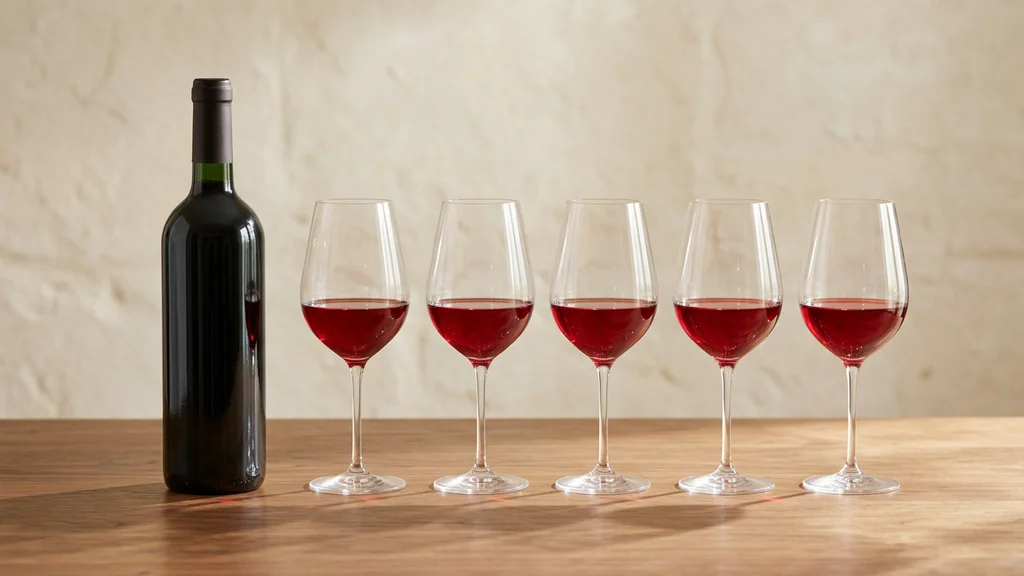
Before applying guest-count formulas, understand the baseline units used by professional bartenders and servers. Most bottles sold in retail and hospitality use the standard 750 ml format . How many glasses you get from one bottle depends on the standard pour size and the glassware provided. To match the right glass shape to each category, read our guide on wine glass types and names by wine style .
- Standard 150 ml Dinner Pour (5 Glasses per Bottle): Applies to white wine, rosé, and red wine at seated tables or by-the-glass bar service. A 150 ml pour leaves enough headspace in the bowl for aromas to open.
- 125 ml Wedding Toast Flute Pour (6 Glasses per Bottle): Used for synchronized toasts or sparkling wine towers. Because champagne flutes are narrow, filling three-quarters full equals 120 to 125 ml, dividing one bottle cleanly among six guests.
- 120 ml Casual Cocktail or Grazing Bar Pour (Up to 6 Glasses per Bottle): Ideal for long standing receptions or multi-course tasting menus so guests can sample several varietals without palate fatigue.
- 1.5 Liter Magnum Bottle (10 to 12 Glasses): Often displayed on VIP tables or the couple’s stage as a celebratory centerpiece because it holds twice the volume of a standard 750 ml bottle.
Bar Supervisor Tip: Brief catering staff before doors open to fill glasses only one-third up the bowl, never to the rim. Heavy 220 ml pours drain a bottle in three glasses and throw off your entire stock plan.
Core Formula for Calculating Wedding and Private Party Wine
Event planners and banquet sommeliers use four straightforward steps to turn a guest list into an accurate bottle order. This formula works for both two-hour mixers and four-hour evening receptions.
- Step 1, Determine Active Drinkers (Ta): Multiply Total Guests (T) by Active Drinker Percentage (R). Example: for 200 evening reception guests at a 50 percent ratio, your Active Drinkers total 100 people.
- Step 2, Calculate Total Glasses by Duration (G): Apply the pacing rule of 2 glasses in the first hour plus 1 glass per additional hour. For a 3-hour event, each active drinker averages 4 glasses (2 + 1 + 1), meaning 100 active guests need 400 glasses total.
- Step 3, Convert Glasses to Bottles and Add a 10% Buffer: Divide total glasses by 5 for red, white, or rosé (or by 6 for toasts). Dividing 400 glasses by 5 gives 80 base bottles; add a 10 percent safety margin (+8 bottles) for 88 bottles to cover VIP refills and spillage.
- Step 4, Round to Case Quantities (6 or 12 Bottles): Round 88 bottles up to 90 bottles (15 cases of 6, or 7.5 cases of 12). Rounding up simplifies venue storage and post-event empty-bottle counts.
Case Study 1: 200-Guest Evening Wedding Reception (3 Hours)
A semi-formal dinner reception hosts 200 guests with 50 percent active drinkers (100 people) and includes one group wedding toast for all guests before dinner service. Here is the breakdown:
- Simultaneous Toast (All 200 Guests): 1 flute per guest = 200 glasses. Divided by 6 glasses per bottle = 33.3 bottles, rounded safely to 36 bottles (3 cases of 12) of sparkling wine or prosecco.
- Dinner and Mingling (100 Active Drinkers x 3 Hours): Since everyone already received a toast glass, active drinkers need about 2.5 additional glasses during dinner = 250 glasses. Divided by 5 glasses per bottle = 50 bottles of still wine, plus a 10 percent buffer for 55 bottles.
- 55 Still Wine Bottle Split: Allocate about 22 bottles of chilled white wine or rosé for starters and seafood, and 33 bottles of red wine for roasted meat main courses.
- Event Grand Total: 36 bottles of sparkling toast plus 55 bottles of white, rosé, and red wine equals 91 bottles (roughly 8 standard 12-bottle cases).
Case Study 2: Intimate Villa or Lounge Private Party (40 Guests, 4 Hours)
At an intimate private party or milestone birthday in a VIP lounge, guests linger much longer. Assuming 75 percent active drinkers (30 people) over 4 hours (5 glasses per person = 150 glasses), dividing by 5 yields 30 bottles. Adding a 15 percent buffer for faster refills puts the safest target at 35 to 36 bottles (3 cases of 12) . For event styling ideas, see our guide to planning an elegant private wine party .
Wine Estimation Matrix by Guest Count
The table below summarizes projected bottle counts at a typical Indonesian active-drinker rate (50 percent for standard receptions). If your event hosts mostly expats or wine enthusiasts, shift one guest tier higher.
| Guest Scale | Estimated Active Drinkers (50%) | Toast Only (1 Glass per Guest) | Standing Cocktail (2 Hours) | Dinner Reception (3 to 4 Hours) | Recommended Safe Case Rounding |
|---|---|---|---|---|---|
| 30 Guests (Intimate Dinner) | 15 to 22 Drinkers | 5 Bottles Sparkling | 10 Bottles Mixed | 16 to 20 Bottles | 18 to 24 Bottles (2 Cases) |
| 50 Guests (Private Party) | 25 to 35 Drinkers | 9 Bottles Sparkling | 18 Bottles Mixed | 28 to 34 Bottles | 36 Bottles (3 Cases of 12) |
| 100 Guests (Small Reception) | 50 Active Drinkers | 17 Bottles Sparkling | 30 Bottles Mixed | 50 to 58 Bottles | 60 Bottles (5 Cases of 12) |
| 150 Guests (Standard Wedding) | 75 Active Drinkers | 25 Bottles Sparkling | 45 Bottles Mixed | 72 to 84 Bottles | 84 to 90 Bottles (7 Cases) |
| 250 Guests (Grand Ballroom) | 125 Active Drinkers | 42 Bottles Sparkling | 75 Bottles Mixed | 115 to 135 Bottles | 132 to 144 Bottles (12 Cases) |
| 500 Guests (Grand Gala) | 250 Active Drinkers | 84 Bottles Sparkling | 150 Bottles Mixed | 225 to 260 Bottles | 264 to 276 Bottles (22 Cases) |
Splitting Wine Styles: Sparkling, White, Rosé, and Red
Calculating total bottles is not enough if your entire order consists of one heavy style. Guests in tropical climates have varied preferences depending on the time of day and catering menu. Make sure your selection aligns with our guide on choosing the right wine for every occasion .
- Formal Indoor Evening Reception (25% Sparkling, 30% White or Rosé, 45% Red Wine): Air-conditioned ballrooms suit medium- to full-bodied red wines alongside roast beef, rack of lamb, or rich dark-sauce dishes.
- Garden Party or Outdoor Daytime Reception (35% Sparkling, 45% White or Rosé, 20% Red Wine): Warm afternoon weather pushes guests toward crisp chilled white wine, light rosé, and off-dry sparkling wine rather than heavy tannic reds.
- Standing Cocktail and Corporate Networking (40% Sparkling, 35% White or Rosé, 25% Red Wine): Without heavy seated entrees, bright and approachable wines keep guests comfortable while mingling over canapes.
Calculating Sparkling Wine for Wedding Toasts and Champagne Towers
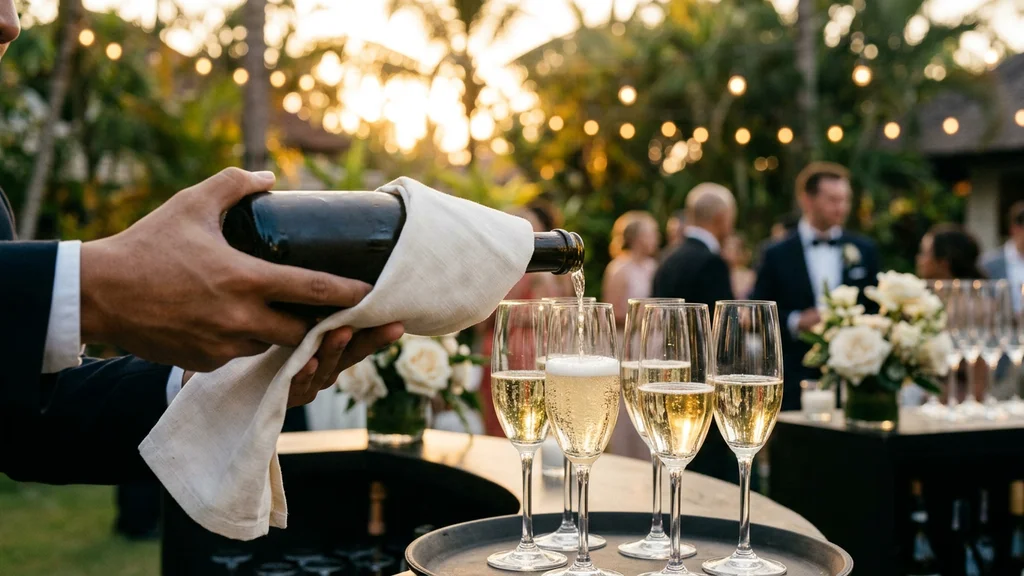
Two moments most often throw off wedding wine math: the mass toast and the champagne tower . To save budget without sacrificing presentation, learn the difference between French Champagne and other sparkling wines . You can also review our guide to official wine prices in Indonesia before locking in your centerpiece bottles.
- Two-Tier Savings Rule (VIP vs. General Guests): For hundreds of guests, you do not need to pour French Champagne priced above Rp 1.4 million per bottle for the entire room. Reserve 20 percent true Champagne AOP for the couple’s table, parents, and VVIPs, while serving quality Sparkling Brut or Moscato to general guests at a third of the cost.
- 3-Tier Tower (9 + 4 + 1 = 14 Coupe Glasses): At an average 110 ml per coupe, a 3-tier tower requires 3 bottles (2 base bottles plus 1 buffer bottle for pouring overflow).
- 4-Tier Tower (16 + 9 + 4 + 1 = 30 Coupe Glasses): Requires 5 base bottles plus 1 buffer bottle (6 bottles total) so bubbles cascade evenly to the bottom tier.
- 5-Tier Tower (25 + 16 + 9 + 4 + 1 = 55 Coupe Glasses): Prepare 9 to 10 bottles chilled to 6 degrees Celsius so carbonation holds steady while photographers capture the pour.
6 Peakwine Curated Wines for Weddings and Private Events
All six bottles below are stocked in the official Peakwine catalog and selected by our sommeliers for Indonesian guest palates, catering versatility, and per-glass cost efficiency:
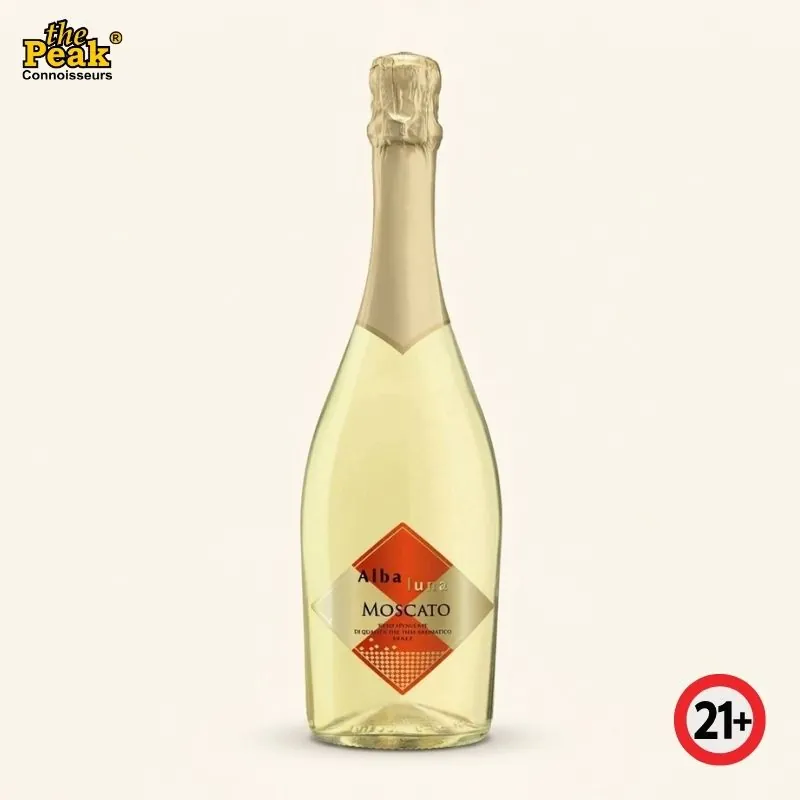
Alba Luna Moscato Sparkling Italy 750ml
A low-alcohol sweet sparkling wine (7% ABV) with peach and white blossom aromas that appeals immediately to most Indonesian reception guests, including beginners. One bottle yields 6 toast pours (125 ml) with minimal unfinished glasses.
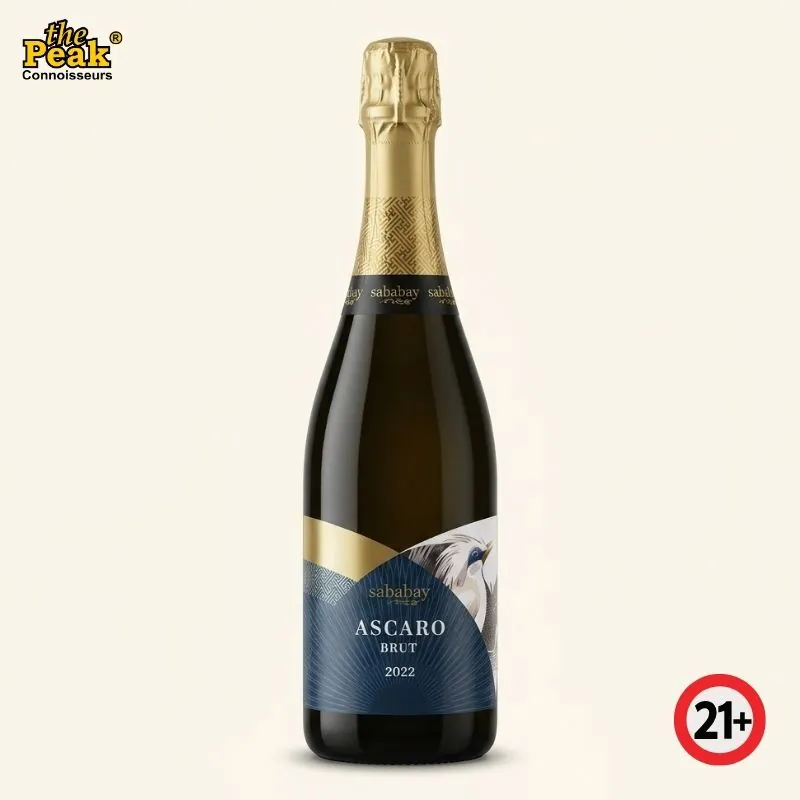
Sababay Ascaro Brut 2024 Indonesia 750ml
A crisp, economical dry sparkling option for cocktail hours and standing receptions over 100 guests without straining your budget. Ideal as a welcome drink and dry toast at 6 glasses per bottle.
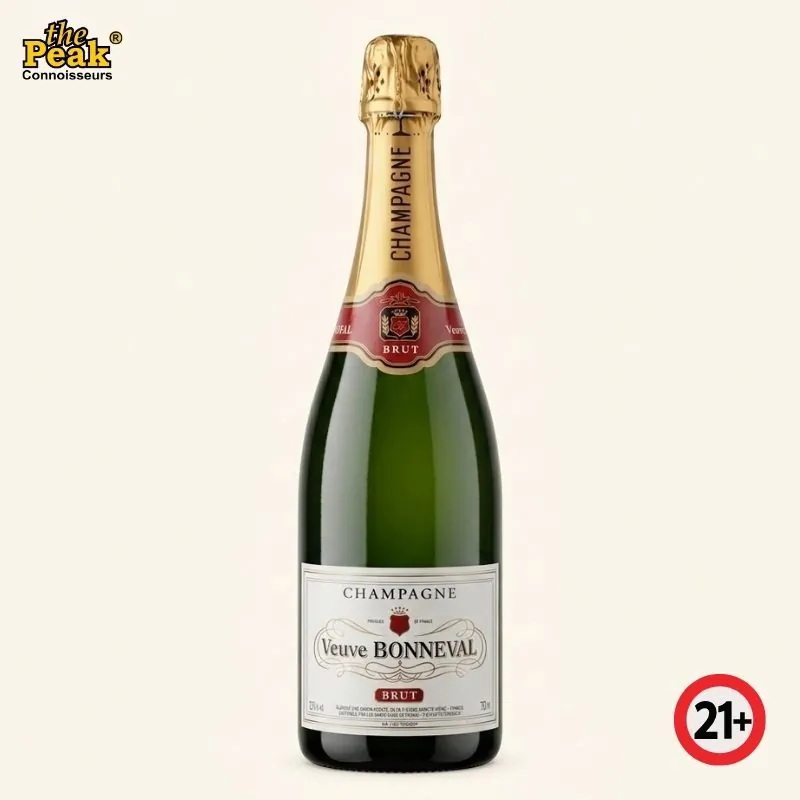
Veuve Bonneval Champagne Brut AOP White NV France 750ml
Official French AOP Champagne for the couple’s stage toast, VIP corporate tables, or formal champagne towers. Budget tip: reserve 20% for VIPs while serving Sparkling Brut or Moscato to general guests.
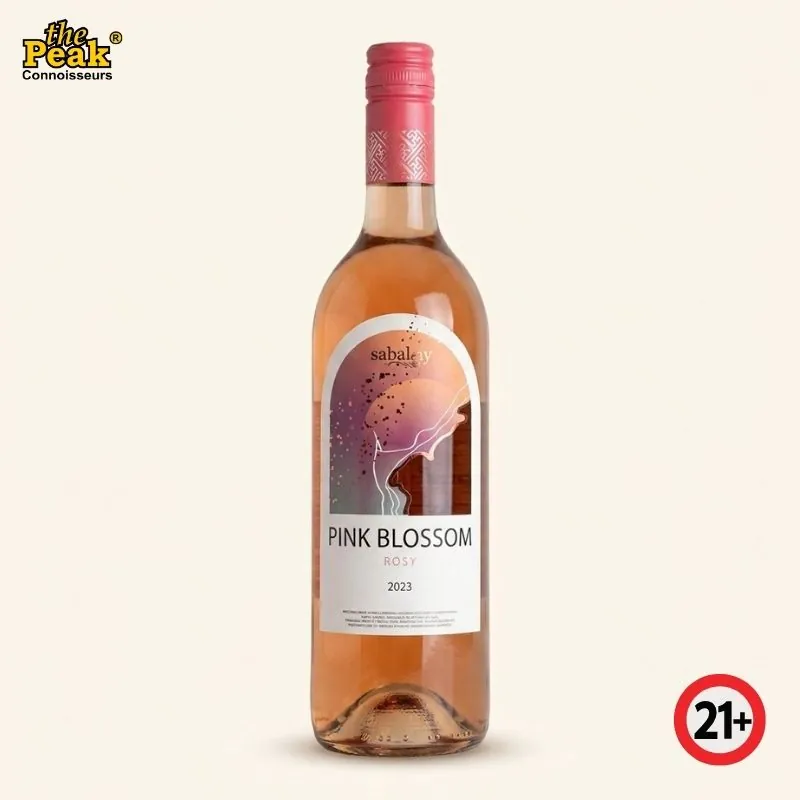
Sababay Pink Blossom Rose Series 2025 Indonesia 750ml
A pale pink Rosé with fresh strawberry notes and a touch of off-dry sweetness, ideal for bridal showers, garden parties, and afternoon events in a tropical climate. Each bottle yields 5 standard 150 ml pours and should be served chilled at 8-10°C.
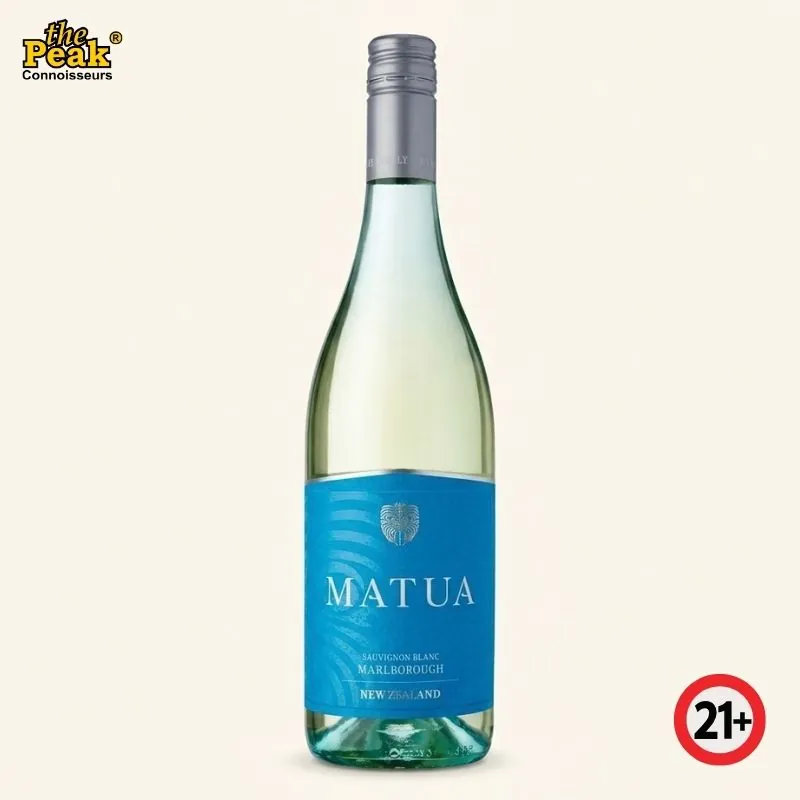
Matua Malborough Sauvignon Blanc 2022 New Zealand 750ml
A white wine with aromas of grapefruit, passion fruit, and fresh herbs, backed by crisp acidity that pairs well with appetizers, salads, and seafood. It typically accounts for 25% to 35% of the table wine allocation at daytime or semi-outdoor receptions.
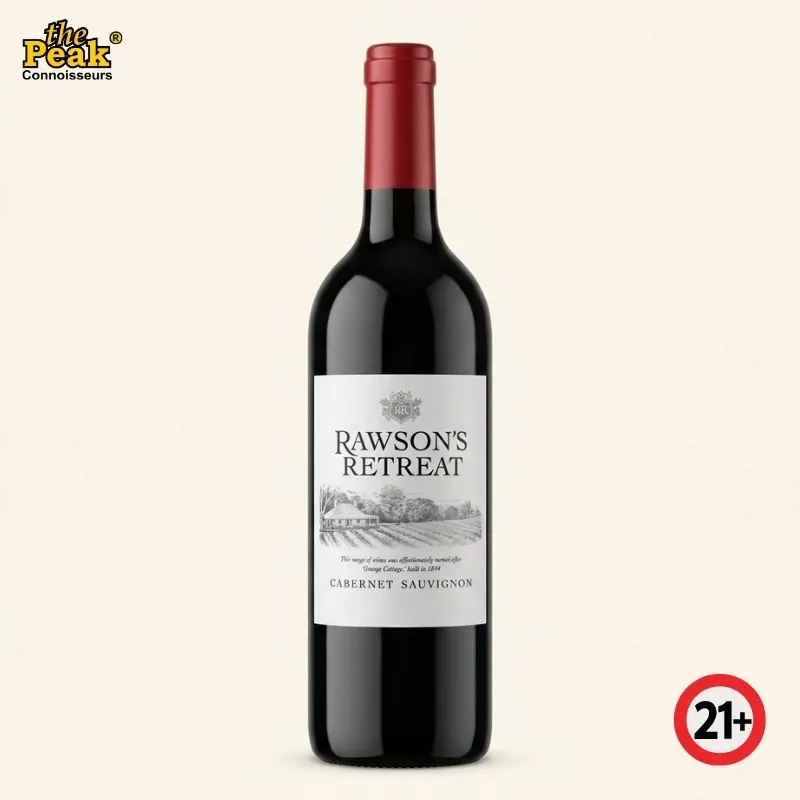
Penfolds Rawsons Retreat Cabernet Sauvignon 2025 Australia 750ml
A modern-style Cabernet Sauvignon with supple dark berry fruit and approachable tannins, suited to both seasoned wine drinkers and casual guests during a meat main course. At 5 glasses per bottle (150 ml), it absorbs roughly 35% to 50% of the total bottles at a formal dinner reception.
Note on Bulk Procurement and Bar Service: Peakwine fulfills everything from single-bottle orders to official event procurement transparently from our temperature-controlled warehouse stock. For bulk quotations for wedding organizers, hotels, or corporate events, contact our Peakwine partnership and bulk procurement program . If you need full-service support such as sommelier-trained servers, pop-up bar setups, and glassware rentals, visit our Peakwine private party services page.
Tropical Venue Logistics: Glassware, Ice Buckets, Corkage Fees, and Leftover Handling
Accurate bottle math on paper can still fall short if on-site operational details are overlooked. The warm, humid conditions at most indoor halls and garden venues in Indonesia require disciplined chilling plans and glassware management.
- Backup Glassware Ratio (1.5x to 2x Active Drinkers): If your caterer does not have a dedicated dishwashing station behind the bar, prepare at least 1.5 to 2 times the number of active drinkers, as guests frequently set glasses down when mingling or switching wine styles.
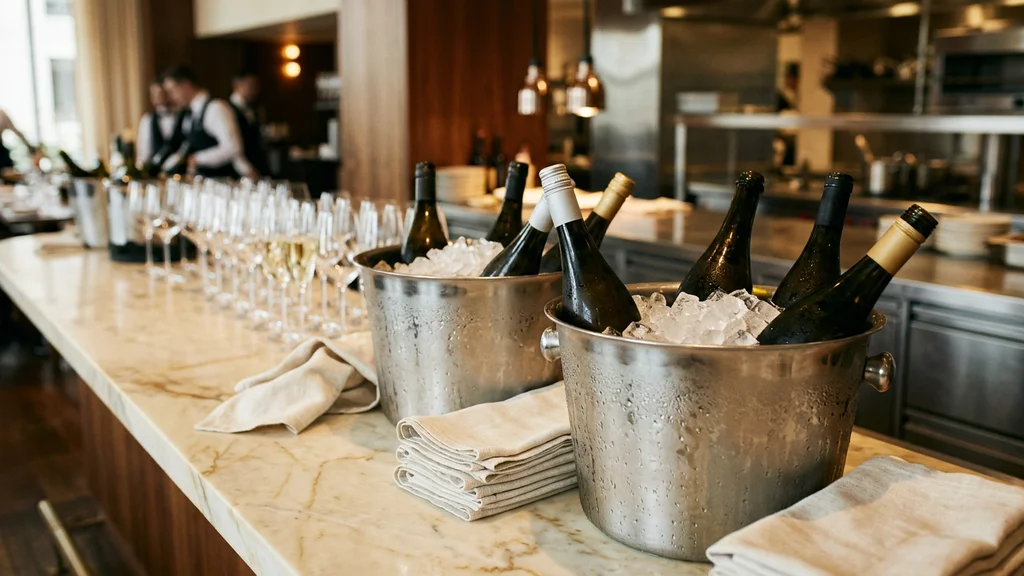
- Ice Formula for Tropical Climates: Plan on an average of 1 kg of ice per bottle of sparkling or white wine over a 3-hour event, using ice buckets filled with half ice and half cold water. Check the exact target temperature for each style in our guide to ideal wine serving temperatures .
- Hotel and Venue Corkage Fee Strategy: Negotiate corkage clauses before signing your venue contract. Hotels are often willing to waive part of the corkage fee if the host purchases a main catering package or meets a minimum spend on non-alcoholic beverages from the hotel.
- Handling Leftover Bottles After the Event: Unopened, sealed bottles remain in prime condition if stored upright or on their side in a cool place away from direct sunlight for future family gatherings, or they can be wrapped as VIP thank-you gifts following our professional wine gifting guide . For opened bottles with more than half remaining, seal them tightly with a vacuum pump stopper and store them upright in the refrigerator for up to 3 days.
Event Wine Procurement Checklist: 30 Days Out to Event Day
To keep coordination with your wedding organizer and bar captain smooth on the day of the event, follow this timeline while aligning your service style with the ideas in our article on refined and memorable wine party concepts .
- 30 to 21 Days Out (Finalize Ratios and Corkage): Lock in your estimated RSVP count, finalize corkage negotiations with the venue, and confirm the split between sparkling, white, rosé, and red wine based on your food menu.
- 14 to 10 Days Out (Place Stock Order and Buffer): Submit your final order including a 10 percent safety buffer so the distribution team has enough lead time to prepare packaging and maintain the cold chain.
- 3 Days Out (Controlled Delivery to Venue or Cool Storage): Deliver cases to a secure, air-conditioned room, verify the physical bottle count against the delivery note, and avoid stacking cases near kitchen doors or heat-generating equipment.
- 1 Day Out to Event Start (Scheduled Pre-Chilling): Place sparkling wine, white wine, and rosé into refrigerators or ice baths at least 4 hours before the first guest arrives, and set aside dedicated bottles for VIP tables and the champagne tower so they are not poured during welcome drinks.
Frequently Asked Questions About Calculating Event Wine (FAQ)
One standard 750 ml bottle yields 5 glasses for dinner pours (150 ml per glass) and 6 glasses for a wedding toast using flutes (125 ml per glass). If servers pour smaller 120 ml portions during a casual cocktail hour, one bottle can stretch to 6 glasses on average.
Assuming a 50 percent active drinker ratio in Indonesia (50 drinking guests) over a 3-hour reception, you will need roughly 20 to 25 bottles of wine for the main service (2.5 to 3 glasses per active drinker), plus 9 bottles of sparkling wine dedicated to a toast if all 100 guests receive one welcome glass.
No. Unlike Western F&B guides that assume 80 to 100 percent of guests drink wine, weddings and corporate gatherings in Indonesia typically see an active drinker ratio between 35 and 60 percent, depending on the family and guest profile. Applying a drinker-ratio adjustment prevents overspending on excess stock.
For a classic dinner reception, sommeliers generally use a split of 20 to 25 percent sparkling wine (for welcome drinks and toasts), 30 to 35 percent chilled white wine or rosé for appetizers, and 40 to 45 percent red wine for meat main courses and evening dining.
Prepare at least 1.5 to 2 times the number of active drinkers if there is no rapid glass-washing station at the venue, or at least 1 glass per guest if the event only holds a single simultaneous toast. Having backup glasses keeps flavors clean when guests switch from white wine to red wine.
Use ice buckets or large cooling tubs filled with half ice and half cold water so the cold surface contacts the entire bottle evenly. For tropical venues, plan on roughly 1 kg of ice per bottle of white or sparkling wine over a 3-hour event.
Conclusion: Planning a Refined Reception with Sound Math
The key to calculating wine for an event is not guessing numbers at random, but combining the standard 5-to-6-glass bottle conversion with your active drinker profile in Indonesia, event duration, and the right split across toasts, welcome drinks, and dinner service. With disciplined ratios and a 10 percent buffer, every guest can raise a glass to celebrate with you without the risk of running dry.
If you are planning an upcoming private event and want support with wine list curation, budgeting, or on-site professional bartenders, the Peakwine team is ready to assist through our Peakwine private party and event sommelier services page. For bulk procurement with wedding organizers or hotels, explore our Peakwine partnership program , or build your foundational knowledge with our complete wine guide for beginners and enthusiasts .
The information and alcohol product recommendations in this guide are intended strictly for readers aged 21 and older in accordance with Indonesian regulations. Please celebrate and enjoy wine responsibly.
Explore Curated Selections for Your Cellar
Authentic wines, spirits, and sake personally curated by our sommelier team with verified provenance and climate-controlled delivery.
Wine Guide Collection
Over 1,300+ red, white, and sparkling wines from acclaimed global producers.
Explore Wine Catalog → Premium SpiritsWhisky, Gin, and Vodka
Rare single malts, blended Scotch, artisan gin, and 100% agave tequila.
Explore Spirits Catalog → Cold-Chain GuaranteedSake and Asian Drinks
Authentic Japanese Daiginjo, Ginjo, Junmai sake and chilled Korean soju.
Explore Sake Collection → Instant Delivery22+ Official Outlets
Find the nearest Peakwine cellar outlet in Bandung and Jakarta for direct pickup.
Find Store Locations →

 By Wine Style
 Red Wine
 White Wine
 Sparkling Wine & Champagne
 Rosé Wine
 Dessert & Sweet Wine
 Fortified & Port Wine
 By Grape Variety
 Cabernet Sauvignon
 Shiraz
 Chardonnay
 Merlot
 Sauvignon Blanc
 Pinot Noir
 Tempranillo
 Sangiovese
 Malbec
 Grenache
 Semillon
 Primitivo
 Moscato
 Carmenere
 Riesling
 Pinot Grigio
 By Country & Region
 Australia
 France
 Chile
 Indonesia
 Italy
 Argentina
 Spain
 United States
 Portugal
 South Africa
 New Zealand
 Japan
 Germany
 By Taste & Sweetness
 Full-Bodied Wine
 Medium-Bodied Wine
 Light-Bodied Wine
 Sweet & Fruity Wine
 Dry Wine
 Curated Collections
 Best Sellers
 Everyday Value (< 500k)
 Reserve & Cellar

 Whisky & Whiskey
 Single Malt Scotch
 Blended Scotch
 Bourbon & Tennessee
 Japanese Whisky
 Irish Whiskey
 Gin
 London Dry Gin
 Dry Gin
 Tequila & Mezcal
 Vodka
 Premium & Craft Vodka
 Indonesian Vodka
 Rum
 White Rum
 Dark Rum
 Brandy Cognac
 Armagnac
 Liqueur
 Traditional Spirit


