

Champagne, Prosecco, Cava, and Sparkling Wine: Taste, Methods, and Price Guide


📖 Table of Contents ▼
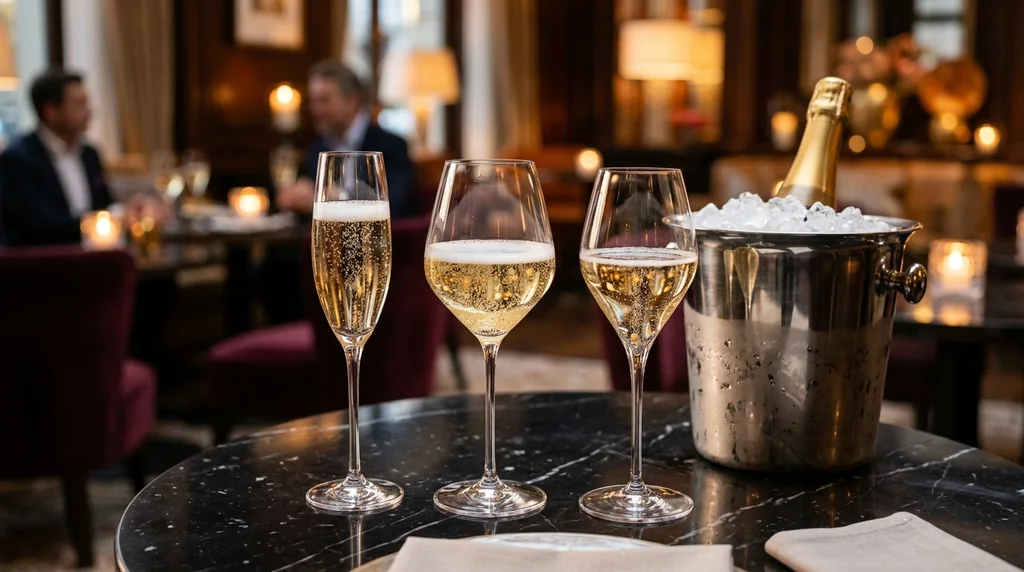
All Champagne is sparkling wine, but not all sparkling wine is Champagne. This golden rule of the sommelier world confirms that sparkling wine is an umbrella term for any naturally carbonated wine, while Champagne is a legally protected designation (Appellation d’Origine Contrôlée) reserved exclusively for sparkling wine from the Champagne region of northern France. The fundamental differences between Champagne, Prosecco, Cava, and other sparkling wines rest on three pillars: geographic origin (terroir), grape varieties, and the winemaking science of generating bubbles inside a sealed glass bottle versus a pressurized steel tank.
- Exclusive Legal Protection: Champagne is protected by strict European Union law; only wine harvested and produced in the Champagne region of France using the traditional method (Méthode Champenoise) may carry the Champagne name.
- Two Primary Winemaking Methods: Méthode Traditionnelle (secondary fermentation in the bottle with months of lees contact, yielding fine micro-bubbles and brioche aromas) versus the Charmat Method (secondary fermentation in a pressurized steel tank, locking in fresh pear and white blossom aromas from Glera grapes).
- Cava, Spain’s Answer to Champagne: Cava is produced using the exact same bottle-fermentation method as Champagne in Spain’s Penedès region, but relies on local grapes (Macabeo, Xarel-lo, Parellada) to deliver complex, textured wines at a far more accessible price.
- What Brut Means on the Label: Brut is not a brand; it is a sweetness classification indicating a dry wine with fewer than 12 grams of residual sugar per liter, contrary to the common belief that sparkling wine is always sweet like soda.
- Chilled Serving Temperature (6 to 8°C): All sparkling wines must be served thoroughly chilled to keep dissolved carbon dioxide stable in the liquid and prevent excessive foaming when uncorked.
Understanding the Umbrella Term: Is Champagne Regular Wine?
For many drinkers in Indonesia, Champagne is often viewed as a separate beverage category from wine, or even confused with sweet carbonated drinks sprayed on sports podiums. As explained in our complete wine guide for beginners , Champagne is 100 percent natural wine made from fermented grape juice.
During still wine production, yeast consumes natural grape sugars and converts them into two main byproducts: alcohol and carbon dioxide (CO2). In still wine, this CO2 escapes freely into the air during fermentation in open vats. In sparkling wine, however, winemakers deliberately trap that carbon dioxide inside a pressurized, airtight vessel, forcing the gas to dissolve into the wine.
When the cork is popped and pressure is released, the trapped CO2 transforms back into millions of fine, shimmering bubbles (perlage) rising steadily toward the rim of the glass. Every Champagne is sparkling wine. Why, then, can we not call every sparkling wine Champagne? The answer lies in intellectual property law and European terroir history.
International Legal Protection: Why the Name Champagne Is Sacred
The Champagne region sits roughly 150 kilometers northeast of Paris, France. It possesses a rare terroir defined by thick layers of white chalk (crayères) formed from ancient marine fossils millions of years ago. This chalk absorbs daytime solar heat, radiates it back to the vines at night, and provides natural drainage that keeps vine roots balanced in a cool northern climate.
To safeguard the region’s quality and heritage, international viticultural law under the 1891 Treaty of Madrid, the 1919 Treaty of Versailles, and European Union Appellation d’Origine Contrôlée (AOC) regulations establishes Champagne as a legally protected exclusive name. Only sparkling wine meeting three strict requirements may bear the word Champagne on its label:
- 1. Strict Geographic Boundaries: Grapes must be grown, hand-harvested, and fermented exclusively within the officially delimited Champagne appellation in France.
- 2. Three Primary Grape Varieties: Produced from a blend of three authorized grapes: Chardonnay (bringing elegance, citrus acidity, and minerality), Pinot Noir (adding structure, weight, and red fruit notes), and Pinot Meunier (contributing roundness and fresh fruit aromatics).
- 3. Mandatory Production Method (Méthode Champenoise): Must undergo secondary fermentation inside individual glass bottles and age on dead yeast cells (lees aging) for at least 15 months for non-vintage bottlings, or at least 36 months for vintage bottlings.
If a winery in the United States, Australia, Italy, Spain, or Indonesia makes sparkling wine using the exact same grapes and the exact same method, international law strictly forbids them from calling it Champagne. They must label it Sparkling Wine, Prosecco, Cava, Sekt (in Germany), or Cap Classique (in South Africa).
The Science of Two Methods: Bottle Fermentation vs Tank Autoclave
The clearest difference in bubble texture on the palate and aromatic depth between Champagne and other sparkling wines comes down to the winemaking method used:
1. Méthode Traditionnelle (Méthode Champenoise): The Magic of Yeast Autolysis in the Bottle
The traditional method is the most revered, time-intensive, and costly sparkling winemaking technique in the world. It is mandatory for Champagne in France, Cava in Spain, Franciacorta in Italy, and top-tier sparkling wines globally. The process begins by crafting a dry base wine at around 10 to 11 percent alcohol.
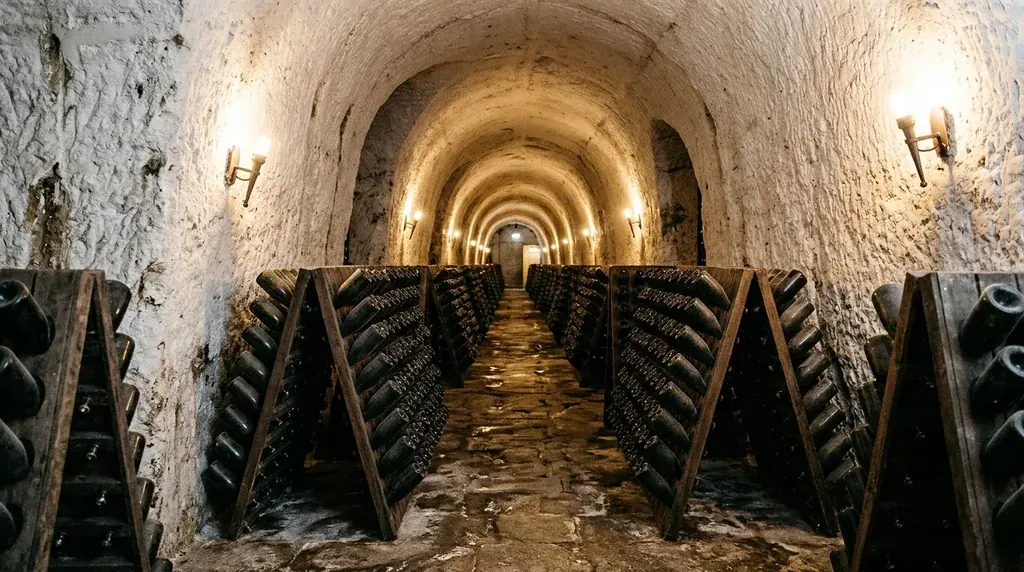
This base wine is bottled in thick glass, and a measured mixture called liqueur de tirage (base wine, active yeast, and pure cane sugar) is added. The bottle is sealed with a steel crown cap, similar to a beer bottle cap, and rested in cool chalk cellars at a steady 10 to 12°C.
Inside the sealed bottle, a second fermentation unfolds slowly. Yeast consumes the added sugar and releases carbon dioxide. With nowhere to escape, pressure inside the bottle climbs to 5 or 6 atmospheres (roughly twice the pressure of a car tire), forcing CO2 to dissolve microscopically into the wine.
Once fermentation finishes, the yeast cells die and settle along the bottle wall. This begins aging on the lees. Over months or years, dead yeast cell walls break down naturally, releasing proteins and amino acids into the wine through yeast autolysis. Autolysis creates the signature aromas of buttered biscuit, toasted brioche, roasted almonds, and savory yeast that define Champagne and Cava. The resulting bubbles feel silky, fine, and persistent for hours in a crystal glass.
2. Charmat Method (Martinotti / Tank Method): Fresh Fruit from the Glera Grape
Invented by Italian Federico Martinotti in 1895 and refined by French engineer Eugène Charmat in 1907, this is the primary method used to produce Prosecco in northeastern Italy and most casual sparkling wines worldwide.
Unlike the traditional method, which ferments wine bottle by bottle, the Charmat method conducts secondary fermentation in bulk inside large, pressurized stainless steel tanks (autoclaves). Base wine is combined with yeast and sugar in the sealed tank, fermented for 1 to 3 months, then filtered and bottled under pressure on an isobaric bottling line.
Because fermentation is much shorter and lacks years of lees contact, the Charmat method does not build toast or biscuit notes. Instead, it preserves bright primary fruit aromas: green pear, crisp apple, acacia blossom, and cantaloupe. The bubbles feel frothier and slightly larger, delivering an immediate burst of crisp freshness on the palate.
Comparing the Four Categories: Champagne vs Prosecco vs Cava vs Other Sparkling Wines
To help you choose the right bottle on the shelf, here is a closer look at the four major sparkling wine families:
1. Champagne (France): The Global Gold Standard
Champagne is defined by brisk, high acidity and clean chalky minerality, layered with savory brioche, toasted almond, baked green apple, and ripe lemon zest. With 5 to 6 bars of pressure, it streams vertical micro-bubbles without pause. Champagne remains the classic choice for milestone celebrations, formal dinners, and prestigious gifts.
2. Prosecco (Italy): Fresh Blossom and Fruit in Dolce Vita Style
Hailing from the hills of Veneto and Friuli Venezia Giulia in northeastern Italy (especially the prized Conegliano Valdobbiadene Prosecco Superiore DOCG zone). As covered in our guide to the best Italian wines , Prosecco is made primarily from the local Glera grape (at least 85 percent). It is approachable, light, and lively, offering white flowers, ripe Williams pear, and a touch of fresh honey. At 3 to 4 bars of pressure, Prosecco shines as an aperitivo, at relaxed afternoon gatherings, and as the base for classic cocktails like the Bellini and Aperol Spritz.
3. Cava (Spain): Champagne’s Twin at a Rational Price
Cava is one of the sommelier world’s best-kept secrets. Centered in Penedès, Catalonia (northeastern Spain), Cava is made using the exact same bottle-fermentation method as Champagne (Méthode Traditionnelle). It relies on a trio of Spanish grapes: Macabeo (citrus and floral lift), Xarel-lo (firm acidity and herbal depth), and Parellada (soft green apple fruit). Cava delivers fine, persistent bubbles and savory biscuit notes much like Champagne, at a fraction of the price.
4. New World and Local Sparkling Wine: Freedom to Explore
New World producers in Australia, New Zealand, the United States, and Bali’s vineyards in Indonesia are not bound by centuries-old European rules. Winemakers freely craft sparkling wines by bottle or tank using Pinot Noir, Chardonnay, Shiraz, or Muscat. As noted in our guide to wine alcohol levels , these wines are typically fruit-forward, energetic, and refreshing in tropical climates.
Head-to-Head Comparison: Champagne vs Prosecco vs Cava vs Sparkling Wine
The table below breaks down the technical and sensory differences across all four categories:
| Wine Category | Terroir Origin | Primary Grapes | Production Method | Bottle Pressure | Dominant Flavor Profile | Price Range in Indonesia |
|---|---|---|---|---|---|---|
| Champagne (AOC France) | Champagne, northern France | Chardonnay, Pinot Noir, Pinot Meunier | Traditional Method (Bottle fermentation for 15 to 36+ months) | 5 to 6 bar (Very high, persistent micro-bubbles) | Toasted brioche, butter biscuit, baked green apple, chalky mineral | IDR 1,400,000 to IDR 5,000,000+ |
| Prosecco (DOC and DOCG Italy) | Veneto and Friuli, northeastern Italy | Glera (minimum 85 percent) | Charmat Method (Steel tank autoclave for 1 to 3 months) | 3 to 4 bar (Moderate, crisp frothy bubbles) | Ripe green pear, crisp apple, cantaloupe, acacia blossom | IDR 450,000 to IDR 950,000 |
| Cava (DO Spain) | Penedès, Catalonia, Spain | Macabeo, Xarel-lo, Parellada | Traditional Method (Bottle fermentation for 9 to 30+ months) | 4 to 5 bar (High, fine persistent bubbles) | Fresh citrus, limestone mineral, toasted almond, earthy toast | IDR 550,000 to IDR 1,200,000 |
| New World and Local Sparkling Wine | Australia, New Zealand, Bali Indonesia | Chardonnay, Pinot Noir, Muscat, local grapes | Tank or Bottle Method (Varies) | 3 to 5 bar (Varies by producer style) | Fresh peach, ripe strawberry, frangipani blossom, crisp acidity | IDR 280,000 to IDR 750,000 |
Reading the Label: The Brut Sweetness Spectrum
When shopping for sparkling wine, the word ‘Brut’ often causes confusion. As detailed in our guide to what Brut means in sparkling wine, Brut is neither a brand name nor an indicator of high alcohol. It is an official classification of residual sugar inside the bottle:
- 1. Brut Nature / Zero Dosage (0 to 3 grams of sugar per liter): Bone-dry and purest in style, bottled with no added sugar (no dosage). Acidity feels razor-sharp, crisp, and mineral-driven.
- 2. Extra Brut (0 to 6 grams of sugar per liter): Very dry, with just enough sugar to balance cool-climate acidity.
- 3. Brut (0 to 12 grams of sugar per liter): The most popular and widespread style globally, accounting for over 85 percent of Champagne and Cava on the market. Classic dry character, clean on the palate, with no lingering sweetness.
- 4. Extra Dry / Extra Sec (12 to 17 grams of sugar per liter): A misleading name for newcomers: despite being called ‘Extra Dry’, this style tastes slightly sweeter than standard Brut. It is very common in Italian Prosecco.
- 5. Dry / Secco (17 to 32 grams of sugar per liter): Noticeably off-dry with gentle sweetness, very approachable for beginners.
- 6. Demi-Sec (32 to 50 grams of sugar per liter): Richly sweet, crafted to pair with fruit tarts, desserts, and wedding cakes.
- 7. Doux (more than 50 grams of sugar per liter): The sweetest category in sparkling wine, delivering syrupy richness akin to ripe fruit nectar.
Food Pairing Science: Why Carbonation Loves Rich, Savory Dishes
Many people treat sparkling wine strictly as a pre-dinner toast. From a culinary standpoint, however, Brut sparkling wine is one of the most versatile food wines at the table.
The science rests on two factors: brisk malic acidity and carbon dioxide effervescence. Rich, fatty, or fried foods coat the tongue with oil and dull your palate. A sip of chilled sparkling wine acts as a natural palate cleanser. The bubbles and citrus acidity cut straight through fat, resetting your taste receptors for the next bite:
- Fresh Oysters and Caviar: The classic match for Brut Champagne. Chalky minerality and sharp acidity pair cleanly with briny raw oysters.
- Crispy Fried Chicken and Japanese Tempura: A favorite sommelier pairing. Crunchy, oily batter is lifted immediately by chilled Cava or Prosecco.
- Steamed Prawn Dumplings and Dim Sum: Savory sesame oil and sweet prawn filling in har gow or siomay pair effortlessly with fruit-forward Prosecco.
- Peking Duck and Honey-Glazed Roast Chicken: Rich, lacquered duck skin balances beautifully against Rosé Champagne or bright red-fruited Australian sparkling wine.
- Salted Potato Chips and Aged Parmesan: Simple everyday snacks turn surprisingly refined alongside a chilled glass of Brut sparkling wine.
Calculating Sparkling Stock for Party Toasts: Want to know how many bottles of sparkling wine or Champagne you need for a wedding toast or champagne tower based on your guest count? Check the formula in our guide to calculating wine for weddings and events .
Opening Etiquette and Glassware: Traditional Flute vs Modern Tulip
As covered in our guide to proper wine serving temperatures , sparkling wine must be chilled to 6 to 8°C before opening. Chilling is not just about refreshment; it is physics. Cold liquid holds dissolved CO2 far more securely than warm liquid.
If you open a bottle at Indonesian room temperature (around 30°C), 6 bars of pressure will blast the cork out and spill half the bottle onto the floor. Follow this safe sommelier technique:
- 1. Remove the Foil and Loosen the Wire Cage (Muselet): Untwist the wire loop six full turns, but leave the cage resting over the cork.
- 2. Keep Your Thumb Over the Cork: Hold your thumb firmly on top of the cork at all times so it cannot fly off unexpectedly.
- 3. Twist the Bottle, Not the Cork: Grip the base of the bottle with your other hand at a 45-degree angle. Slowly rotate the bottle in one direction while holding the cork steady.
- 4. Release with a Soft Sigh: As gas pressure pushes the cork upward, gently ease it out until you hear a quiet sigh (the sommelier’s sigh). A loud pop wastes essential carbonation and breaks formal dining etiquette.
For glassware, as discussed in our guide to wine glass types and names , tall narrow flutes show off rising bubbles nicely. Today, however, most sommeliers prefer a tulip-shaped glass or standard white wine glass. The wider bowl gives brioche and fruit aromas room to open up right beneath your nose.
6 Top Sparkling Bottles to Try at Peakwine
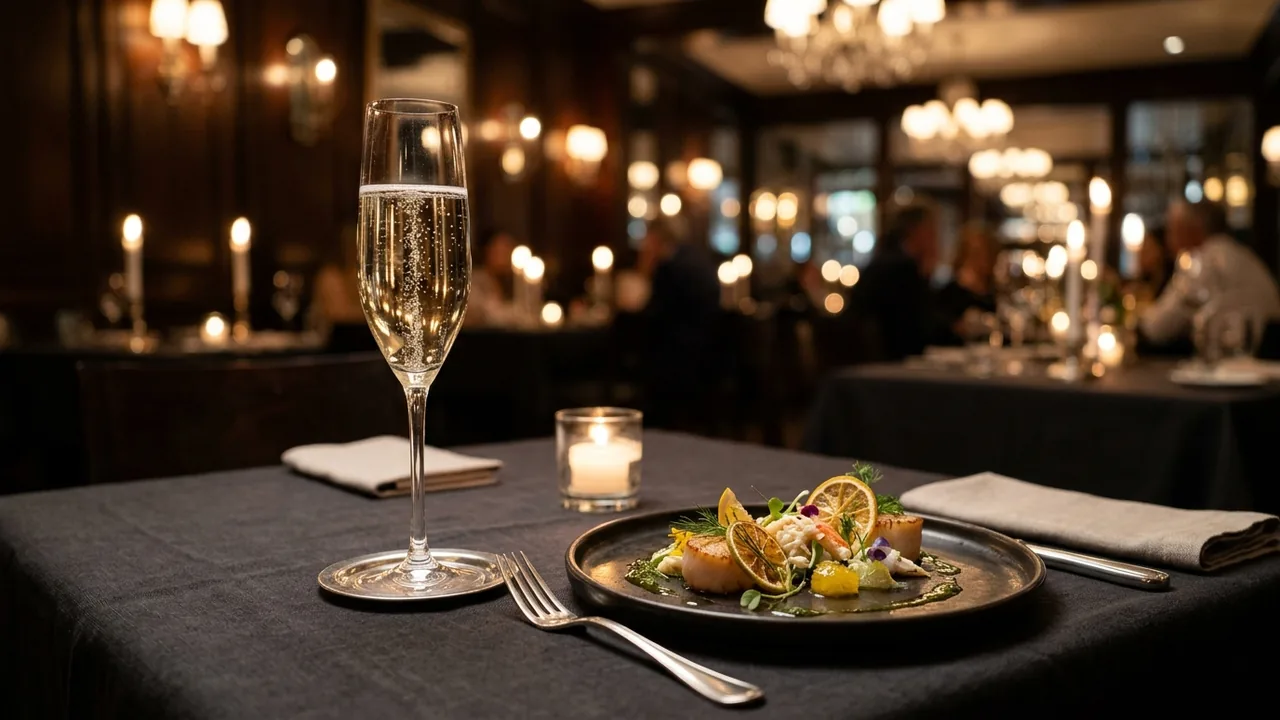
For milestone celebrations, romantic dinners, or weekend toasts, the Peakwine sommelier team has selected six popular bottles across Champagne, Cava, Prosecco, and local sparkling wine available in the Peakwine wine catalog with 100 percent authenticity guaranteed and insured delivery:
Veuve Bonneval Champagne Brut AOP White NV France 750ml
An ideal gateway into authentic French Champagne. Bright pale gold with ultra-fine, persistent micro-bubbles. Aromas of baked green apple, fresh pear, and yeasty biscuit lead into a balanced, crisp palate with a long chalky mineral finish.
Laurent Perrier La Cuvée Brut France 750ml
A flagship cuvée from one of Champagne’s most respected houses, led by over 50 percent Chardonnay sourced from Grand Cru villages. Offers white citrus, blooming acacia, warm toasted brioche, and crisp almond. Prestigious for VIP corporate gifting and grand celebrations.
Cinzano Prosecco DOC Italy 750ml
An icon of Italian sparkling wine that captures the spirit of la dolce vita. Made via the Charmat method from select vineyards in Veneto, it opens with fresh white flowers, ripe pear, and yellow peach. Crisp and lively on the palate, it pairs naturally with canapes and serves as the classic base for an Aperol Spritz.
Codorníu Cava Clásico Brut Spain 750ml
Produced by Spain’s original Cava pioneer, founded in 1551. It uses the same traditional bottle fermentation method as Champagne, delivering fine bubbles alongside fresh citrus, wildflowers, and a subtle toasted biscuit note. It offers a refined tasting experience at a very approachable price.
Yellow Tail Bubbles Sparkling White Australia 750ml
Australia’s most popular casual sparkling wine, made to be opened anytime without waiting for a formal occasion. It shows aromas of sweet passionfruit, ripe peach, and fresh lemon. With its lively mousse and approachable palate, it fits right in at a backyard barbecue or weekend gathering with friends.
Sababay Ascaro Brut 2025 Indonesia 750ml
A point of pride for Indonesian viticulture, produced on the northern coast of Bali using a Charmat method adapted for a tropical climate. It offers fragrant tropical jasmine, fresh lychee, green apple, and crisp citrus acidity. Pour it chilled poolside alongside grilled seafood or spiced chicken.
Frequently Asked Questions About Champagne and Sparkling Wine
Is Champagne just regular wine with carbonation added?
No. Champagne is a protected appellation wine (AOC Champagne, France) whose carbonation forms naturally through a secondary fermentation inside a sealed glass bottle (Méthode Champenoise), not through artificial gas injection like soda. Made from Chardonnay, Pinot Noir, and Pinot Meunier, Champagne ages on its lees for at least 15 months, and often for several years, to develop fine, persistent bubbles and rich brioche aromas.
What is the main difference between Champagne and Prosecco?
The main differences come down to region, grape varieties, and production method. Champagne comes from northern France, relies on Chardonnay and Pinot grapes, and undergoes secondary fermentation in the bottle (Méthode Traditionnelle) for complex, toasty, yeasty flavors. Prosecco comes from Veneto in northeastern Italy, uses Glera grapes, and is made in pressurized stainless-steel tanks (the Charmat Method) to preserve fresh pear, green apple, and floral notes with lighter, frothier bubbles.
Why is a bottle of Champagne much more expensive than Cava or Prosecco?
Five main factors drive Champagne’s higher price: strict vineyard boundaries in France, mandatory hand harvesting, the capital required to age bottles for years in chalk cellars, global prestige, and tight limits on vineyard yields. By comparison, Spanish Cava uses the same bottle-fermentation method but benefits from lower land and labor costs, while Prosecco’s tank method is far more efficient at scale.
Does Spanish Cava match Champagne in quality?
In terms of winemaking technique, Cava uses the exact same traditional bottle-fermentation method as Champagne. Cava Reserva and Gran Reserva even spend a minimum of 18 to 30 months on the lees. The difference lies in the local Spanish grapes (Macabeo, Xarel-lo, Parellada), which yield an earthier profile with limestone minerality and fresh citrus at a much friendlier price.
What is the ideal serving temperature for sparkling wine, and how should it be stored?
All sparkling wines, including Champagne, Prosecco, and Cava, should be served chilled at 6-8°C. Cold temperatures keep dissolved carbon dioxide stable so the wine does not gush when opened. Store bottles in a cool, dark place away from direct sunlight. Once opened, seal the bottle with a pressurized Champagne stopper to keep the bubbles fresh in the refrigerator for 1 to 3 days.
Conclusion: Celebrate Every Occasion with Peakwine
Understanding the differences between Champagne, Prosecco, Cava, and other sparkling wines shows that each bottle has its own identity, winemaking tradition, and ideal occasion. Champagne delivers prestige and brioche complexity; Prosecco brings fresh, floral Italian charm; Cava offers traditional bottle-fermented character at a fair price; and New World sparkling wines bring bright, fruit-forward energy.
Whatever the occasion, from a wedding reception or formal dinner to a business launch or casual weekend meal, choose a bottle that matches both your palate and your menu.
Consult Our Sommeliers for Your Champagne and Sparkling Wine Needs
Need help calculating bottle counts for a wedding, curating corporate gift hampers, or finding the best sparkling wine for your budget? Peakwine’s certified sommelier team offers direct consultations and fast, guaranteed delivery across Indonesia.
Explore Curated Selections for Your Cellar
Authentic wines, spirits, and sake personally curated by our sommelier team with verified provenance and climate-controlled delivery.
Wine Guide Collection
Over 1,300+ red, white, and sparkling wines from acclaimed global producers.
Explore Wine Catalog → Premium SpiritsWhisky, Gin, and Vodka
Rare single malts, blended Scotch, artisan gin, and 100% agave tequila.
Explore Spirits Catalog → Cold-Chain GuaranteedSake and Asian Drinks
Authentic Japanese Daiginjo, Ginjo, Junmai sake and chilled Korean soju.
Explore Sake Collection → Instant Delivery22+ Official Outlets
Find the nearest Peakwine cellar outlet in Bandung and Jakarta for direct pickup.
Find Store Locations →

 By Wine Style
 Red Wine
 White Wine
 Sparkling Wine & Champagne
 Rosé Wine
 Dessert & Sweet Wine
 Fortified & Port Wine
 By Grape Variety
 Cabernet Sauvignon
 Shiraz
 Chardonnay
 Merlot
 Sauvignon Blanc
 Pinot Noir
 Tempranillo
 Sangiovese
 Malbec
 Grenache
 Semillon
 Primitivo
 Moscato
 Carmenere
 Riesling
 Pinot Grigio
 By Country & Region
 Australia
 France
 Chile
 Indonesia
 Italy
 Argentina
 Spain
 United States
 Portugal
 South Africa
 New Zealand
 Japan
 Germany
 By Taste & Sweetness
 Full-Bodied Wine
 Medium-Bodied Wine
 Light-Bodied Wine
 Sweet & Fruity Wine
 Dry Wine
 Curated Collections
 Best Sellers
 Everyday Value (< 500k)
 Reserve & Cellar

 Whisky & Whiskey
 Single Malt Scotch
 Blended Scotch
 Bourbon & Tennessee
 Japanese Whisky
 Irish Whiskey
 Gin
 London Dry Gin
 Dry Gin
 Tequila & Mezcal
 Vodka
 Premium & Craft Vodka
 Indonesian Vodka
 Rum
 White Rum
 Dark Rum
 Brandy Cognac
 Armagnac
 Liqueur
 Traditional Spirit


