

Champagne and Sparkling Wine Sweetness Levels: Brut, Extra Dry, Demi-Sec, and Doux


📖 Table of Contents ▼
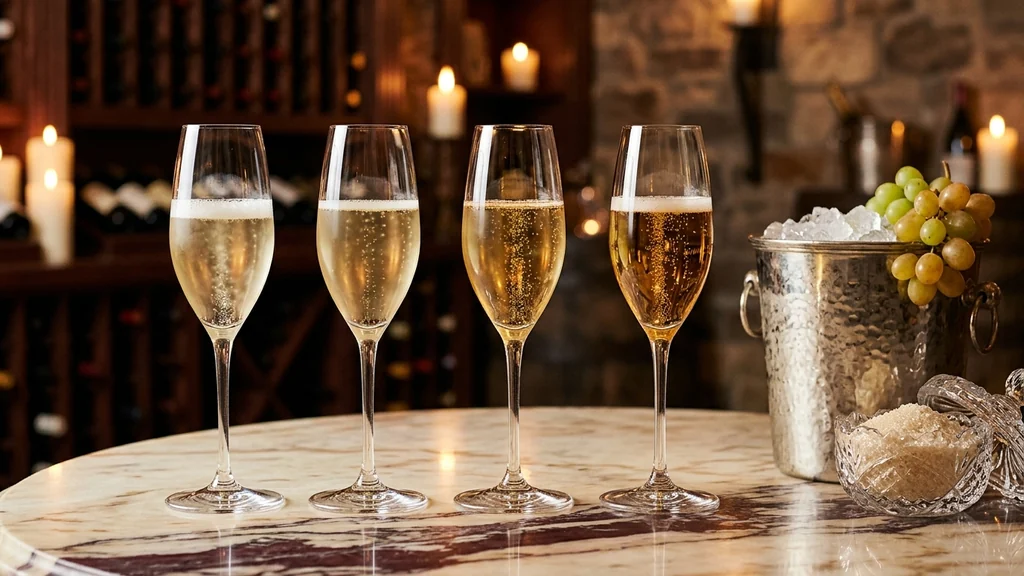
The word Brut on a Champagne or sparkling wine label is an official sweetness indicator meaning the wine is dry with no sweet taste, not a producer brand or a marker of high alcohol. Borrowed from Old French, where it literally means ‘raw’, ‘rough’, or ‘unpolished’, Brut indicates that the wine contains less than 12 grams of residual sugar per liter, equal to less than half a teaspoon of sugar per 150-milliliter glass. In the international wine trade, sparkling wine sweetness is strictly regulated across seven official tiers: from Brut Nature with no added sugar, to crisp Extra Brut, to Brut as the world’s classic standard, to Extra Dry which tastes slightly sweeter, and finally to Demi-Sec and Doux made for dessert lovers.
- What Brut Means: Brut means dry in international wine terminology, indicating residual sugar below 12 grams per liter for a clean, crisp, and refreshing palate.
- The Science of Dosage: Sparkling wine sweetness is determined by dosage (liqueur d’expédition), a precise addition of pure cane sugar syrup dissolved in reserve wine just before permanent corking to balance the sharp malic acidity of cool-climate grapes.
- The Extra Dry Paradox: Despite having the word ‘Dry’ in its name, wine labeled Extra Dry (12 to 17 grams of sugar per liter) is technically sweeter than standard Brut (under 12 grams per liter).
- Seven Official Sweetness Tiers: European Union regulations divide sweetness into Brut Nature (0 to 3 g/L), Extra Brut (0 to 6 g/L), Brut (0 to 12 g/L), Extra Dry (12 to 17 g/L), Dry or Secco (17 to 32 g/L), Demi-Sec (32 to 50 g/L), and Doux (over 50 g/L).
- Low Calorie and Diet-Friendly: A 150-ml glass of Brut wine contains only 1.2 to 1.5 grams of natural sugar carbohydrates and averages 110 to 125 calories, making it one of the safest alcoholic choices for a low-sugar lifestyle.
- Sommelier Food Pairing Principle: Dry sparkling wines (Brut Nature and Brut) act as natural palate cleansers for raw seafood and crispy fried dishes, while semi-sweet styles (Demi-Sec and Doux) belong with sweet desserts so the wine never tastes bitter.
Understanding Brut: From Old French to International Regulation
For many wine drinkers in Indonesia who are just beginning to explore sparkling wine, the word ‘Brut’ printed boldly on a bottle often causes confusion. Many assume it is a specific grape variety, a producer’s brand name, or even a sign that the drink packs extra-strong alcohol. As outlined in our wine alcohol content guide , Brut sparkling wine typically sits at a standard 11.5 to 12.5 percent ABV, just like regular table wine.
Etymologically, the word brut comes directly from Old French, meaning ‘raw’, ‘rough’, or ‘in its pure, unpolished state’. In winemaking, the term first appeared in Champagne in the mid-19th century to describe sparkling wine made without heavy sweetening, leaving its natural character pure, sharp, and unsweetened.
As detailed in our guide to the difference between Champagne and sparkling wine , sparkling wines worldwide made by traditional bottle fermentation or tank methods follow strict consumer protection rules. European Union law (EU Regulation No 1308/2013) and the Champagne AOC charter require producers to state the sweetness classification clearly on the front or back label. Whenever you see Brut on Champagne, Cava, Prosecco, or local sparkling wine, you know exactly how much sugar is inside before you take a sip.
The Science Behind Dosage: Why Sugar Is Added at the End of Champagne Production
A logical question often comes up: if grapes already contain natural sugar that yeast converts into alcohol during fermentation, why do winemakers add sugar back into the bottle? The answer lies in the geography of northern France’s Champagne region and the chemistry of acidity.
Champagne sits at the northern edge of European viticulture, where the climate is cool. Grapes here (Chardonnay, Pinot Noir, and Pinot Meunier) are harvested with very high natural titratable acidity and relatively low natural sugar. This abundant malic acidity provides the firm backbone and multi-decade aging potential that fine sparkling wine needs.
However, once secondary fermentation inside the sealed bottle finishes and yeast consumes all natural sugar, the resulting base wine tastes bracing, razor-sharp, and unforgiving to most palates. This is where the science of dosage (also called liqueur d’expédition) plays a crucial role:
- 1. Disgorgement (Dégorgement): After the wine ages on dead yeast cells (lees aging) for years, the bottle neck is frozen in a chilled brine bath. The temporary crown cap is popped off, and 6 bars of internal gas pressure eject the frozen plug of yeast sediment.
- 2. Liquid Loss: Ejecting the frozen yeast plug causes about 10 to 20 milliliters of wine to escape from the neck of the bottle.
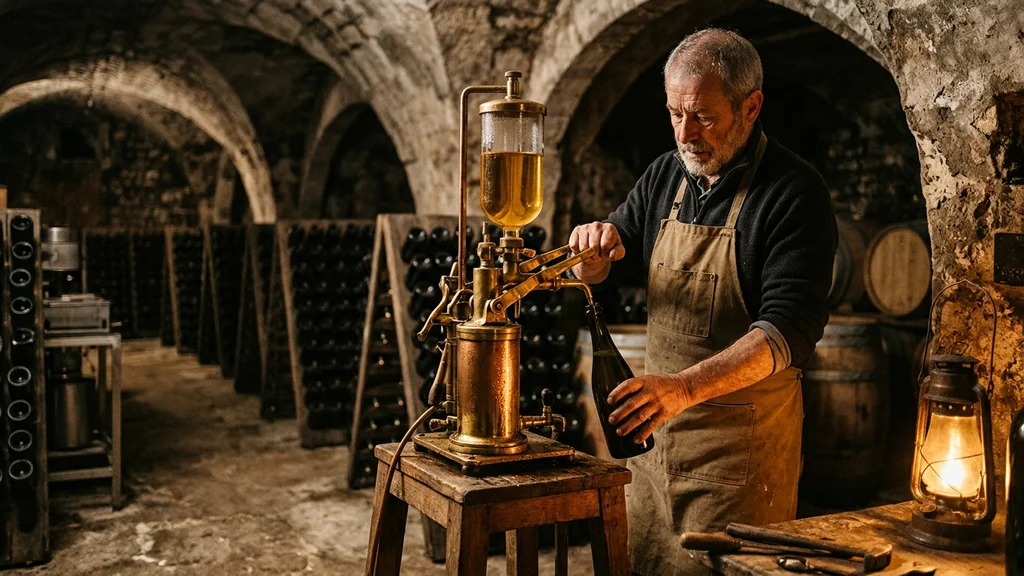
- 3. Adding Liqueur d’Expédition: Before the bottle receives its permanent mushroom cork and wire cage (muselet), the empty space in the neck is topped up with the cellar master’s blend called liqueur d’expédition. This mixture combines high-quality aged reserve wine with pure cane sugar syrup measured to the milligram per liter.
- 4. Final Classification: The exact sugar level in the dosage determines the final label: Brut Nature (no sugar added), Brut (a touch of sugar to balance acidity), or Demi-Sec (softly sweet for dessert).
The 7 Sparkling Wine Sweetness Levels: From Brut Nature to Doux (Official Scale)
To help drinkers understand the flavor profile of every bottle, international wine law divides sparkling wine sweetness into seven official tiers based on grams of residual sugar per liter:
1. Brut Nature / Zero Dosage / Pas Dosé (0 to 3 grams of sugar per liter)
The purest, driest, and most uncompromising category in sparkling wine. Producers add zero sugar during dosage; any trace detected (0 to 3 g/L) comes from natural grape glucose and fructose left unfermented by yeast. The flavor is razor-sharp, chalky, mineral-driven, and packed with crisp citrus acidity. It is a favorite among purist sommeliers and fine-dining enthusiasts.
2. Extra Brut (0 to 6 grams of sugar per liter)
A very dry style with minimal dosage tolerance (up to 6 grams per liter). The tiny touch of sugar softens aggressive malic acidity without leaving any noticeable sweetness on the palate. The wine feels energetic, brisk, and savory with a lingering mineral finish.
3. Brut (0 to 12 grams of sugar per liter)
The gold standard and dominant style, accounting for over 85 percent of all Champagne, Cava, and sparkling wine produced worldwide. With residual sugar typically between 6 and 10 grams per liter in practice, Brut delivers classic balance: lively green apple and citrus acidity without harshness, finishing dry and clean.
4. Extra Dry / Extra Sec / Extra Trocken (12 to 17 grams of sugar per liter)
The most misunderstood classification. With 12 to 17 grams of residual sugar per liter, this style shows a gentle, noticeable touch of sweetness on the tip of the tongue. It is the most common style for Prosecco DOC from northeastern Italy. As noted in our guide to wine flavor profiles , the soft sweetness of Extra Dry pairs naturally with ripe pear and fresh acacia blossom aromas.
5. Dry / Secco / Sec (17 to 32 grams of sugar per liter)
Although ‘Dry’ and ‘Secco’ translate literally to dry, in gram terms this tier is clearly medium-sweet (about 3 to 5 teaspoons of sugar per bottle). The texture feels rounder and medium-bodied, making it approachable for newcomers who are not yet used to the sharp acidity of dry red or white wine.
6. Demi-Sec / Semi-Seco (32 to 50 grams of sugar per liter)
A richly sweet sparkling wine style popular for celebrations and dessert courses. As highlighted in our best sweet wine recommendations , Demi-Sec offers ripe fruit flavors of honey, dried apricot, pineapple jam, and butter pastry. Bright natural acidity keeps the sweetness from feeling cloying.
7. Doux / Dulce / Sweet (More than 50 grams of sugar per liter)
The sweetest category in sparkling wine, exceeding 50 grams of sugar per liter and often reaching 80 to 100 grams per liter, comparable to rich soda. This style reflects 18th- and 19th-century Champagne favored by the Russian Imperial court, though today it is rare and produced only in small specialty batches.
Unpacking the Extra Dry Paradox: Why It Tastes Sweeter Than Brut
To anyone reading a wine label for the first time, ‘Extra Dry’ sounds drier than ‘Dry’ and even drier than ‘Brut’. In reality, ordered from least sweet to sweetest, the scale runs: Brut Nature, Extra Brut, Brut, Extra Dry, Dry, Demi-Sec, and Doux. Why does the naming seem backward?
The answer lies in two centuries of shifting global taste. During the 1800s, the largest market for Champagne was the Russian Tsar’s court and Eastern European aristocracy, who preferred Champagne heavily sweetened (Doux, often 150 to 200 grams of sugar per liter, nearly like thick syrup).
When Victorian-era British drinkers began asking for fresher Champagne with far less sugar, French houses created a style with around 15 to 20 grams per liter. Compared with the syrupy norm of the day, 15 grams per liter tasted remarkably dry, so producers named it ‘Extra Dry’.
Over time, global palates moved toward even drier wines. In 1876, Champagne house Pommery pioneered a truly dry Champagne with minimal dosage (around 8 grams per liter just to balance acidity). Because ‘Dry’ and ‘Extra Dry’ were already taken by sweeter styles, they chose a new term: ‘Brut’ (raw and unpolished). That historical legacy is why Extra Dry remains sweeter than Brut today.
Head-to-Head Sweetness Spectrum Comparison Table
The comparison matrix below breaks down residual sugar in grams per liter, teaspoon equivalents per bottle, estimated calories per glass, and palate perception:
| Label Term | Residual Sugar (Grams per Liter) | Teaspoon Equivalent per Bottle | Calories per 150ml Glass | Palate Perception | Sweetness Level |
|---|---|---|---|---|---|
| Brut Nature / Zero Dosage | 0 to 3 g/L | Less than 0.5 tsp | 100 to 110 kcal | Very sharp, crisp citrus acidity, pure chalky minerality with zero sweetness | Bone Dry |
| Extra Brut | 0 to 6 g/L | About 0.5 to 1 tsp | 105 to 115 kcal | Firmly dry, very fresh, structured and energetic malic acidity | Very Dry |
| Brut (Classic Standard) | 0 to 12 g/L | About 1 to 2 tsp | 110 to 125 kcal | Balanced dry, fresh green apple fruit and savory biscuit yeast notes | Balanced Dry |
| Extra Dry / Extra Sec | 12 to 17 g/L | About 2 to 3 tsp | 125 to 135 kcal | Soft, light sweetness on the palate, approachable pear and fresh floral notes | Off-Dry (Hint of Sweetness) |
| Dry / Secco / Sec | 17 to 32 g/L | About 3 to 5 tsp | 135 to 150 kcal | Noticeable medium sweetness, soft fruit weight across the mid-palate | Lightly Semi-Sweet |
| Demi-Sec / Semi-Seco | 32 to 50 g/L | About 5 to 8 tsp | 155 to 180 kcal | Richly sweet like ripe fruit nectar and honeyed apricot jam | Richly Sweet (Dessert Wine) |
| Doux / Dulce / Sweet | More than 50 g/L | More than 8 to 12 tsp | 190 to 230 kcal | Thick, syrupy sweetness reminiscent of historical banquet wines | Very Sweet |
Food Pairing Science by Sweetness Scale: Matching Salt, Fat, and Sugar
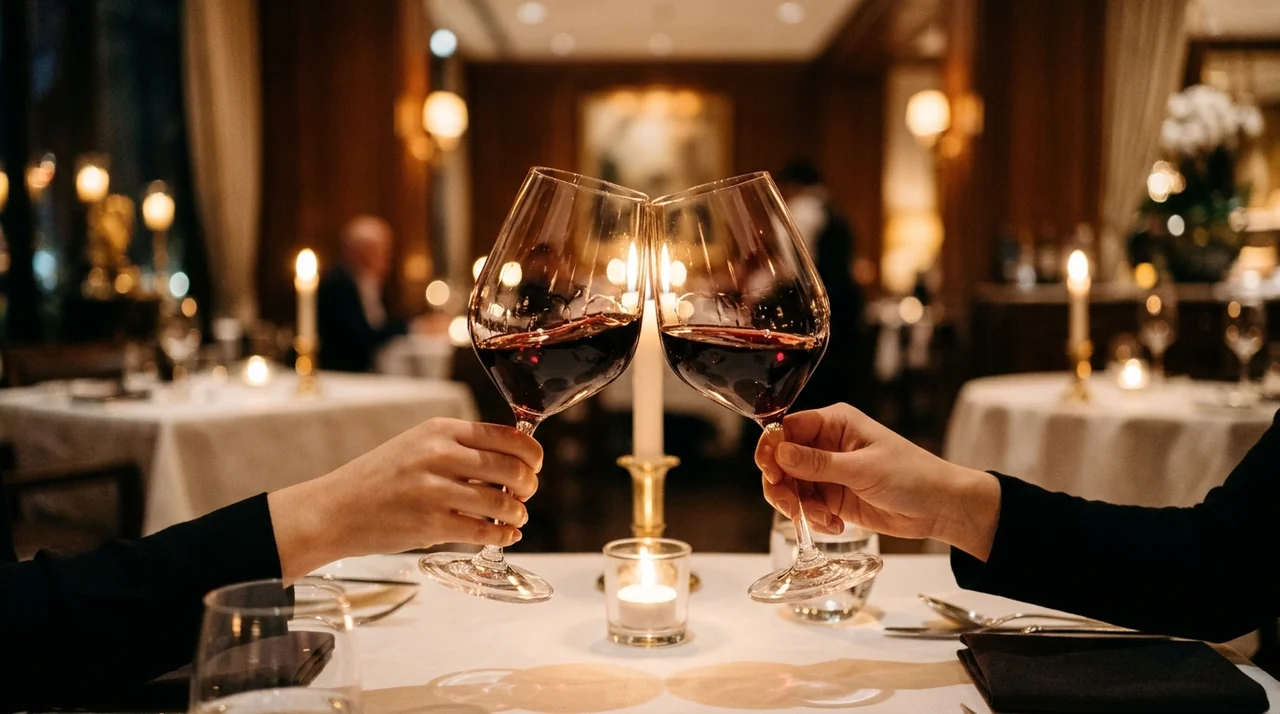
In international sommelier practice, successful food and wine pairing depends on how acidity, salinity, fat, and sugar interact. As explained in our article on wine calories and sugar content , choosing the right sweetness tier turns an ordinary meal into a cohesive dining experience:
- Brut Nature and Extra Brut Pairings (Pure Sharp Acidity): Ideal for naturally briny seafood without sweet sauces, such as fresh raw oysters, salmon and tuna sashimi, steamed garlic clams, and caviar. Pure malic acidity cuts through ocean richness much like a squeeze of fresh lemon.
- Standard Brut Pairings (All-Purpose Fat Cleanser): The most versatile choice at the table. Active effervescence and sugar below 12 g/L cleanse the palate between bites of crispy fried chicken, Peking duck, shrimp dim sum, tempura, parmesan fries, and aged hard cheeses like cheddar and gouda.
- Extra Dry Pairings (Savory-Sweet Asian Harmony): With 12 to 17 g/L of sugar, Extra Dry bridges Indonesian and Asian dishes that carry savory-sweet glazes, such as chicken sate with sweet soy sauce, char kway teow, pad thai, sweet-and-sour dim sum, and melon wrapped in prosciutto.
- Demi-Sec and Doux Pairings (The Dessert Rule): The golden rule for dessert is that the wine must be at least as sweet as the dish. If you pair a dry Brut with strawberry tart or cheesecake, the wine will taste thin and bitter. A chilled Demi-Sec pairs naturally with fruit tarts, mango pudding, honey pancakes, and sharp blue cheese.
Serving Temperature and Glassware Guide: Preserving Bubbles and Balance
Serving temperature has a dramatic effect on how sweet a wine tastes. As covered in our guide to proper wine serving temperatures , the palate perceives sugar far more intensely when wine is warm, whereas cold temperatures mute sweetness and highlight crisp citrus acidity.
If a Demi-Sec sparkling wine is served at Indonesian room temperature (28 to 30 degrees Celsius), it tastes syrupy and heavy. Chilled to 6 to 8 degrees Celsius, its malic acidity balances the sugar for a refreshing, poised finish. Follow these three serving rules:
- 1. Precision Chilling (6 to 8 Degrees Celsius): Chill the bottle for at least 3 to 4 hours in a refrigerator, or submerge it for 30 minutes in an ice bucket filled with equal parts cold water and ice.
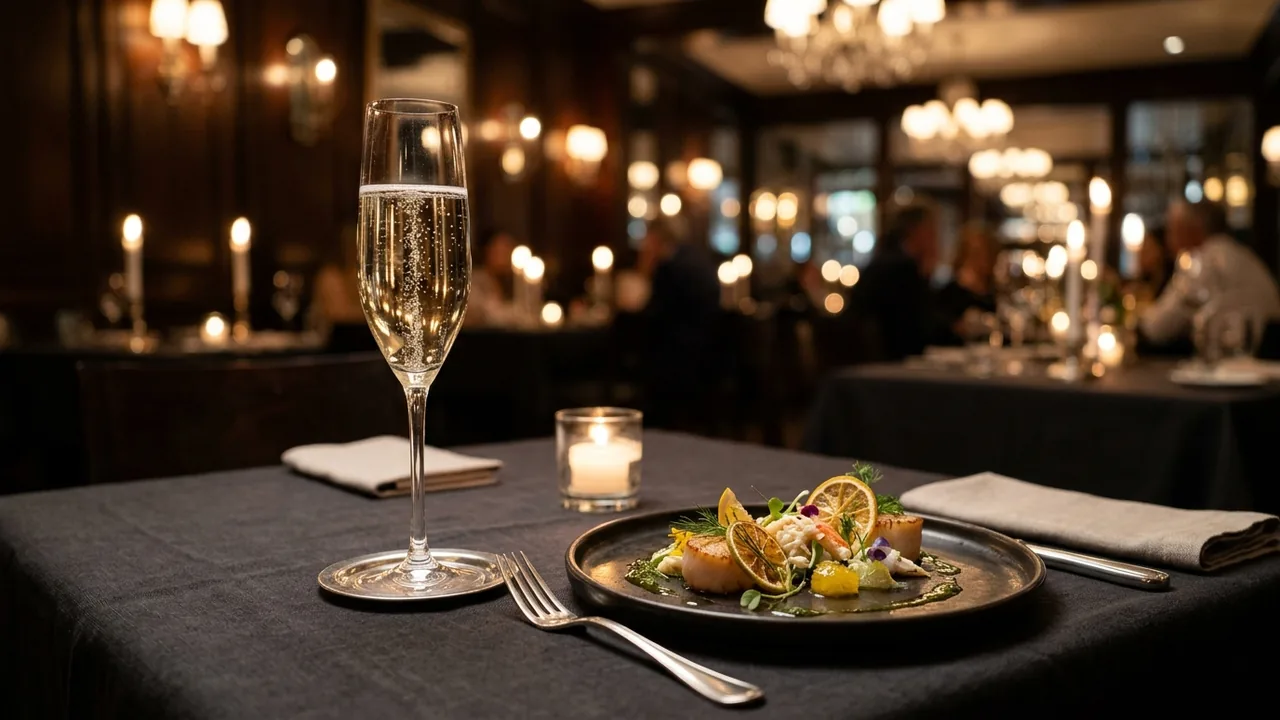
- 2. Tulip-Shaped Stemware: Avoid wide, shallow coupe glasses, which let carbonation escape too quickly. Choose a crystal tulip glass or a slender white wine glass: the slightly rounded bowl gives brioche and fruit aromas room to open, while the tapered rim directs bubbles to the tip of the tongue.
- 3. Hold the Stem: Always hold the glass by its stem rather than the bowl. Heat from your palm warms the wine within minutes, destabilizes the bubbles, and shifts the perceived sweetness.
6 Top Bottle Recommendations in the Peakwine Catalog
To experience the real difference across the sweetness spectrum from classic dry Brut to smooth Demi-Sec, Peakwine’s sommelier team selected six bottles currently in stock in the Peakwine wine catalog with 100 percent authenticity guaranteed and insured delivery:
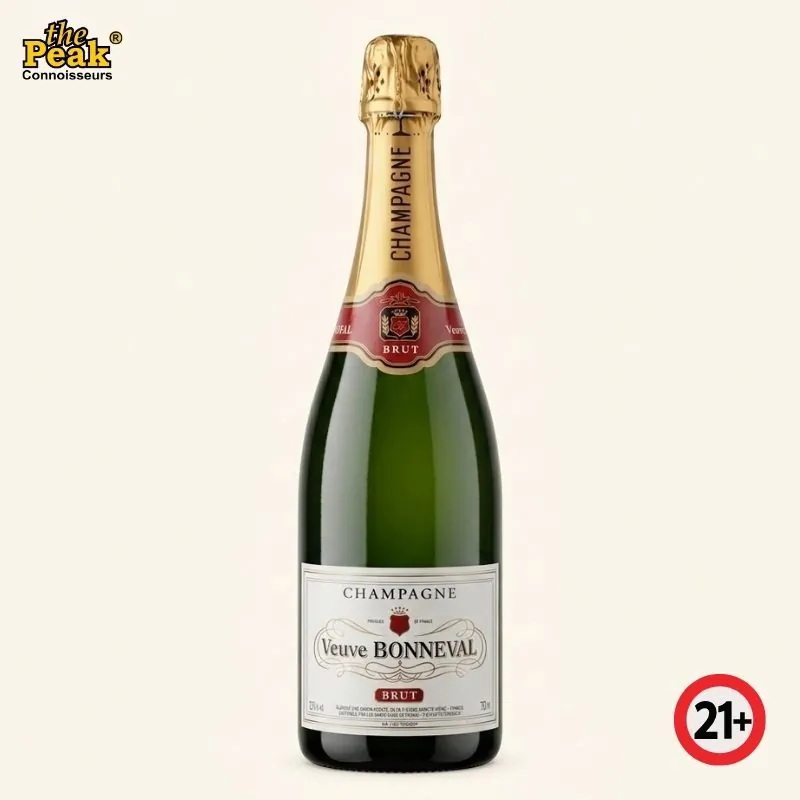
Veuve Bonneval Champagne Brut AOP White NV France 750ml
A benchmark classic French Brut Champagne with residual sugar below 10 g/L. Persistent micro-bubbles carry aromas of baked green apple, crisp pear, and buttery brioche. Fresh and balanced, it finishes with clean chalky minerality.
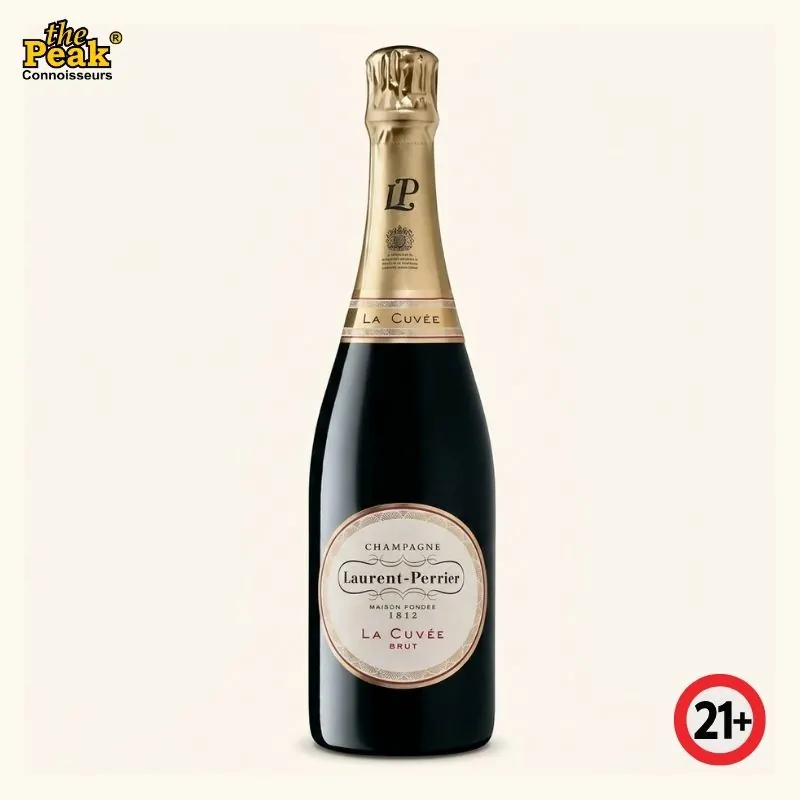
Laurent Perrier La Cuvée Brut France 750ml
A flagship cuvée from a historic Champagne house known for minimal dosage and over 50 percent Chardonnay. Offers white acacia blossom, warm brioche, and ripe lemon zest. High-energy acidity gives it a crisp, aristocratic dry finish.
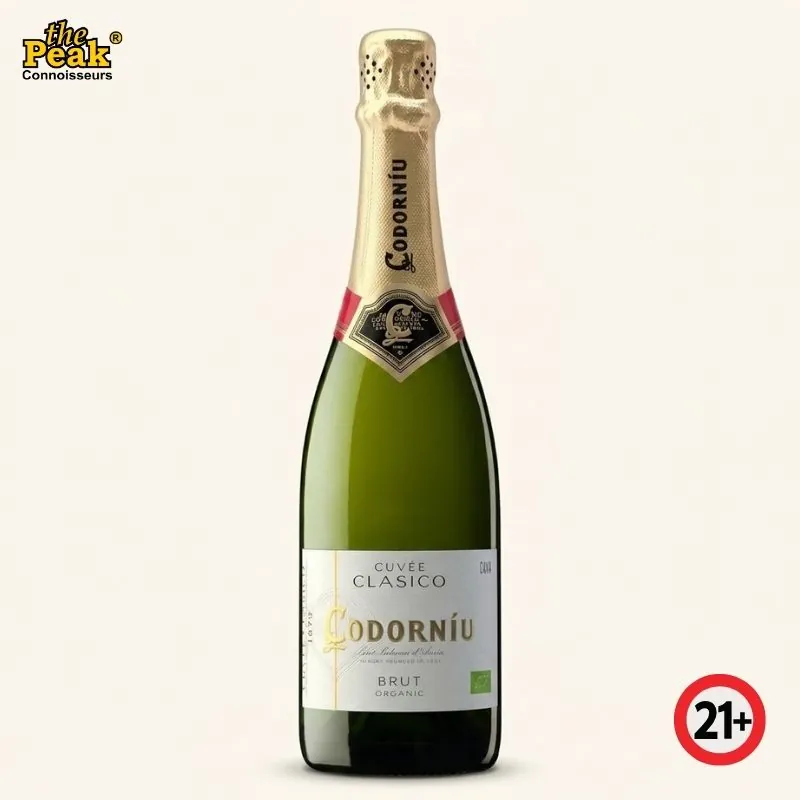
Codorníu Cava Clásico Brut Spain 750ml
A smart way to enjoy traditional bottle fermentation (Méthode Champenoise) at an approachable price. Balanced around 10 g/L residual sugar with fine persistent mousse, fresh citrus, wildflowers, and subtle toasted biscuit notes. Great with tapas and fried chicken.
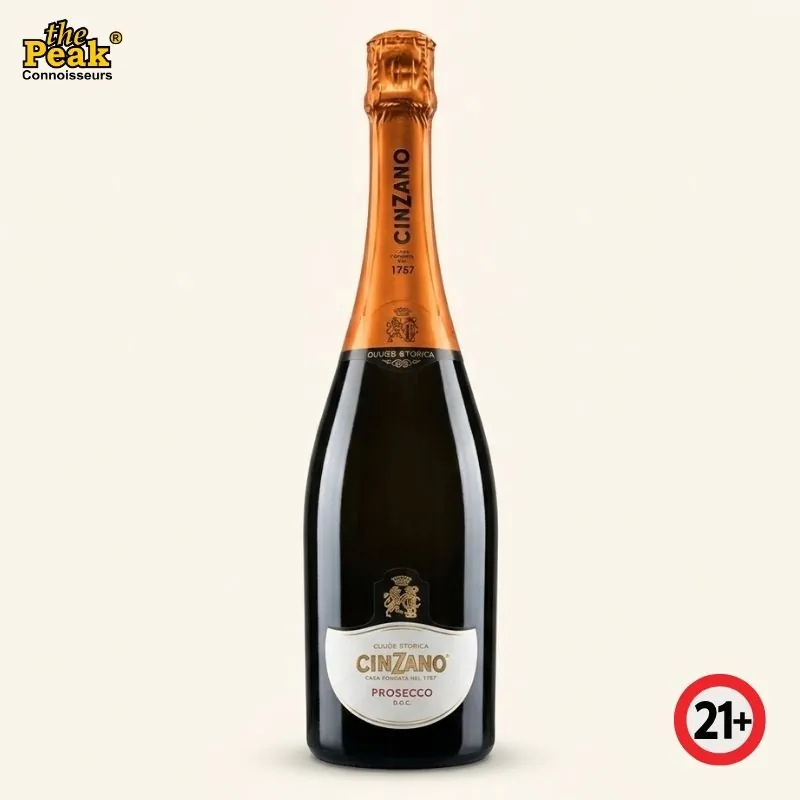
Cinzano Prosecco DOC Italy 750ml
An iconic Extra Dry Italian Prosecco with gentle sweetness, ripe Williams pear, yellow peach, and acacia blossom. Made in Charmat pressurized tanks to lock in bright fruit freshness. Crowd-pleasing on its own and essential for an Aperol Spritz.
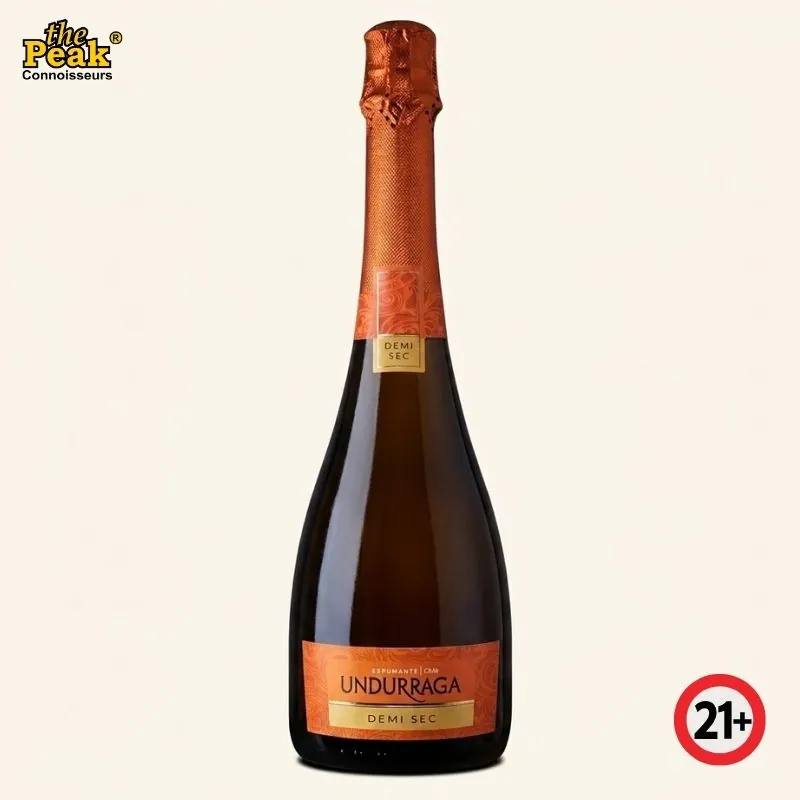
Undurraga Demi Sec Chile 750ml
A New World Demi-Sec sparkling wine with around 36 g/L residual sugar. Bright gold in the glass with aromas of peach nectar, floral honey, and ripe pineapple. Its sweetness pairs with refreshing natural acidity for casual celebrations.
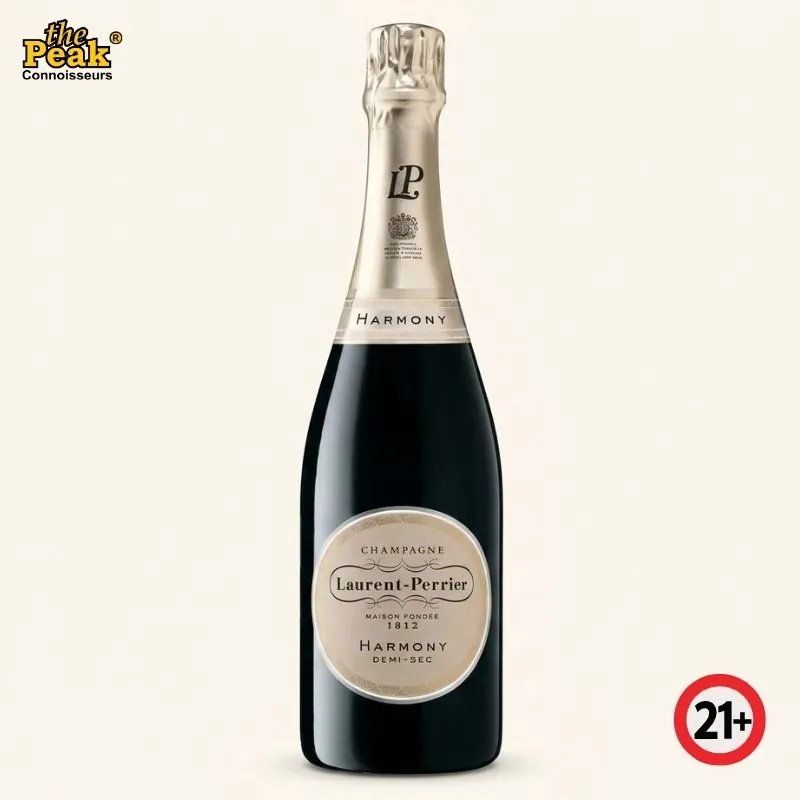
Laurent Perrier Demi Sec Harmony France 750ml
Laurent-Perrier’s sweet Champagne benchmark uses a precise dosage of around 40 g/L. It opens with complex aromas of dried apricot, peach jam, roasted hazelnut, and acacia honey. Firm Grand Cru acidity keeps the sweetness graceful and balanced on the palate.
Frequently Asked Questions About Brut and Wine Sweetness (FAQ)
What does the word Brut mean on a bottle of wine or Champagne?
The word ‘Brut’ comes from Old French and literally means ‘raw’, ‘coarse’, or ‘unrefined’. In international wine law and sommelier practice, Brut is an official sweetness designation for dry wine with less than 12 grams per liter of residual sugar (under half a teaspoon of sugar per 150 ml pour). Brut is not a producer’s brand name or a measure of high alcohol; it is a taste classification telling consumers the wine is dry with a crisp, refreshing finish.
Why does Extra Dry wine taste sweeter than Brut?
This is one of the most common paradoxes in wine terminology. Despite the name ‘Extra Dry’, European Union law and winemaking tradition define Extra Dry (or Extra Sec) as having 12 to 17 grams of residual sugar per liter, making it measurably sweeter than Brut (under 12 grams per liter). The term Extra Dry originated in the 19th century when most Champagne was syrupy sweet (Doux); as producers began lowering sugar levels, they called the new style ‘Extra Dry’ before tastes shifted toward truly dry wines later named ‘Brut’.
What is dosage in Champagne and sparkling wine production?
Dosage (also called liqueur d’expédition) is the addition of a small liquid blend right after frozen yeast sediment is expelled from the bottle neck (disgorgement) and before the final cork goes in. This mixture combines high-quality reserve wine with pure cane sugar syrup measured to the milligram. Dosage balances the sharp malic acidity of cool-climate Champagne grapes, tops up the volume lost during disgorgement, and sets the wine’s final sweetness level (such as Brut Nature, Brut, Extra Dry, or Demi-Sec).
How many grams of sugar and calories are in a glass of Brut wine?
In a standard 150 ml pour of sparkling wine, a typical Brut (with 8 to 10 grams per liter of residual sugar) contains only about 1.2 to 1.5 grams of natural sugar. In terms of energy, a glass of Brut averages 110 to 125 calories, most of which come from alcohol (12 percent ABV) rather than sugar. That is significantly lower than a glass of Demi-Sec sparkling wine (around 160 to 180 calories) or a regular soda (around 150 calories from 35 grams of sucrose).
How do you choose the right sparkling wine sweetness for a party or meal?
A reliable sommelier rule is to match the wine’s sweetness to the richness and flavor intensity of the food: choose Brut Nature or Extra Brut for raw seafood (fresh oysters, sashimi, and shellfish) because crisp acidity cuts through briny flavors; choose Brut for rich, savory dishes (crispy fried chicken, Peking duck, dim sum, creamy pasta, and aged cheese) as a natural palate cleanser; choose Extra Dry for casual wedding receptions or sweet-savory Asian dishes like sweet soy sate and pad thai; and choose Demi-Sec or Doux specifically for sweet desserts like fruit tarts, caramel pudding, or cheesecake so the wine does not taste flat.
Conclusion: Find Your Ideal Sweetness Level at Peakwine
Understanding Brut and the sparkling wine sweetness spectrum takes the guesswork out of choosing a bottle. You might want the bone-dry purity of Brut Nature for fresh oysters, the classic balance of Brut for a dinner toast, the soft fruitiness of Extra Dry for weekend gatherings, or the rich sweetness of Demi-Sec for birthday cakes and wedding celebrations. Every sweetness level has its own distinct appeal.
The key to enjoying sparkling wine is serving it properly chilled alongside dishes that match the character in your glass.
Explore Curated Selections for Your Cellar
Authentic wines, spirits, and sake personally curated by our sommelier team with verified provenance and climate-controlled delivery.
Wine Guide Collection
Over 1,300+ red, white, and sparkling wines from acclaimed global producers.
Explore Wine Catalog → Premium SpiritsWhisky, Gin, and Vodka
Rare single malts, blended Scotch, artisan gin, and 100% agave tequila.
Explore Spirits Catalog → Cold-Chain GuaranteedSake and Asian Drinks
Authentic Japanese Daiginjo, Ginjo, Junmai sake and chilled Korean soju.
Explore Sake Collection → Instant Delivery22+ Official Outlets
Find the nearest Peakwine cellar outlet in Bandung and Jakarta for direct pickup.
Find Store Locations →


 By Wine Style
 Red Wine
 White Wine
 Sparkling Wine & Champagne
 Rosé Wine
 Dessert & Sweet Wine
 Fortified & Port Wine
 By Grape Variety
 Cabernet Sauvignon
 Shiraz
 Chardonnay
 Merlot
 Sauvignon Blanc
 Pinot Noir
 Tempranillo
 Sangiovese
 Malbec
 Grenache
 Semillon
 Primitivo
 Moscato
 Carmenere
 Riesling
 Pinot Grigio
 By Country & Region
 Australia
 France
 Chile
 Indonesia
 Italy
 Argentina
 Spain
 United States
 Portugal
 South Africa
 New Zealand
 Japan
 Germany
 By Taste & Sweetness
 Full-Bodied Wine
 Medium-Bodied Wine
 Light-Bodied Wine
 Sweet & Fruity Wine
 Dry Wine
 Curated Collections
 Best Sellers
 Everyday Value (< 500k)
 Reserve & Cellar

 Whisky & Whiskey
 Single Malt Scotch
 Blended Scotch
 Bourbon & Tennessee
 Japanese Whisky
 Irish Whiskey
 Gin
 London Dry Gin
 Dry Gin
 Tequila & Mezcal
 Vodka
 Premium & Craft Vodka
 Indonesian Vodka
 Rum
 White Rum
 Dark Rum
 Brandy Cognac
 Armagnac
 Liqueur
 Traditional Spirit


