

Understanding Body, Tannin, Acidity, and Sweetness: A Sommelier’s Complete Wine Sensory Dictionary


📖 Table of Contents ▼
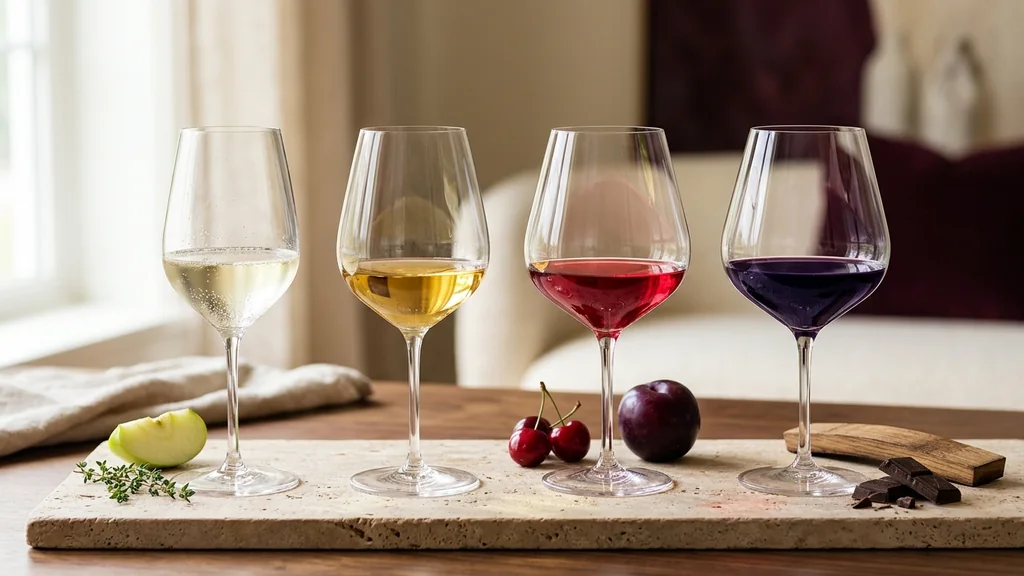
A wine’s flavor profile is defined by four structural pillars perceived on the palate: Body (the weight and viscosity of the liquid), Tannin (the drying, grippy sensation from grape skins), Acidity (the crispness that triggers salivation), and Sweetness (natural residual sugar ranging from dry to sweet). Understanding these four sensory dimensions, which also form the curation standard on Vivino and part of our complete guide to wine , allows you to read any bottle’s profile accurately, recognize why a wine feels light and refreshing or dense and warming, and choose bottles that match your palate and dinner table.
- Body Is Liquid Weight on the Palate: Measured from light to medium to full-bodied. The most accurate analogy is the difference in texture between skim milk, whole milk, and heavy cream on your tongue.
- Tannin Is Not Bitterness, It Is Astringent Texture: Natural polyphenol compounds from grape skins, seeds, and oak barrels bind to salivary proteins, leaving your gums feeling dry and grippy like over-steeped unsweetened black tea.
- Acidity Triggers Fresh Salivation: Natural grape acids (tartaric and malic) provide a crisp structure along the sides of your tongue and keep wine from feeling cloying alongside rich, fatty foods.
- Dry Is the Opposite of Sweet, Not Tannic: A dry wine means nearly all grape sugar has been fermented into alcohol (under 4 grams of sugar per liter), not that the wine is astringent.
- Ripe Fruit Aromas Differ from Sugar Sweetness: Dry wines from warm climates often project aromas of ripe plum or berries that smell sweet on the nose (fruit-forward), even though the liquid is sugar-free on the palate.
- Serving Temperature Alters Flavor Perception: Serving wine too cold accentuates tannic astringency, while serving it too warm makes alcohol feel hot and acidity taste dull.
Why Understanding the 4 Pillars of Wine Flavor Matters
Have you ever stood in front of a wine shop shelf or read a restaurant menu and hesitated at terms like full-bodied , grippy tannins , crisp acidity , or bone-dry ? For many beginners in Indonesia, sommelier terminology can sound intimidating. As a result, many buyers pick a bottle based solely on its label, only to be surprised when the wine in the glass tastes far more astringent or tart than expected.
In enology and international grading standards such as WSET (Wine and Spirit Education Trust) and Vivino’s rating matrix, a wine’s flavor profile is not judged by vague adjectives, but broken down into four measurable physical foundations. When you take a sip, your tongue and mouth process two things at once: tactile structure on the palate (Body, Tannin, Acidity, Sweetness) and retronasal aromas (scents of fruit, flowers, spice, or oak that rise to the back of your nasal passage as you swallow).
Once you master how these four structural pillars work, you no longer need to memorize thousands of labels. By simply checking the scale of Body, Tannin, Acidity, and Sweetness, you can picture the exact sensation on your palate before you even pull the cork.
Pillar 1: Body (Weight and Viscosity on the Palate)
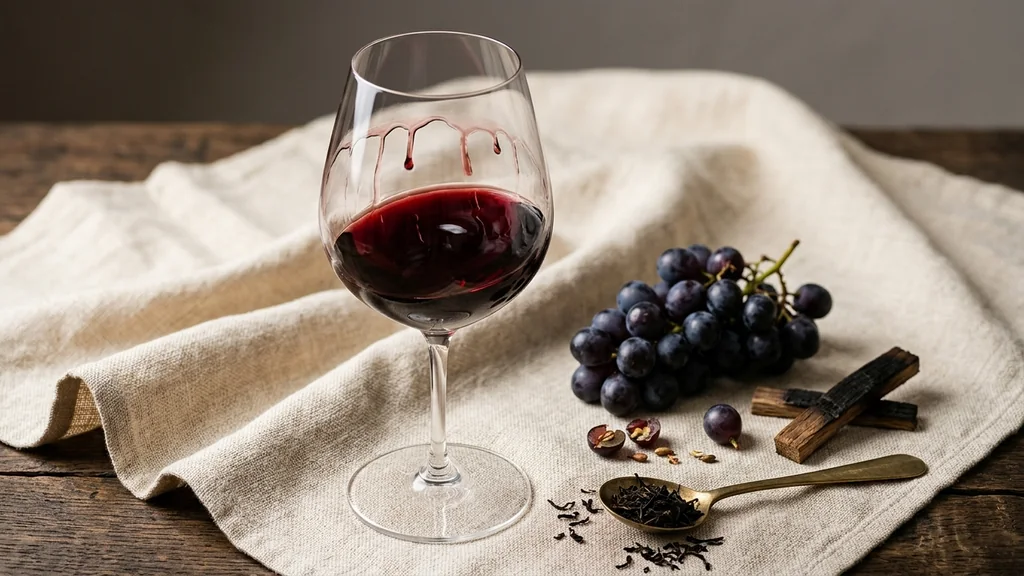
Body in wine is the sensation of weight, density, and viscosity as the liquid coats your tongue and the roof of your mouth. Body is not a taste detected by sweet or sour taste receptors, but the physical perception of volume and weight as you swirl the wine in your mouth before swallowing. The biggest scientific factor determining a wine’s body is its alcohol content (ABV), followed by dissolved dry extract (tannins, sugar, glycerol) and oak barrel aging.
The easiest way sommeliers illustrate differences in wine body is through the three-milk analogy (light, medium, and full):
- Light-Bodied (Scale 1 to 2 out of 5): Feels light, nimble, and fast-flowing across the tongue, similar to young coconut water or skim milk . Typically found in wines under 12.5% ABV from cool-climate regions. Classic examples include Pinot Grigio, German Riesling, Moscato, and thin-skinned reds like Pinot Noir .
- Medium-Bodied (Scale 3 out of 5): Sits comfortably in the middle, neither watery nor heavy on the tongue, similar to whole milk . Most wines between 12.5% and 13.5% ABV fall into this range, including Sauvignon Blanc, Chianti (Sangiovese), and Merlot .
- Full-Bodied (Scale 4 to 5 out of 5): Feels thick, dense, rich, and coats the entire mouth with lasting warmth, similar to heavy cream or full-cream milk. Full-bodied wines almost always have 13.5% to 15.0% ABV and frequently undergo oak aging. Key examples include Cabernet Sauvignon , Australian Shiraz, Argentine Malbec, and Napa Valley Chardonnay with oak aging .
Pillar 2: Tannin (The Secret Behind Astringency and Red Wine Structure)
Tannins in wine are natural organic polyphenol compounds from grape skins, seeds, stems, and oak barrels that create a drying, grippy sensation on your gums and tongue. In Indonesian, this astringent sensation is best described as sepat (astringent). When you sip red wine, tannin molecules biochemically bind to lubricating proteins called mucin in your saliva and precipitate them, stripping away slickness so your mouth feels dry like velvet or fine sandpaper.
To recognize tannin instantly at home, imagine sipping over-steeped unsweetened black tea , or accidentally chewing walnut skins or unripe salak fruit. That drying grip on your inner lips and front gums is pure tannin.
Why Do White Wines Have Almost No Tannin?
The secret lies in winemaking. When producing white wine, grapes are pressed immediately and the juice is separated from skins and seeds before fermentation begins. In red winemaking, the juice ferments in contact with skins and seeds (maceration) for days or weeks. This soaking extracts deep red color while dissolving tannin compounds into the wine.
Distinguishing Tannin Texture: Silky vs. Grippy
Sommeliers evaluate both the amount of tannin (low to high) and its ripeness and grain texture on the palate:
- Soft or Silky Tannins: Tannins feel round, ripe, and flow smoothly without jarring gum grip. Commonly found in thin-skinned grapes like Pinot Noir, Gamay, or warm-climate Merlot.
- Velvety or Plush Tannins: Tannin concentration is actually quite high, but because grapes are harvested at peak phenolic ripeness (such as high-altitude Mendoza Malbec), the texture feels plush like fine velvet.
- Grippy or Structured Tannins: Delivers a firm grip on the gums and sides of the mouth, providing a sturdy backbone that allows the wine to age for decades. Signature to young Cabernet Sauvignon, Nebbiolo (Barolo), and Syrah.
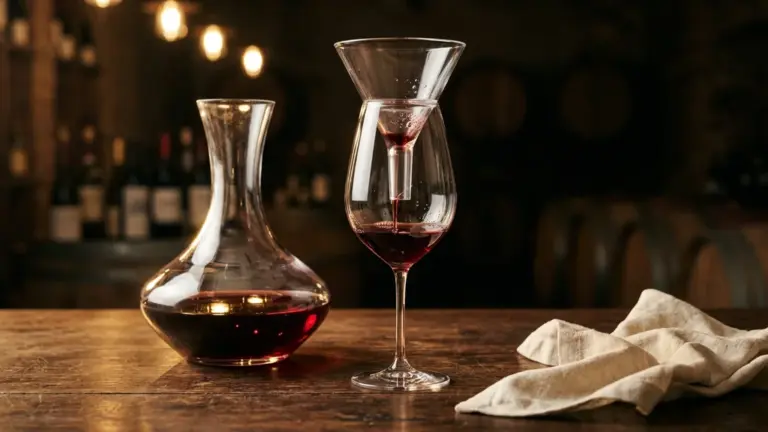
Sommelier Tip to Soften Tannins: The astringent grip of a tight young red wine can be tamed quickly through oxygenation. Compare instant and traditional methods in our guide to wine aerators vs. decanters .
Pillar 3: Acidity (Crispness That Triggers Salivation)
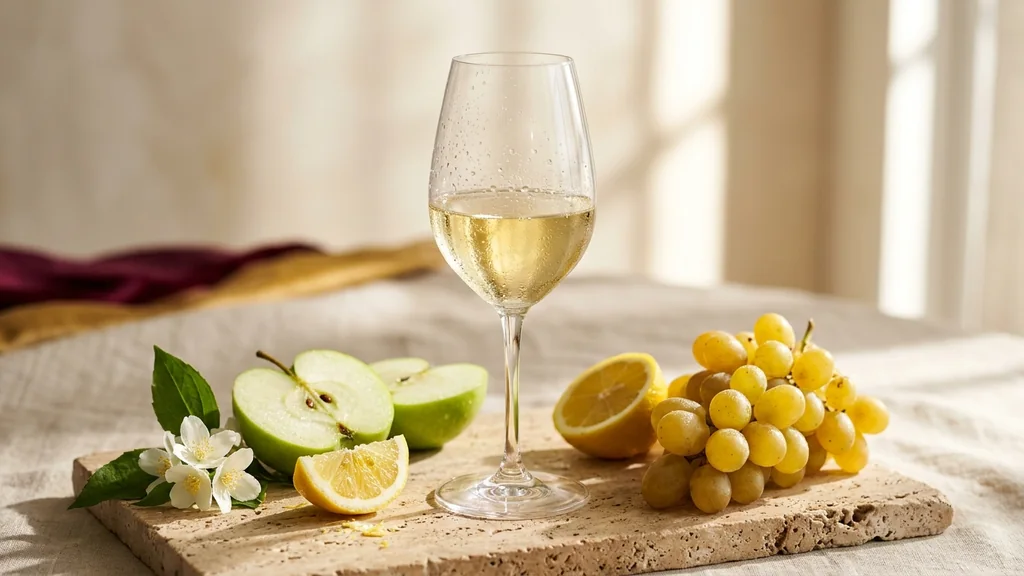
Acidity in wine comes from natural organic acids, primarily tartaric, malic, and citric acid, which give a fresh, crisp sensation and trigger salivation under and along the sides of your tongue. Chemically, all wine sits on the acidic spectrum with a pH between 2.9 (very sharp and tart) and 3.9 (soft and round). Without sufficient acidity, a wine tastes flat, dull, and heavy (called flabby by sommeliers), much like soto or ceviche missing a squeeze of lime.
A wine’s acidity level is shaped heavily by vineyard climate and winery techniques:
- Cool Climate vs. Warm Climate: When grapes grow in cool regions (such as Marlborough in New Zealand, Mosel in Germany, or Chablis in France), cool air preserves high levels of natural malic acid. In hot regions, intense sunlight burns off acidity and converts it into sugar.
- Malic Acid (Sharp) vs. Lactic Acid (Creamy): As detailed in our guide to Sauvignon Blanc vs. Chardonnay , natural malic acid tastes sharp and refreshing like biting into a crisp green apple. However, winemakers can run Malolactic Fermentation (MLF) to convert sharp malic acid into soft, creamy lactic acid ( buttery ).
Pillar 4: Sweetness (The Dry to Sweet Spectrum and Fruit Illusion)
Sweetness in wine is the actual sweet taste perceived on the tip of the tongue from natural grape sugar (Residual Sugar or RS) left unfermented after fermentation stops. During winemaking, yeast consumes natural sugars (glucose and fructose) in grape juice and converts them into alcohol. When yeast is allowed to ferment until all sugar is consumed, the result is a Dry Wine .
Here lies the most common beginner misconception: many assume the word Dry means the wine dries out your mouth through astringency. In reality, Dry is the direct opposite of Sweet , not a synonym for tannic. A white wine like Sauvignon Blanc is bone-dry because it contains no sugar, yet it has zero astringency on the gums.
| Sweetness Category | Residual Sugar (g/L) | Sensation on Tip of Tongue | Popular Wine Examples |
|---|---|---|---|
| Bone-Dry / Brut Nature | Under 1 to 3 grams per liter | Zero trace of sweetness; very dry, clean, and mineral | French Sauvignon Blanc, Chablis, Brut Nature Champagne |
| Dry | 1 to 9 grams per liter | No sugar sweetness, though ripe fruit character still stands out | Cabernet Sauvignon, Merlot, Shiraz, Pinot Noir, Chardonnay |
| Off-Dry (Semi-Dry) | 10 to 35 grams per liter | A gentle touch of sweetness on entry balanced by crisp acidity | German Riesling Kabinett, Alsace Pinot Gris, Prosecco Extra Dry |
| Medium-Sweet (Semi-Sweet) | 35 to 80 grams per liter | Clear fruit sweetness on the palate, approachable for beginners and spicy dishes | Moscato d’Asti, Pink Moscato, Sweet Red Wine, Champagne Demi-Sec |
| Sweet / Luscious (Dessert Wine) | Above 80 to 220 grams per liter | Viscous like honey nectar with intense sugar concentration | Portuguese Port, Sauternes, Late Harvest, Ice Wine |
Why Can a Dry Wine Taste Sweet? (Fruity vs. Sweet)
When tasting an Argentine Malbec or an Australian Shiraz that is technically Dry (under 4 grams of sugar per liter), beginners often remark that the wine tastes slightly sweet. This happens because the human brain combines olfactory and taste signals. Aromas of very ripe dark berries ( jammy fruit ) alongside vanilla and caramel notes from American oak barrels create an aromatic perception of sweetness (fruit-forward) , even though your tongue is not actually tasting residual sugar. If you are looking for bottles with genuine natural sweetness on the palate, explore our curated list of sweet wine recommendations designed specifically for beginners.
Flavor Profile Comparison: 8 Most Popular Wine Varieties
As a quick reference when choosing a bottle from the Peakwine catalog, the table below maps the four flavor pillars of eight of the world’s most popular grape varieties on a standard 1-to-5 scale:
| Grape Variety | Body | Tannin | Acidity | Sweetness | Primary Aroma and Flavor Profile |
|---|---|---|---|---|---|
| Cabernet Sauvignon | 5 / 5 (Full) | 4.5 / 5 (High) | 3 / 5 (Medium) | 1 / 5 (Dry) | Blackcurrant, cassis, cedarwood, and firm, structured tannins |
| Shiraz / Syrah | 5 / 5 (Full) | 4 / 5 (High) | 3 / 5 (Medium) | 1.5 / 5 (Dry) | Blackberry jam, black pepper, dark chocolate, and warm spice |
| Malbec | 4.5 / 5 (Full) | 3.5 / 5 (Velvety) | 3 / 5 (Medium) | 1.5 / 5 (Dry) | Ripe black plum, violet, mocha, and ultra-smooth tannins |
| Merlot | 3.5 / 5 (Medium-Full) | 2.5 / 5 (Soft) | 3 / 5 (Medium) | 1.5 / 5 (Dry) | Red cherry, soft plum, vanilla, and an approachable palate |
| Pinot Noir | 2 / 5 (Light) | 1.5 / 5 (Low) | 4 / 5 (High) | 1 / 5 (Dry) | Cranberry, wild strawberry, hibiscus, and earthy mushroom |
| Chardonnay (Oaked) | 4 / 5 (Medium-Full) | 1 / 5 (None) | 3 / 5 (Medium) | 1.5 / 5 (Dry) | Ripe yellow apple, roasted pineapple, creamy butter, and vanilla |
| Sauvignon Blanc | 2 / 5 (Light-Medium) | 1 / 5 (None) | 5 / 5 (Very High) | 1 / 5 (Bone-Dry) | Passion fruit, lime, crisp green apple, and fresh herbs |
| Moscato | 1.5 / 5 (Light) | 1 / 5 (None) | 3.5 / 5 (Crisp) | 4.5 / 5 (Sweet) | Peach, lychee, jasmine blossom, and sweet freshness with gentle fizz |
How to Identify Wine Flavor Profiles on the Palate: The 5-Second Sommelier Technique
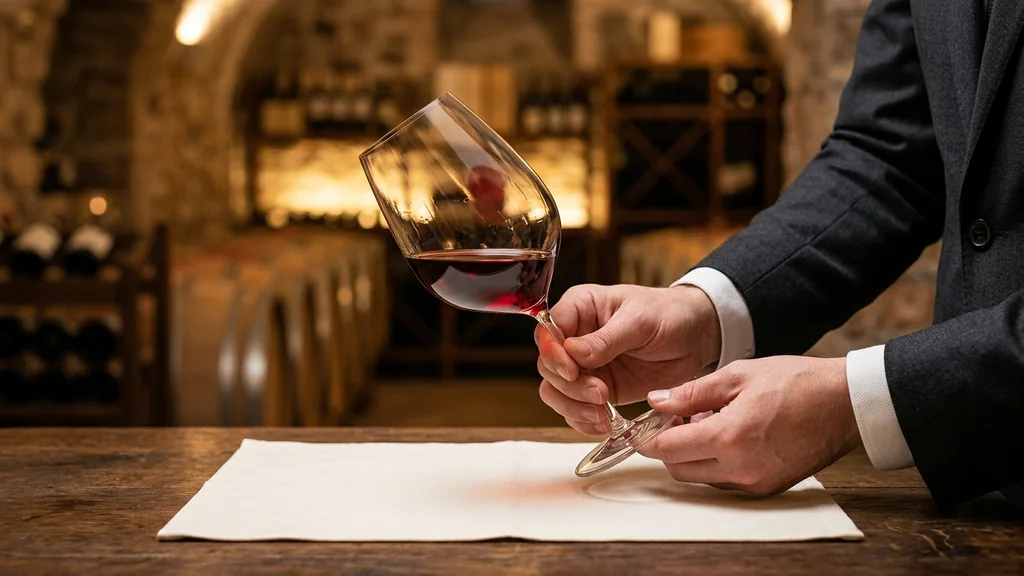
When you take a sip of wine, the four flavor pillars unfold sequentially from the first second the liquid touches the tip of your tongue to several seconds after you swallow. Use this 5-second chronological guide to dissect wine like a professional sommelier:
- Second 1 (Tip of the Tongue, Detect Sweetness): As soon as the wine enters your mouth, notice the first sensation at the tip of your tongue. Does it immediately feel caressingly sweet like fruit nectar (indicating residual sugar ), or does it feel clean and sugar-free ( dry )?
- Second 2 (Mid-Palate, Evaluate Body): Gently swirl the wine to coat your entire tongue and the roof of your mouth. Assess its weight and viscosity: does it flow lightly like water ( light-bodied ) or feel rich and dense across the palate ( full-bodied )?
- Second 3 (Sides of the Tongue and Jaw, Measure Acidity): Pay attention to the response along the left and right edges of your tongue. The stronger the crisp, tingling sensation that triggers salivation after you swallow, the higher the wine’s acidity .
- Second 4 (Upper Gums and Inner Lips, Assess Tannin): Focus on your upper front gums and the surface of your tongue. If that area feels astringent and dry, notice the texture: is it as smooth as velvet or firmly gripping?
- Second 5 and Beyond (Back of the Throat, Evaluate Finish and Alcohol): After swallowing, exhale slowly through your nose. Feel the warmth of the alcohol at the back of your throat and count how long the trail of fruit, spice, or mineral flavor lingers ( length of finish ). High-quality wines deliver a harmonious finish that lasts 15 to 30 seconds or more.
As an important note, your palate’s perception of these four pillars depends heavily on wine serving temperature . If a high-tannin red wine is served too cold (below 12°C), the tannins tighten and taste far more astringent and bitter. Conversely, if a white wine is served too warm in tropical room temperatures, its acidity loses crispness and the alcohol dominates. Always savor wine slowly, keep a glass of water alongside your wine glass to stay hydrated, and drink responsibly if you are 21 years of age or older.
6 Wine Recommendations by Flavor Profile at Peakwine
To help you put these sensory principles into practice across every spectrum, the Peakwine sommelier team has selected 6 representative bottles officially available in our catalog:
Frequently Asked Questions About Wine Flavor Profiles (FAQ)
Many beginners assume the word dry means astringent or grippy, yet the two are completely different. Dry measures sweetness, meaning yeast has fermented nearly all grape sugar into alcohol so the wine does not taste sweet (residual sugar below 4 grams per liter). By contrast, the drying, puckering sensation on the gums comes from polyphenol compounds called tannins from red grape skins and seeds. As proof, a white wine like Sauvignon Blanc is bone-dry (not sweet at all) but contains virtually no tannins and never feels astringent.
The key lies in how your salivary glands and gums respond. Tannin is a tactile sensation that binds to saliva proteins, leaving your upper gums and tongue feeling dry, grippy, and puckered like drinking strong unsweetened black tea. Acidity, on the other hand, stimulates the salivary glands under and along the sides of your tongue to produce fresh saliva automatically, just like biting into a green apple or squeezing fresh lime.
Body is the sensation of weight, richness, and viscosity as wine coats your mouth, driven primarily by alcohol level (ABV), dry extract, and glycerol. The easiest analogy is comparing milk on the palate: Light-bodied feels crisp and delicate like skim milk (for example, Pinot Noir or Pinot Grigio under 12.5% ABV); Medium-bodied feels balanced like whole milk (such as Merlot or Sauvignon Blanc at 12.5% to 13.5% ABV); and Full-bodied feels rich, dense, and warming like heavy cream (such as Cabernet Sauvignon, Malbec, or Shiraz above 13.5% ABV).
This happens because the human brain often associates ripe fruit aromas (fruity) with sugar sweetness (sweet). Wines from warm-climate regions such as Argentina, Australia, or California are harvested at high sun-ripened maturity. Even after all sugar is fermented out to a dry level, the wine still releases aromas of blackberry jam, ripe plum, and vanilla from oak barrels that create a friendly illusion of sweetness on the palate.
For beginners tasting wine for the first time who are not yet used to astringency, start with a sweet, low-tannin wine such as Moscato d’Asti or Sababay Moscato d’Bali. If you want to jump straight into an elegant dry red wine without harsh gum grip, choose a variety with velvety, smooth tannins such as Pinot Noir, Merlot, or a young Argentine Malbec, and serve it slightly cool (15°C to 17°C).
Explore Curated Selections for Your Cellar
Authentic wines, spirits, and sake personally curated by our sommelier team with verified provenance and climate-controlled delivery.
Wine Guide Collection
Over 1,300+ red, white, and sparkling wines from acclaimed global producers.
Explore Wine Catalog → Premium SpiritsWhisky, Gin, and Vodka
Rare single malts, blended Scotch, artisan gin, and 100% agave tequila.
Explore Spirits Catalog → Cold-Chain GuaranteedSake and Asian Drinks
Authentic Japanese Daiginjo, Ginjo, Junmai sake and chilled Korean soju.
Explore Sake Collection → Instant Delivery22+ Official Outlets
Find the nearest Peakwine cellar outlet in Bandung and Jakarta for direct pickup.
Find Store Locations →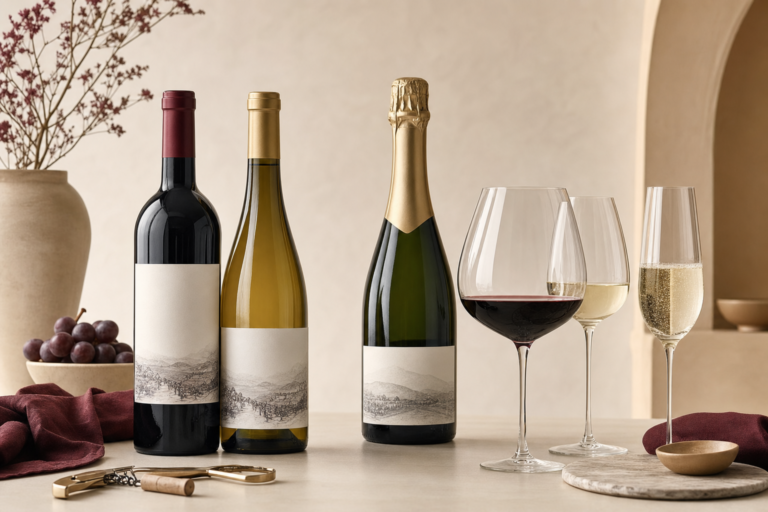


 By Wine Style
 Red Wine
 White Wine
 Sparkling Wine & Champagne
 Rosé Wine
 Dessert & Sweet Wine
 Fortified & Port Wine
 By Grape Variety
 Cabernet Sauvignon
 Shiraz
 Chardonnay
 Merlot
 Sauvignon Blanc
 Pinot Noir
 Tempranillo
 Sangiovese
 Malbec
 Grenache
 Semillon
 Primitivo
 Moscato
 Carmenere
 Riesling
 Pinot Grigio
 By Country & Region
 Australia
 France
 Chile
 Indonesia
 Italy
 Argentina
 Spain
 United States
 Portugal
 South Africa
 New Zealand
 Japan
 Germany
 By Taste & Sweetness
 Full-Bodied Wine
 Medium-Bodied Wine
 Light-Bodied Wine
 Sweet & Fruity Wine
 Dry Wine
 Curated Collections
 Best Sellers
 Everyday Value (< 500k)
 Reserve & Cellar

 Whisky & Whiskey
 Single Malt Scotch
 Blended Scotch
 Bourbon & Tennessee
 Japanese Whisky
 Irish Whiskey
 Gin
 London Dry Gin
 Dry Gin
 Tequila & Mezcal
 Vodka
 Premium & Craft Vodka
 Indonesian Vodka
 Rum
 White Rum
 Dark Rum
 Brandy Cognac
 Armagnac
 Liqueur
 Traditional Spirit


