

Understanding Pinot Noir: Flavor Profile, Why It Costs More, and Top Bottle Picks


📖 Table of Contents ▼
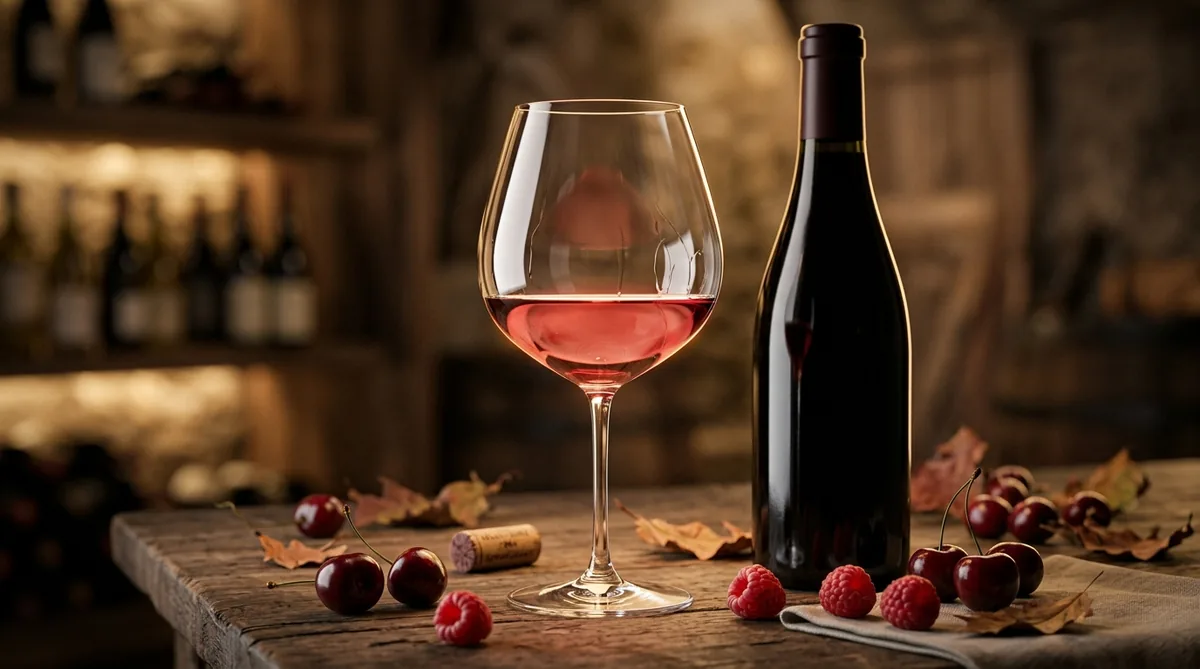
Pinot Noir is the world’s most elegant, light-bodied, and aromatic red wine grape, known for its translucent ruby-red color, silky tannins, and crisp acidity driven by red cherry, raspberry, and forest floor notes. Unlike heavy, dense reds with grippy tannins, Pinot Noir feels weightless on the palate. That precision makes it a benchmark for collectors and a versatile partner at the dinner table.
Burgundy origins and The Heartbreak Grape nickname
Among winemakers (vignerons) worldwide, Pinot Noir carries a legendary and feared reputation: The Heartbreak Grape . This nickname is not poetic exaggeration, but a biological reality in viticulture.
Pinot Noir grapes have remarkably thin skins and tightly packed clusters. This makes the vines highly susceptible to powdery mildew, gray rot (botrytis cinerea), sunburn, and spring frost. The grape also reacts sharply to daily temperature swings.
If planted in a climate that is too warm, Pinot Noir ripens too fast, loses its crisp acidity, and turns into a jammy, unstructured wine. If the climate is too cold, the fruit fails to ripen and tastes tart and vegetal. Pinot Noir demands a cool climate with long, gentle sunshine, as found on the slopes of Côte d’Or in Burgundy, Marlborough in New Zealand, Willamette Valley in Oregon, and coastal Leyda Valley in Chile.
Why Pinot Noir tends to cost more on the market
Many newcomers wonder why a quality bottle of Pinot Noir often carries a higher price tag than other popular reds. Three real agricultural and economic factors explain this:
- Low Yield per Hectare: To concentrate flavor and aroma in its thin skins, growers limit the number of clusters per vine. Yields per hectare for Pinot Noir are far lower than for Cabernet Sauvignon or Syrah or Shiraz, keeping bottle supply tight.
- Intensive Vineyard Labor: Because tight clusters invite fungal disease, vineyards require careful manual canopy management and leaf thinning throughout the growing season to maintain airflow and sunlight.
- Terroir Prestige and Land Scarcity: Cool-climate terroir capable of producing top Pinot Noir is scarce worldwide. Centuries of history in Burgundy have mapped individual vineyard plots (climats) with precision, yielding iconic collector bottles like Domaine de la Romanée-Conti (DRC) that can reach hundreds of millions of rupiah per bottle.
Vivino’s 5-pillar sensory profile for Pinot Noir
Across international sommelier standards and the Vivino community, Pinot Noir is classified as a light-to-medium bodied red wine. Its sensory profile breaks down into five objective pillars:
Pinot Noir’s signature visual trait is its pale ruby-red color, which looks translucent when tilted against white light. Its thin skins contain fewer anthocyanin pigments than thick-skinned grapes. Despite its light appearance, the aromas are complex and linger on the nose.
Comparison table: Pinot Noir vs Cabernet Sauvignon vs Merlot
To see where Pinot Noir stands among the world’s noble red grapes, review the scientific comparison below. You can also read our in-depth guides on Cabernet Sauvignon characteristics and Merlot grape characteristics for a complete reference:
| Scientific Trait | Pinot Noir | Cabernet Sauvignon | Merlot |
|---|---|---|---|
| Body | Light-to-Medium (Light and Elegant) | Full-Bodied (Heavy and Structured) | Medium-to-Full Bodied (Plush) |
| Tannin Profile | Low to Medium, Silky Smooth | High, Dense, Firmly Grippy | Medium, Soft and Velvety |
| Acidity | High and Crisp (4 out of 5) | Medium to High (3.5 out of 5) | Medium and Soft (3 out of 5) |
| Color Spectrum | Translucent Ruby Red | Deep, Opaque Purple-Red | Deep Garnet with Soft Rim |
| Dominant Aroma Profile | Red cherry, raspberry, damp earth, mushroom | Blackcurrant, black plum, cedarwood, tobacco | Sweet plum, ripe black cherry, cocoa powder |
| Vineyard Climate | Cool Climate | Warm to Moderate Climate | Moderate Climate, Clay-Friendly |
Regional styles: Old World Burgundy vs New World Pinot Noir
Pinot Noir reflects where it is grown more than almost any other grape. Knowing the difference between Old World and New World styles helps you pick the right bottle:
1. Old World Style (Burgundy, France and Germany)
Pinot Noir from its birthplace in Burgundy, France (labeled Bourgogne Rouge ) and Germany (known as Spätburgunder ) expresses a terroir-driven, earthy character. Rather than sweet fruit, you get damp forest floor (sous-bois), wild mushroom and truffle, dried rose petals, and chalky limestone minerality. Acidity is brisk and tannins are tightly structured.
2. New World Style (New Zealand, California, Chile, and Australia)
New World Pinot Noir receives brighter sunshine even within cool-climate zones. The result is a more fruit-forward profile. Expect ripe red cherry, fresh strawberry jam, and sweet baking spices like cinnamon or vanilla from oak aging. These wines are approachable and rewarding to drink young.
Food pairing science: Best dishes for Pinot Noir
Among all red wines, Michelin-starred chefs regard Pinot Noir as the most versatile food-pairing wine. Its high natural acidity cuts through richness on the palate, while its silky tannins never overpower delicate dishes.
1. Classic International Pairings
- Roasted Duck: This is one of the finest pairings in the culinary world. Duck meat carries a rich layer of savory fat. Pinot Noir’s bright acidity slices through the richness, while its red cherry notes complement crispy roasted skin (see our full Chinese food wine pairing guide ).
- Grilled Salmon and Seared Tuna: Few red wines work with seafood. Heavy reds like Cabernet clash with fish oils and create a metallic taste. Low-tannin Pinot Noir pairs cleanly with butter-seared salmon.
- Mushroom and Truffle Dishes: Pinot Noir’s earthy forest-floor notes resonate naturally with mushroom risotto, truffle pasta, or sauteed portobello.
2. Harmony with Indonesian Cuisine
Pinot Noir pairs well with savory Indonesian dishes that rely on rich aromatics rather than searing chili heat:
- Chicken Satay with Sweet Soy Sauce: Charred chicken glazed with sweet soy sauce, shallots, and fresh tomato balances cleanly against Pinot Noir’s red fruit and crisp acidity.
- Bebek Betutu and Crispy Fried Duck: The savory Balinese spices in crispy duck feel refreshed on the palate between sips of chilled Pinot Noir.
- Clear Beef Broth Soup with Mushrooms: Spiced beef broth seasoned with nutmeg and white pepper finds a light, refreshing partner in Pinot Noir.
Serving etiquette: Ideal temperature, Burgundy glass, and aeration
Because its aromatic structure is delicate, Pinot Noir requires proper serving habits to preserve its elegance:
- Ideal Serving Temperature (14°C to 16°C): Never serve Pinot Noir at tropical Indonesian room temperature (28°C-30°C), as heat makes alcohol evaporate sharply and masks fruit aromas. Chill the bottle in the lower fridge for 30 to 45 minutes before pouring to hit the sommelier sweet spot.
- Burgundy Crystal Glass: Serve Pinot Noir in a Burgundy Glass (a wide, balloon-shaped bowl that tapers slightly at the rim). This broad bowl gives volatile aromatics room to open up and funnels them straight to your nose. Learn more in our guide to wine glass types and their functions .
- Breathing Time (Aeration): For young New World Pinot Noir, give the wine 15 to 20 minutes of air in the bottle or glass. Avoid decanting for hours, as fragile Pinot Noir aromatics can dissipate quickly.
Curated 5 best Pinot Noir bottles at Peakwine
The Peak Connoisseurs has curated five Pinot Noir bottles from around the world, all officially stocked and ready for delivery to your door:
Lindemans Bin 99 Elegant Pinot Noir 2019
The most budget-friendly bottle to start your Pinot Noir journey. Sourced from South Eastern Australia, it offers bright red cherry fruit, gentle sweet spice, and very soft tannins with no harsh astringency.
Beringer Founders’ Estate Pinot Noir 2015
A classic New World California expression packed with ripe fruit. Expect fresh strawberry, red raspberry, and soft sweet vanilla from aging in American oak barrels.
Matua Marlborough Pinot Noir 2022
New Zealand is a modern benchmark for cool-climate Pinot Noir. Matua Marlborough delivers crisp cranberry and red cherry acidity with lively energy, followed by damp earth and subtle spice on a refined finish.
Ventisquero Grey Pinot Noir 2021
Sourced from coastal vineyards in the Leyda Valley cooled directly by Pacific Ocean breezes, this wine delivers pronounced minerality, savory spice notes, and layered red fruit flavors with a plush, velvety texture.
Domaine Chanson Le Bourgogne Pinot Noir 2013
An ideal choice for anyone seeking authentic Pinot Noir from its ancestral home in Burgundy, France. It shows a classic pale ruby color with aromas of wild mushrooms, forest floor (sous-bois), and crisp acidity that carries through a long, graceful finish.
Frequently asked questions about Pinot Noir
What is the main difference between Pinot Noir and Cabernet Sauvignon?
The main differences lie in body, tannin, and color. Pinot Noir is light-bodied, thin-skinned, and translucent ruby red, with fine-grained tannins and crisp acidity. By contrast, Cabernet Sauvignon is full-bodied, deep purple in color, and high in tannins that create a firm, drying grip on the gums.
Why is Pinot Noir much paler in color than other red wines?
Red wine gets its color from natural pigments called anthocyanins, which are extracted from grape skins during maceration. Because Pinot Noir grapes have very thin skins and naturally low pigment levels, the resulting wine is always bright ruby red and translucent.
Does Pinot Noir taste sweet?
No. The vast majority of Pinot Noir wines are bone-dry, with very low natural residual sugar (less than 2 grams per liter). Any impression of sweetness on the palate comes from ripe fruitiness, such as fresh red cherry and raspberry aromas, rather than actual sugar content.
How long does a bottle of Pinot Noir last after opening?
Because Pinot Noir is thin-skinned and lower in tannins, it is more sensitive to oxygen exposure than Cabernet Sauvignon. Once opened and stored in the refrigerator with an airtight stopper, Pinot Noir is best enjoyed within 2 to 3 days before its fresh aromas begin to fade.
Why is Pinot Noir called The Heartbreak Grape?
Vineyard growers gave it this nickname because Pinot Noir is notoriously difficult to cultivate. The vine is prone to fungal diseases, vulnerable to extreme weather, and demands a precise cool climate to produce high-quality fruit.
Explore Curated Selections for Your Cellar
Authentic wines, spirits, and sake personally curated by our sommelier team with verified provenance and climate-controlled delivery.
Wine Guide Collection
Over 1,300+ red, white, and sparkling wines from acclaimed global producers.
Explore Wine Catalog → Premium SpiritsWhisky, Gin, and Vodka
Rare single malts, blended Scotch, artisan gin, and 100% agave tequila.
Explore Spirits Catalog → Cold-Chain GuaranteedSake and Asian Drinks
Authentic Japanese Daiginjo, Ginjo, Junmai sake and chilled Korean soju.
Explore Sake Collection → Instant Delivery22+ Official Outlets
Find the nearest Peakwine cellar outlet in Bandung and Jakarta for direct pickup.
Find Store Locations →


 By Wine Style
 Red Wine
 White Wine
 Sparkling Wine & Champagne
 Rosé Wine
 Dessert & Sweet Wine
 Fortified & Port Wine
 By Grape Variety
 Cabernet Sauvignon
 Shiraz
 Chardonnay
 Merlot
 Sauvignon Blanc
 Pinot Noir
 Tempranillo
 Sangiovese
 Malbec
 Grenache
 Semillon
 Primitivo
 Moscato
 Carmenere
 Riesling
 Pinot Grigio
 By Country & Region
 Australia
 France
 Chile
 Indonesia
 Italy
 Argentina
 Spain
 United States
 Portugal
 South Africa
 New Zealand
 Japan
 Germany
 By Taste & Sweetness
 Full-Bodied Wine
 Medium-Bodied Wine
 Light-Bodied Wine
 Sweet & Fruity Wine
 Dry Wine
 Curated Collections
 Best Sellers
 Everyday Value (< 500k)
 Reserve & Cellar

 Whisky & Whiskey
 Single Malt Scotch
 Blended Scotch
 Bourbon & Tennessee
 Japanese Whisky
 Irish Whiskey
 Gin
 London Dry Gin
 Dry Gin
 Tequila & Mezcal
 Vodka
 Premium & Craft Vodka
 Indonesian Vodka
 Rum
 White Rum
 Dark Rum
 Brandy Cognac
 Armagnac
 Liqueur
 Traditional Spirit


