

Chinese Food Wine Pairing Guide: From Dim Sum and Roast Duck to Savory Seafood


📖 Table of Contents ▼
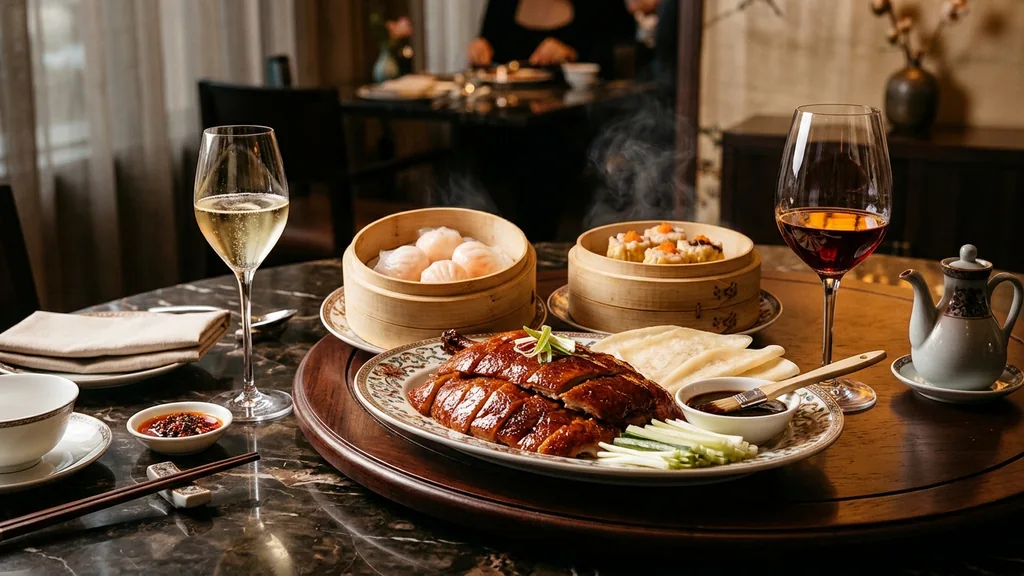
Chinese food wine pairing is the art of matching a culinary spectrum rich in sweet-savory sauces, ginger and sesame oil, five-spice powder, and chili oil heat with wines that offer crisp acidity, active carbonation, silky tannins, or a touch of natural residual sugar. Many diners mistakenly apply classic Western pairing rules at Chinese restaurants, such as ordering a heavily tannic Cabernet Sauvignon alongside roast duck or pork. In reality, the sugar in hoisin sauce and the fermented salinity of soy sauce make heavy red wine tannins taste bitter, astringent, and metallic on the palate. Instead, off-dry Riesling, zesty citrus-driven Sauvignon Blanc, fat-cutting Brut sparkling wine, and bright red-fruited Pinot Noir are the true heroes at the round banquet table.
- The Sweet and Savory Sauce Challenge: Classic Chinese sauces like hoisin, plum, and sweet-and-sour carry significant sugar; avoid dry, high-tannin red wines because they turn bitter and hollow out the fruit.
- The Magic of Sparkling Wine Bubbles: Brut sparkling wines (such as Champagne or Cava) are the most versatile partners for cutting through the oil and fat of fried dim sum, crispy roast pork belly (siobak), and Peking duck.
- Aromatic White Wines for Dim Sum: Steamed dim sum like har gow and shrimp siu mai shine brightest alongside Sauvignon Blanc or dry Riesling with palate-cleansing citrus acidity.
- Pinot Noir as the King of Oriental Reds: When you want a red wine for sweet-glazed roast meats (char siu and roast duck), choose a red-fruited Pinot Noir with silky tannins that will not clash with soy sauce.
- Taming Spicy Sichuan Mala Heat: Fiery dishes rich in chili oil and Sichuan peppercorns require a wine with slight natural sweetness (off-dry Riesling or Traminer Riesling) and low alcohol so it does not burn the throat.
- The Round Table (Family-Style) Strategy: When sharing multiple dishes simultaneously on a lazy Susan, keep two flexible bottles on the table: one chilled Brut sparkling wine and one Pinot Noir or Riesling.
The Science of Flavor Challenges: Why Western Pairing Rules Fail at the Chinese Table
In European gastronomy, wine pairing relies on a course-by-course structure where sweetness is reserved for dessert and savory sauces are built on stock or butter. By contrast, Chinese cuisine is built on the harmony of five core flavors: sweet, sour, salty, bitter, and spicy, which often appear simultaneously on a single plate.
Here are the four biochemical flavor pillars of Chinese cooking to understand before opening a bottle of wine.
- 1. Sugar Content in Caramelized Sauces and Glazes: From hoisin sauce on Peking duck and honey on char siu to sweet-and-sour sauce on crispy fish, sugar is a primary flavor binder. In sommelier tasting science, when food is sweeter than the wine, a dry, high-tannin wine becomes distorted: its fruit vanishes, its acidity turns sharp, and its tannins taste harshly bitter.
- 2. Aromatic Spice Complexity (Ginger, Scallion, and Sesame Oil): Toasted sesame oil, young ginger, scallions, and five-spice powder (star anise, clove, cinnamon, Sichuan peppercorn, and fennel seed) carry concentrated volatile aromatics. A delicate, neutral wine will be completely overwhelmed by these dishes.
- 3. Lipid Layers of Oil and Crispy Fat: Signature Chinese techniques such as deep-frying, high-heat wok hei stir-frying, and roasting leave a rich coating of oil and fat on the tongue. Without high acidity or active carbonation to cut through that lipid layer, the palate quickly experiences sensory fatigue.
- 4. The Reaction Between Capsaicin and Alcohol: Sichuan and Hunan dishes rely heavily on dried chilies and chili oil. Capsaicin triggers heat receptors (TRPV1) in the mouth. If you pair these dishes with a high-alcohol red wine (above 14.5% ABV), the alcohol amplifies the burning sensation until it feels painful.
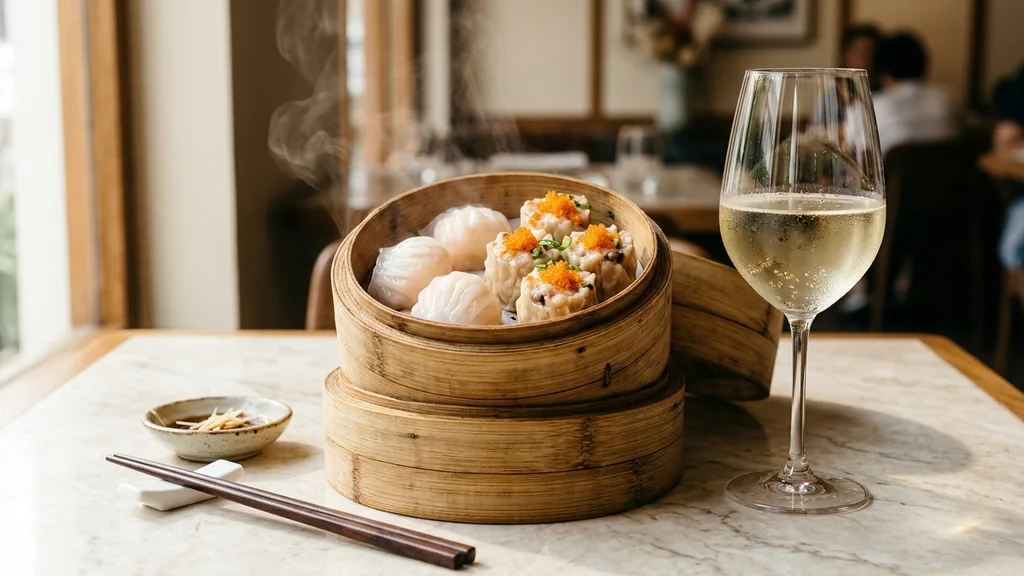
Dim Sum and Steamed Dishes: Crisp White Wine and Brut Sparkling
The tradition of yum cha (tea and small bites) has thrived for centuries across Canton and Hong Kong. Swapping jasmine tea for the right wine turns a casual lunch into a refined dining experience.
1. Har Gow (Shrimp Dumplings) and Steamed Siu Mai
Well-made har gow features a translucent wrapper encasing snappy, naturally sweet shrimp. The ideal partner is a crisp, high-acid Sauvignon Blanc from New Zealand. Its zesty lime, passionfruit, and fresh herbal notes act like a squeeze of fresh lemon over seafood to bring out the shrimp’s natural sweetness and scrub away sesame oil. For richer pork-and-shrimp siu mai, Sauvignon Blanc keeps every bite light and refreshing.
2. Xiao Long Bao (Shanghai Soup Dumplings)
Eating xiao long bao is a ritual of precision: nibble the delicate skin, sip the rich, gelatinous pork broth, and finish the filling with julienned ginger and Chinkiang black vinegar. The best match for this savory broth is a Brut sparkling wine such as Spanish Cava or Champagne. Fine, active bubbles dissolve the broth’s richness on the tongue, while natural acidity pairs cleanly with the black vinegar.
3. Cheong Fun (Steamed Rice Noodle Rolls)
Whether filled with shrimp, minced beef, or crispy crullers (zha liang), cheong fun always arrives bathed in fragrant sweet soy sauce. A round, aromatic white wine like dry Riesling or Pinot Grigio balances the silky rice-flour texture and sweet-salty soy without overpowering the dish.
Chinese Roast Meats (Siu Mei): Harmony with Peking Duck, Char Siu, and Siobak
Cantonese restaurant windows lined with golden roast duck and lacquered red pork are among the most appetizing sights in dining. This is also where many wine lovers hesitate between red and white.
1. Peking Duck
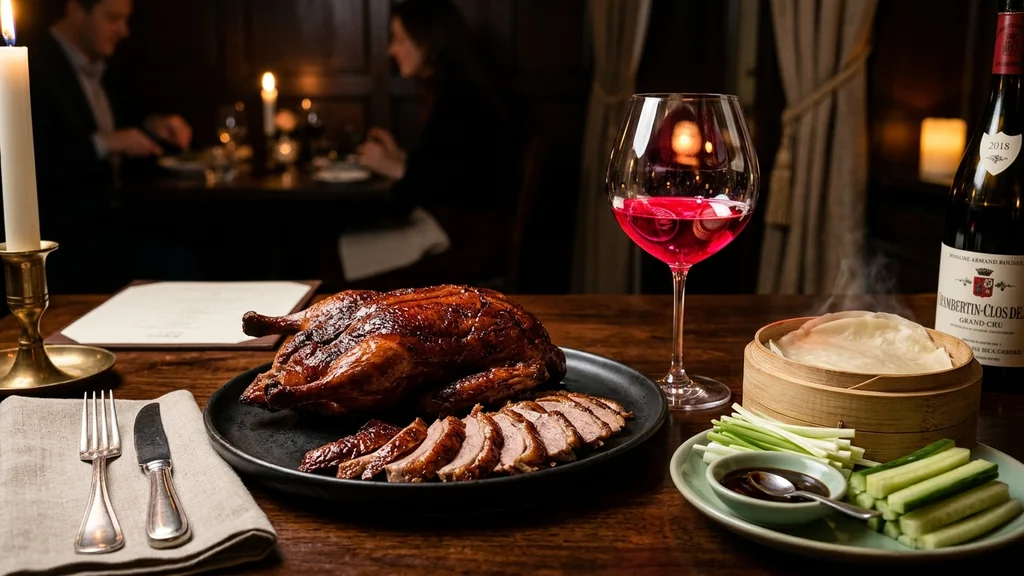
Peking duck is a study in texture: paper-thin, crispy, fat-rich skin wrapped in a warm steamed pancake with crisp cucumber, scallions, and sweet, concentrated hoisin sauce. Why is Pinot Noir its legendary partner ? Pinot Noir offers silky tannins and bright red-fruit acidity (red cherry, cranberry, wild raspberry). Its fresh acidity slices through the fat beneath the duck skin, while its red fruit bridges the sweetness of hoisin sauce without turning bitter. Earthy undertones in Pinot Noir also echo the five-spice aromatics infused into the meat.
2. Char Siu (Honey-Glazed BBQ Pork)
Char siu is roasted with a caramelized glaze of honey, five-spice powder, rice wine, and red fermented bean curd, delivering intense sweet-savory depth. The best match is a medium-bodied red wine with ripe fruit and gentle spice, such as a New World Pinot Noir or an aromatic Traminer Riesling blend.
3. Siobak (Crispy Roasted Pork Belly)
Siobak demands maximum fat-cutting power: blistered, shattering skin, melt-in-the-mouth fat, and savory, spiced pork. Standard red wines feel heavy alongside it. The top sommelier choice is a low-sugar Brut sparkling wine . High-pressure carbonation acts like thousands of micro-scrubbers that clear oil residue from the palate, keeping the crackling crisp on every bite.
Savory Seafood and Sweet-and-Sour Sauces: Steamed Fish and Crispy Gourami
Chinese seafood mastery relies on pristine ingredients and exact heat control. Pairing these dishes requires a wine that respects the delicacy of fresh fish.
1. Cantonese Steamed Marble Goby or Grouper with Soy Sauce
Live grouper or marble goby flash-steamed with sliced ginger, dressed in seasoned sweet soy sauce, and finished with sizzling scallion oil is the pinnacle of Cantonese finesse. The flesh is tender, sweet, and fragrant with fresh ginger. Avoid heavily oaked white wines, as vanilla oak clashes with soy sauce. Choose chilled Sauvignon Blanc, Pinot Grigio, or unoaked Chardonnay so the delicate fish remains the star.
2. Sweet-and-Sour Gourami and Lemon Prawns
Sweet-and-sour sauce combines tomato paste, pineapple, vinegar, and sugar in a bold, punchy glaze. Dry wines without strong fruit concentration taste flat and sour next to it. The most compelling partners are aromatic wines with a touch of residual sugar, such as Australian Traminer Riesling or German Riesling Kabinett. Peach, apricot, and lychee notes in the wine lock in cleanly with the tangy pineapple sauce.
3. Salt-and-Pepper Squid and Crispy Cereal Prawns
Lightly battered squid tossed with bird’s eye chili, fried garlic, and seasoned salt, as well as buttery cereal prawns with curry leaves, pair effortlessly with chilled Brut sparkling wine or zesty Sauvignon Blanc to balance the rich toasted butter.
Taming Spicy Sichuan Dishes and Black Pepper Beef
Southwest China’s Sichuan cuisine wakes up the palate through the dual sensation of ‘Ma’ (numbing Sichuan peppercorn) and ‘La’ (fiery chili heat). Meanwhile, black pepper beef stir-fry brings warm, pungent spice.
1. Sichuan Mala Hotpot and Kung Pao Chicken
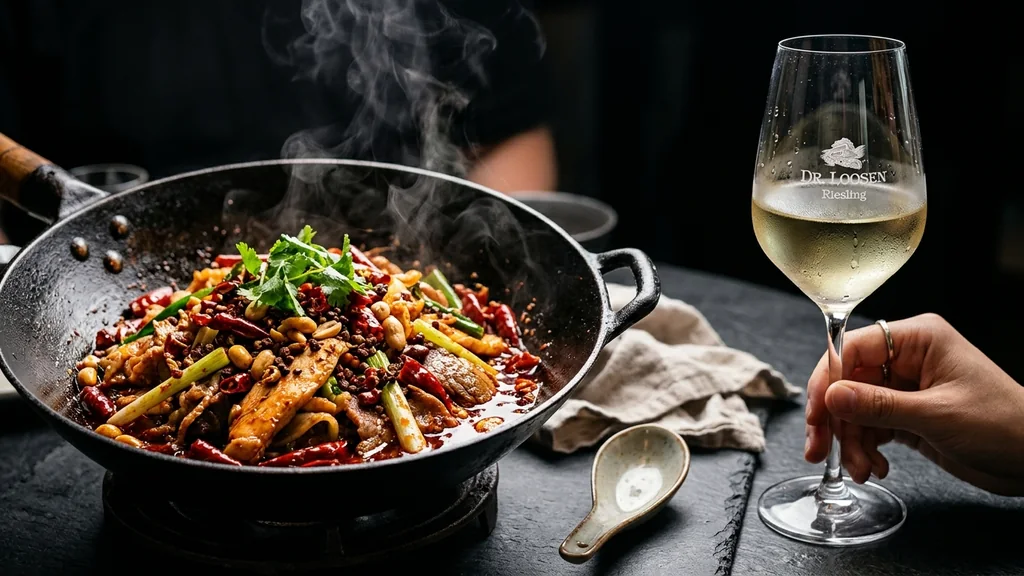
Sichuan peppercorns contain hydroxy-alpha-sanshool, which makes the tongue tingle and go numb, while red chili oil delivers sharp heat. The most effective tool in the wine world for taming mala is an off-dry (semi-sweet) Riesling from Germany. Natural white peach and green apple sweetness coats the tongue and calms capsaicin burn much like milk, while brisk natural acidity washes chili oil off the palate. Serve the bottle well chilled (6 to 8°C) for maximum cooling relief.
2. Black Pepper Beef Stir-Fry
For savory, deeply caramelized black pepper beef with warm spice, bold red wine finally gets its moment. The ideal match is a bold, fruit-driven Australian Shiraz . Shiraz grapes naturally contain rotundone, a compound that expresses cracked black pepper alongside ripe blackberry fruit. The warm peppercorn spice in the beef merges cleanly with the peppery notes in the Shiraz.
Head-to-Head Comparison: 6 Chinese Dishes and Wine Recommendations
Here is a quick-reference pairing matrix for popular Chinese dishes and top wine styles, standardized by Peakwine sommeliers.
| Chinese Dish | Key Flavor Profile | Sensory Challenge | Ideal Wine Recommendation | Sommelier Pairing Principle |
|---|---|---|---|---|
| Steamed Dim Sum (Har Gow and Siu Mai) | Sweet fresh shrimp, sesame oil, tender bouncy texture | Sesame oil coats the tongue and delicate shrimp flavor is easily masked | Sauvignon Blanc or Sparkling Brut | Crisp citrus acidity lifts sweet seafood and cleanses sesame oil |
| Peking Duck | Crispy fat-rich skin, sweet concentrated hoisin sauce, five-spice | Sweet sauce turns dry red wine tannins harshly bitter | Pinot Noir or Champagne Brut | Silky Pinot Noir tannins avoid clashing with sauce; bright red cherry cuts duck fat |
| Crispy Roast Pork Belly (Siobak) | Shattering crackling skin, rich savory fat, salty spice rub | High saturated fat quickly causes palate fatigue | Cava Clásico Brut or Prosecco DOC | High-pressure carbonation dissolves fat and preserves crackling crispness |
| Steamed Grouper with Soy Sauce | Sweet, tender white fish, ginger broth, aromatic soy sauce | Soy sauce and ginger clash with heavy oak aromas in wine | Sauvignon Blanc or Unoaked Chardonnay | Clean, unoaked texture preserves the delicate natural sweetness of steamed fish |
| Sichuan Kung Pao and Mala Hotpot | Fiery red chili oil, numbing Sichuan peppercorn, roasted peanuts | Capsaicin heat burns the tongue when paired with high-alcohol wine | Off-Dry Riesling Kabinett or Traminer | Natural residual sugar calms chili heat; high acidity washes away mala oil |
| Black Pepper Beef | Tender savory beef, caramelized oyster sauce, warm cracked black pepper | Warm pepper spice and rich sauce overpower light-bodied wines | Bold Australian Shiraz | Natural rotundone black pepper notes in Shiraz merge cleanly with the beef seasoning |
Round-Table Etiquette: Serving Wine for Family Banquets and Lunar New Year
One of the greatest joys of Chinese dining is gathering around a spinning lazy Susan. Serving many contrasting dishes at once, however, creates a real wine-selection puzzle.
Use these three practical strategies to plan an effortless family banquet or Lunar New Year dinner.
- 1. Apply the Flexible ‘Two-Bottle Rule’: Never force a single bottle to cover an entire round-table spread. Keep at least two bottles open: one crisp white or Brut sparkling wine for cold appetizers, jellyfish, fish maw soup, and steamed seafood; plus one silky-tannin red (Pinot Noir) for roast meats, duck, and rich stir-fries.
- 2. Let Sparkling Wine Open the Evening: At Lunar New Year dinners or wedding banquets, sparkling wine and Champagne symbolize prosperity and celebration. Golden bubbles in a flute set a festive tone and prime everyone’s palate for the courses ahead.
- 3. Let the Menu Order Guide Your Pours: For multi-course banquet service, start with sparkling wine during cold starters, transition to Sauvignon Blanc or Riesling for soup and steamed seafood, and pour Pinot Noir or Shiraz when Peking duck and black pepper beef reach the center of the table.
6 Sommelier-Picked Wines from Peakwine for Chinese Food
To take the guesswork out of ordering, Peakwine sommeliers have curated six world-class bottles proven to pair with Chinese cuisine. Every bottle is stored in Peakwine’s climate-controlled warehouse with a 100% authenticity guarantee.
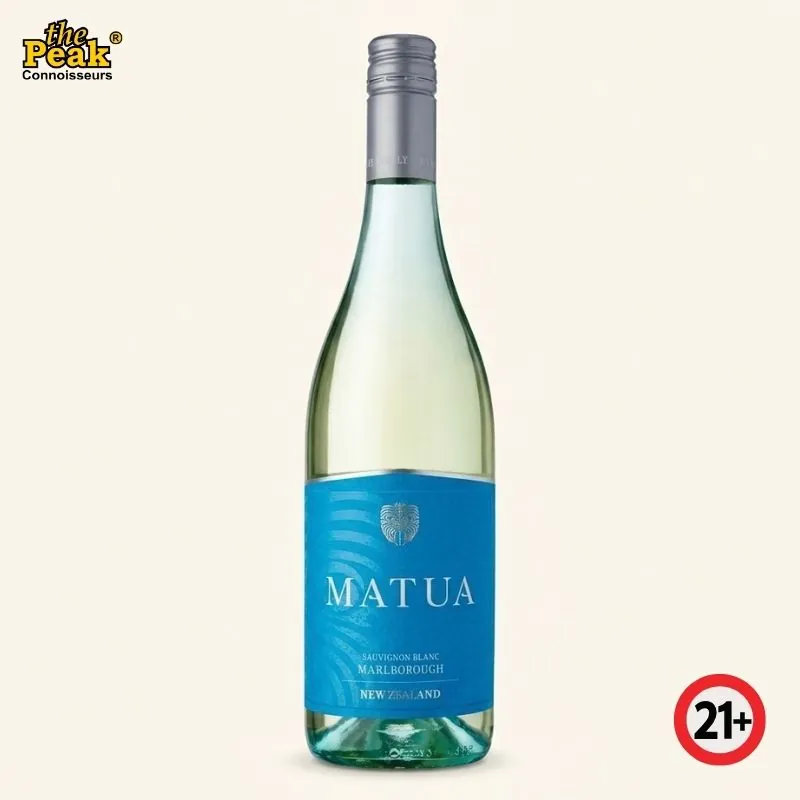
Matua Marlborough Sauvignon Blanc 2022 New Zealand 750ml
An iconic New Zealand white wine bursting with ripe passionfruit, lime zest, and fresh-cut herbs. Its razor-sharp citrus acidity lifts the sweet shrimp in har gow and cuts through sesame oil in steamed siu mai.
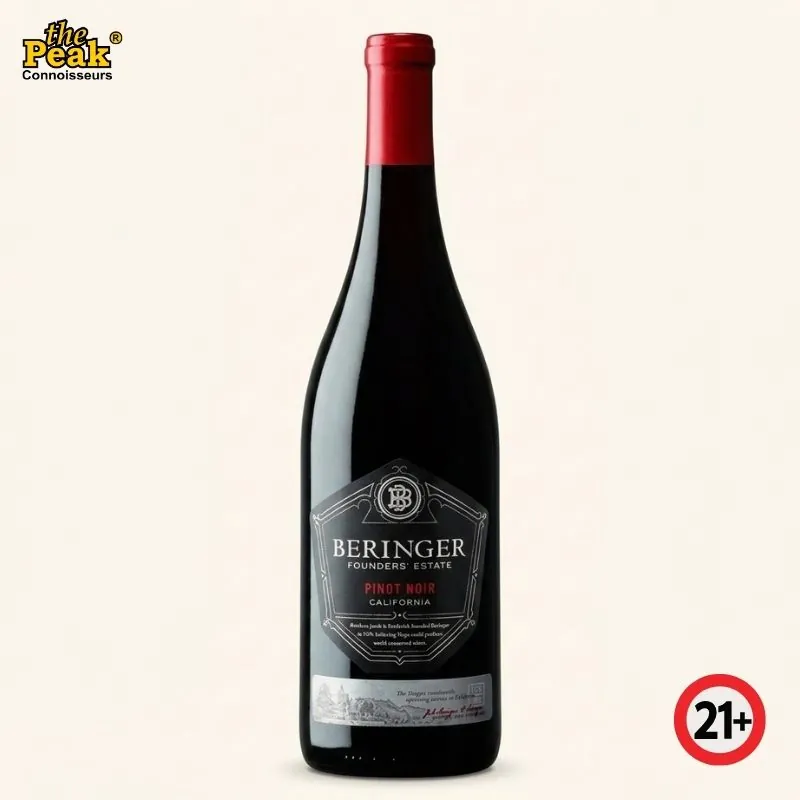
Beringer Founder Estate Pinot Noir 2015 United States 750ml
Our top red wine for Peking duck and honey-glazed char siu. It delivers silky tannins, black cherry, wild raspberry, and a subtle hint of cinnamon spice that wraps around hoisin sauce without turning bitter.
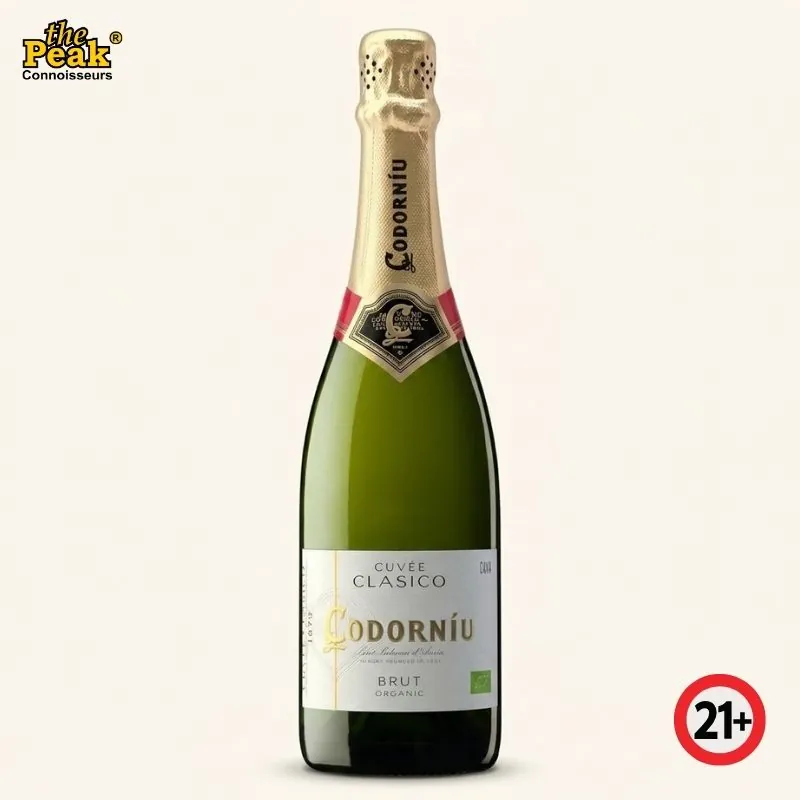
Codorníu Cava Clásico Brut Spain 750ml
A traditional-method sparkling wine crafted with secondary bottle fermentation like Champagne. Fine, persistent bubbles and crisp green apple acidity dissolve the rich fat of crispy siobak and fried dim sum, keeping the palate fresh throughout the meal.
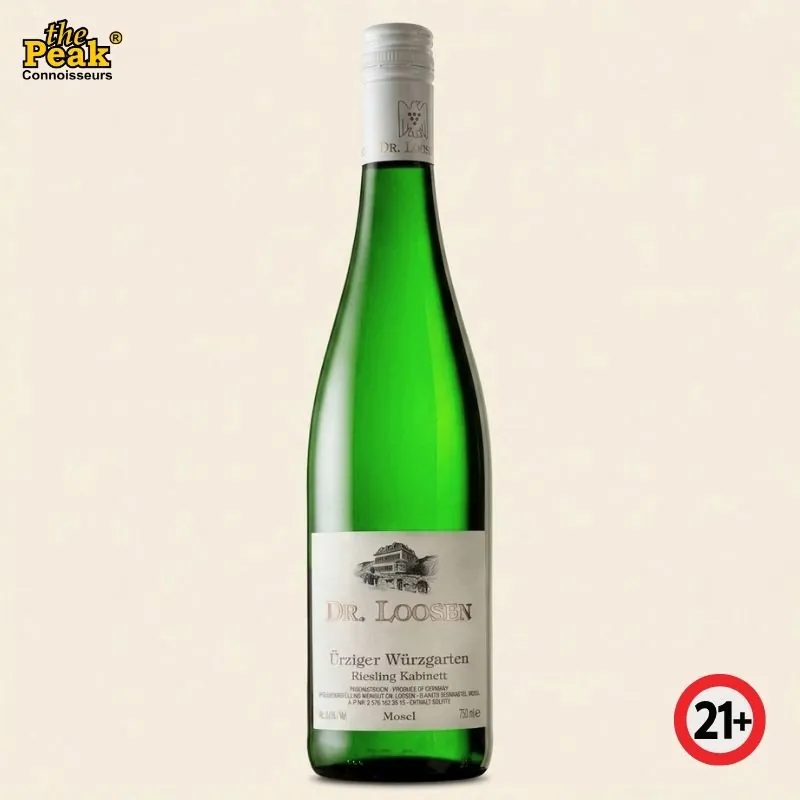
Dr. Loosen Riesling Kabinett 2021 Germany 750ml
A classic Mosel Riesling with balanced off-dry sweetness and low alcohol. Natural white peach fruit and slate-driven acidity coat the tongue, immediately calming capsaicin burn and Sichuan mala chili oil.
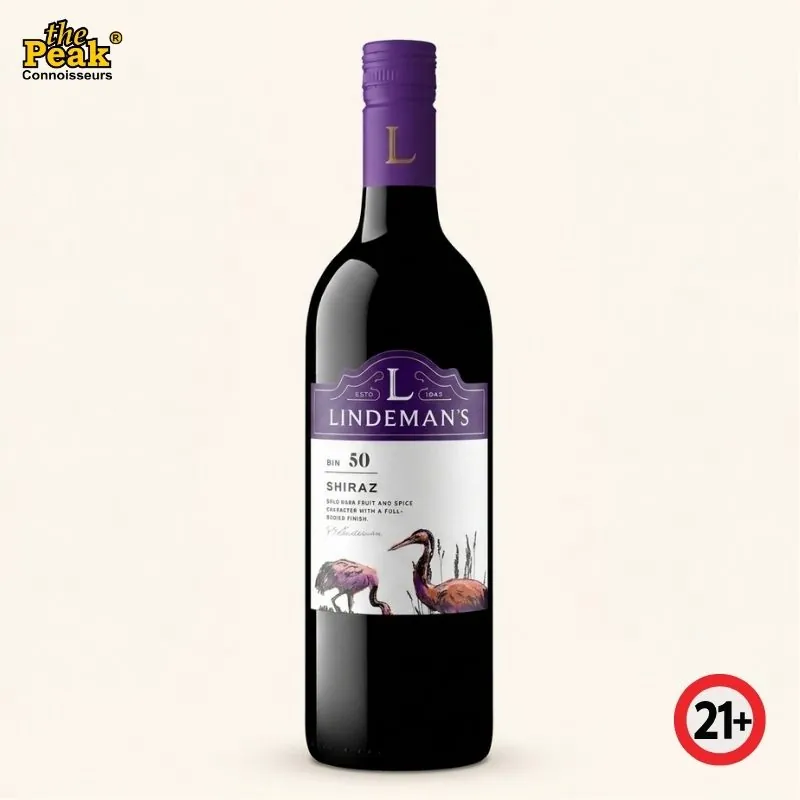
Lindemans Bin 50 Shiraz 2023 Australia 750ml
A full-flavored Australian red packed with black plum, dark berry compote, and cracked black pepper. It pairs naturally with black pepper beef stir-fry and cumin-spiced northern Chinese lamb.
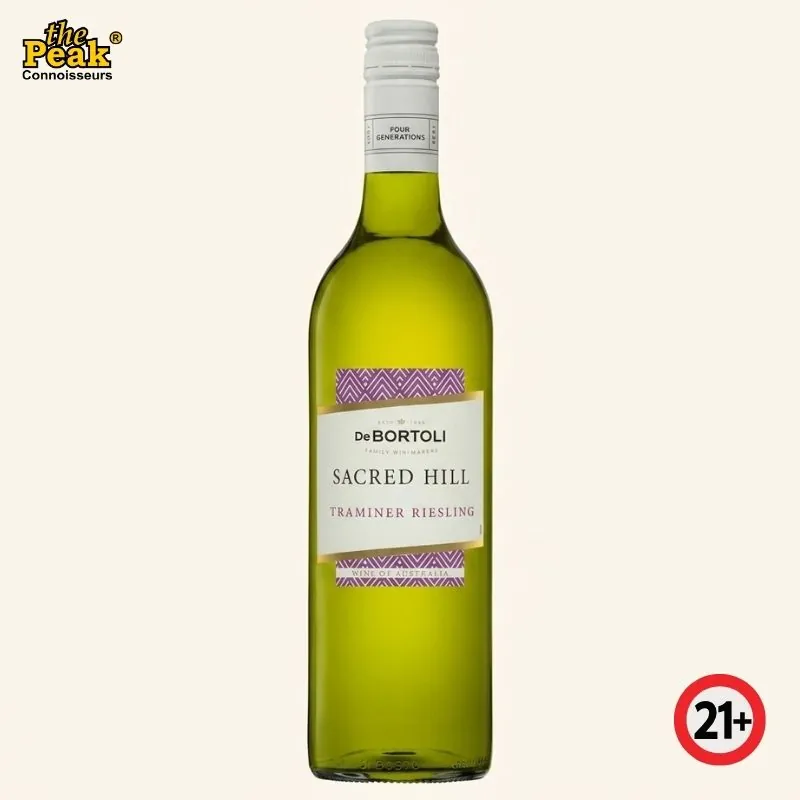
De Bortoli Sac Hill Tram. Riesling 2019 Australia 750ml
A fragrant blend combining rose-petal and sweet lychee aromatics from Gewürztraminer with brisk citrus acidity from Riesling. It is an ideal match for sweet-and-sour gourami, lemon prawns, and mango-glazed dishes.
Frequently Asked Questions About Chinese Food Wine Pairing (FAQ)
Does red wine go well with Chinese food?
Yes, but you have to choose selectively. Heavy, high-tannin, high-alcohol reds (such as young Cabernet Sauvignon) often clash badly with Chinese dishes because tannins react with soy sauce and sweet hoisin glaze, leaving a bitter, metallic aftertaste. Opt for silky-tannin, red-fruited reds like Pinot Noir, or peppery Australian Shiraz for black pepper beef.
What is the best wine for Peking duck?
The classic, most reliable pairings for Peking duck are Pinot Noir or Brut sparkling wine (such as Champagne or Cava). Crispy, fat-rich duck skin and sweet-savory hoisin sauce need fresh acidity to cut the fat and bright red cherry fruit without harsh tannins. Pinot Noir’s natural acidity and red fruit wrap around five-spice aromatics without making hoisin taste cloying.
How do you choose wine for steamed dim sum like har gow and siu mai?
For steamed shrimp and pork dim sum such as har gow and siu mai, choose a crisp, citrus-driven white wine like New Zealand Sauvignon Blanc or chilled Brut sparkling wine. Bright citrus acidity and minerality lift the natural sweetness of fresh shrimp and cut through pork fat without overwhelming delicate wrappers.
What type of wine stands up to spicy, chili-oil-heavy Sichuan food?
The key to handling spicy Sichuan dishes rich in dried chilies, chili oil, and mala peppercorns is choosing an off-dry (semi-sweet) wine with high acidity and moderate-to-low alcohol (under 12.5% ABV), such as German Riesling Kabinett or Traminer Riesling. Natural residual sugar acts as an antidote to capsaicin on the tongue, while chilled acidity washes away spicy oil without triggering throat burn.
What is the rule for serving wine at a family-style Chinese round-table dinner?
Because Chinese banquets place many dishes on a lazy Susan at the same time, the best sommelier strategy is to open two versatile bottles: one chilled Brut sparkling wine or crisp aromatic white (Sauvignon Blanc or Riesling) for starters, dim sum, and steamed seafood, plus one silky-tannin red (Pinot Noir) for roast meats and rich stir-fries.
Conclusion: Finding Flavor Harmony at Every Round-Table Banquet
Enjoying Chinese food with a well-chosen bottle of wine is more than a modern dining habit; it opens up new dimensions in classic dishes. Once you understand sweet-savory glazes, aromatic spices, and rich cooking oils, choosing the right bottle at your favorite restaurant or home dinner becomes effortless.
From crisp Sauvignon Blanc alongside daytime dim sum and silky Pinot Noir with Peking duck to lively Cava Brut cutting through crispy roast pork, Peakwine is your trusted curator. Browse Peakwine’s complete official wine collection , stored under professional cold-chain standards, and bring a memorable dining experience to your family and business guests.
Explore Curated Selections for Your Cellar
Authentic wines, spirits, and sake personally curated by our sommelier team with verified provenance and climate-controlled delivery.
Wine Guide Collection
Over 1,300+ red, white, and sparkling wines from acclaimed global producers.
Explore Wine Catalog → Premium SpiritsWhisky, Gin, and Vodka
Rare single malts, blended Scotch, artisan gin, and 100% agave tequila.
Explore Spirits Catalog → Cold-Chain GuaranteedSake and Asian Drinks
Authentic Japanese Daiginjo, Ginjo, Junmai sake and chilled Korean soju.
Explore Sake Collection → Instant Delivery22+ Official Outlets
Find the nearest Peakwine cellar outlet in Bandung and Jakarta for direct pickup.
Find Store Locations →


 By Wine Style
 Red Wine
 White Wine
 Sparkling Wine & Champagne
 Rosé Wine
 Dessert & Sweet Wine
 Fortified & Port Wine
 By Grape Variety
 Cabernet Sauvignon
 Shiraz
 Chardonnay
 Merlot
 Sauvignon Blanc
 Pinot Noir
 Tempranillo
 Sangiovese
 Malbec
 Grenache
 Semillon
 Primitivo
 Moscato
 Carmenere
 Riesling
 Pinot Grigio
 By Country & Region
 Australia
 France
 Chile
 Indonesia
 Italy
 Argentina
 Spain
 United States
 Portugal
 South Africa
 New Zealand
 Japan
 Germany
 By Taste & Sweetness
 Full-Bodied Wine
 Medium-Bodied Wine
 Light-Bodied Wine
 Sweet & Fruity Wine
 Dry Wine
 Curated Collections
 Best Sellers
 Everyday Value (< 500k)
 Reserve & Cellar

 Whisky & Whiskey
 Single Malt Scotch
 Blended Scotch
 Bourbon & Tennessee
 Japanese Whisky
 Irish Whiskey
 Gin
 London Dry Gin
 Dry Gin
 Tequila & Mezcal
 Vodka
 Premium & Craft Vodka
 Indonesian Vodka
 Rum
 White Rum
 Dark Rum
 Brandy Cognac
 Armagnac
 Liqueur
 Traditional Spirit


