

Organic, Biodynamic, and Natural Wine: How Do They Differ from Conventional Wine?


📖 Table of Contents ▼
Natural wine is a low-intervention winemaking movement that relies on wild yeast fermentation on grape skins, zero synthetic chemical additives, no aggressive filtration, and minimal or no added sulfites. This movement is often grouped with organic and biodynamic wine, yet the three carry very different scientific boundaries and legal regulations. Organic wine focuses on farming grapes in the vineyard without synthetic pesticides or herbicides under official certifications such as EU Organic or USDA Organic. Biodynamic wine goes further by treating the vineyard as a self-sustaining holistic living organism aligned with Rudolf Steiner’s astronomical calendar and herbal compost preparations (certified by Demeter). Natural wine (vin naturel) combines organic vineyard farming with a strict refusal of laboratory manipulation inside the cellar. This Peakwine sommelier guide breaks down the four quadrants of global viticulture, clears up myths around sulfites and hangovers, and examines the distinct flavor profiles winning over modern wine drinkers in Indonesia.
Key Takeaways: Organic, Biodynamic, and Natural Wine
- Official Legal Certification: Organic wine (EU Organic Leaf, AB France, USDA) and biodynamic wine (Demeter, Biodyvin) follow international legal standards audited by independent bodies. Natural wine is a winemaking ethic without a single global certifying agency, aside from France’s Vin Méthode Nature charter.
- Fermentation Yeast Source: Conventional wine typically uses commercial laboratory yeast strains for uniform results. Natural wine and biodynamic wine require indigenous wild yeast living naturally on grape skins and in the cellar environment.
- Sulfite Levels (SO2): All wine contains naturally occurring sulfites from fermentation. Added sulfite limits drop sharply across categories: Conventional (up to 150-200 ppm), Organic (maximum 100 ppm), Biodynamic (maximum 70-90 ppm), and Natural Wine (under 30 ppm or zero added sulfites).
- Clarity and Flavor Profile: Because natural wine skips micro-filtration (unfiltered) and animal-derived fining agents (unfined), it often appears slightly cloudy with earthy, cider-like, and kombucha notes backed by energetic acidity.
The 4 Viticulture Philosophies: From Chemical Farming Back to Nature
Viticulture and enology have changed dramatically over the past century. After World War II, industrial agriculture introduced synthetic chemical fertilizers, glyphosate herbicides, and systemic pesticides to maximize vineyard yields. Inside the cellar, modern technology enabled the addition of tartaric acid, tannin-softening enzymes, beet sugar (chaptalization), synthetic oak chips, and genetically modified laboratory yeast. This approach created conventional wine , which accounts for more than 90 percent of commercial wine on supermarket shelves worldwide today.
In response to that industrialization, three back-to-nature movements emerged that often confuse first-time buyers:
- 1. Organic Wine: This category centers on soil and vineyard management. Growers are barred from using synthetic chemical pesticides, weed-killing herbicides, and artificial fertilizers. Instead, they rely on organic compost, natural sulfur, and manual canopy management. In the European Union, organic winemaking rules also cap sulfite levels and ban harmful additives, marked by the green starred leaf logo (EU Organic).
- 2. Biodynamic Wine: Founded by Austrian philosopher Rudolf Steiner in 1924, biodynamic farming views the vineyard as a closed, self-sustaining living ecosystem. All vineyard tasks (planting, pruning, harvesting) follow an astronomical calendar based on lunar cycles and zodiac phases (root, fruit, leaf, and flower days). Growers nourish soil microbes using homeopathic herbal preparations numbered 500 through 508, such as fermented cow-horn manure and horsetail tea. The most prestigious certifications in this category are Demeter and Biodyvin.
- 3. Natural Wine (Vin Naturel / Low Intervention): While organic and biodynamic farming focus on vineyard ethics, natural wine centers on a zero-manipulation philosophy inside the cellar . Pioneered by French chemist and winemaker Jules Chauvet in Beaujolais during the 1970s, its motto is ‘rien ajouté, rien enlevé’ (nothing added, nothing taken away). Grapes must be farmed organically or biodynamically, harvested by hand, fermented solely with wild yeast on the skins without artificial temperature control, left unfiltered and unfined, and bottled with little or no added sulfites.
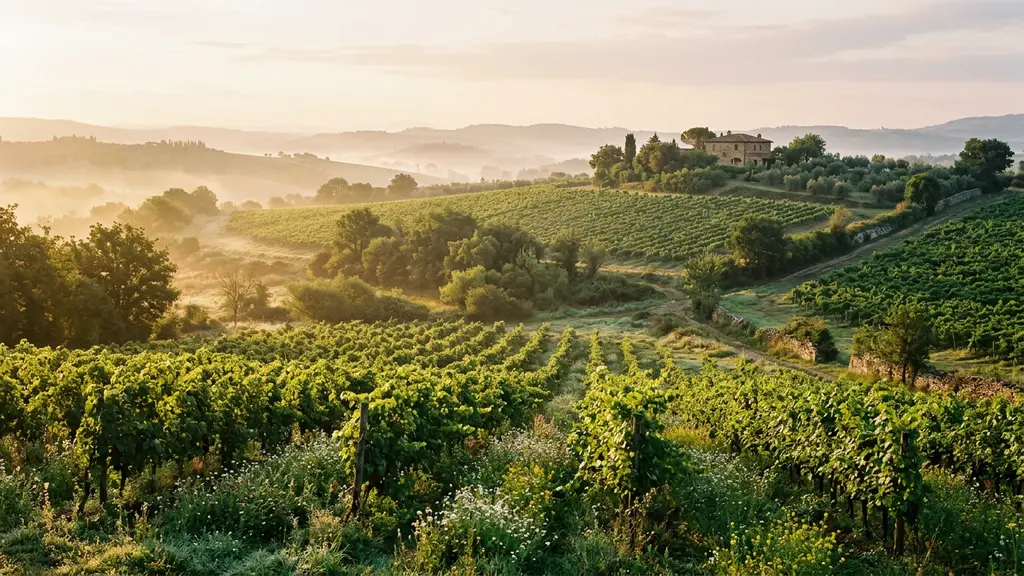
Comparison Table: Conventional, Organic, Biodynamic, and Natural Wine
To see the clear boundaries between these four quadrants, review the scientific and regulatory comparison below:
| Scientific Parameter | Conventional Wine | Certified Organic Wine | Certified Biodynamic Wine | Natural Wine (Vin Naturel) |
|---|---|---|---|---|
| Vineyard Farming | Synthetic chemical pesticides and herbicides permitted | Free of synthetic chemicals; natural compost and sulfur only | Full organic plus herbal preparations 500 to 508 and cosmic calendar | Must be farmed organically or biodynamically; 100% hand-harvested |
| Fermentation Yeast | Commercial laboratory-cultured yeast (isolated) | Wild yeast or certified organic yeast | Must use native vineyard wild yeast (indigenous yeast) | Natural wild yeast only; cultured yeast prohibited |
| Maximum Sulfite Limit | Very high (up to 150 to 200 mg/L or ppm) | Moderate (maximum 100 mg/L red, 150 mg/L white in the EU) | Low (maximum 70 mg/L red, 90 mg/L white for Demeter) | Minimal (under 30 mg/L or zero added sulfites) |
| Fining and Filtration | Sterile membrane filtration and animal-based fining (gelatin, albumin) | Filtration permitted with organic or vegan fining agents | Very limited and minimal filtration | Unfined and Unfiltered (no filtration or clarification) |
| Certifying Bodies | Standard food industry laws of the producing country | EU Organic Leaf, USDA Organic, AB France, CAAE Spain | Demeter International, Biodyvin | Vin Méthode Nature (France) or independent producer integrity |
Debunking the Myths: Is Natural Wine Sulfite-Free and Hangover-Free?
A major driver behind natural wine’s popularity is the marketing claim that it is ‘chemical-free and will not cause headaches or hangovers.’ As sommeliers, we need to address this with clear biochemical facts:
1. The ‘100% Sulfite-Free’ Wine Myth Is Scientifically Impossible
Sulfites (sulfur dioxide, or SO2) are a natural byproduct of yeast metabolism during alcoholic fermentation. Even if a winemaker never sprays sulfur in the vineyard and never adds a drop in the cellar, the finished wine naturally contains around 5 to 20 parts per million (ppm) of endogenous sulfites. Therefore, the accurate legal and scientific term is ‘no added sulfites’ , rather than sulfite-free wine.
2. Sulfites Are Not the Main Cause of Wine Headaches
Many drinkers blame sulfites when they wake up with a headache. Medical research shows that only about 1 percent of the global population has a true sulfite sensitivity, mostly people with acute asthma whose reaction is shortness of breath rather than a headache. Everyday foods like dried fruit (raisins, apricots), french fries, and packaged jams contain up to 10 times more sulfites than a bottle of wine.
The real culprits behind post-wine headaches are cellular dehydration caused by alcohol (ethanol) , acetaldehyde buildup in the liver, and biogenic amines (such as histamine and tyramine) formed naturally during the fermentation of thick-skinned grapes. Drinking natural wine in excess will trigger the exact same hangover as conventional wine.
3. The ‘Funky’ and Oxidative Flavor Profile of Natural Wine
Without high doses of protective sulfites or micro-filtration, natural wine shows a highly dynamic sensory profile. On the palate, you may notice electric acidity, a soft yeasty texture reminiscent of apple cider or kombucha, damp forest-floor aromas, or subtle savory notes from wild Brettanomyces yeast. For some drinkers, this is the purest expression of terroir. For beginners accustomed to sweet, uniform commercial wines, this profile takes some getting used to.
Popular Styles of Natural Wine: From Pet-Nat to Orange Wine
The natural wine movement has revived ancient winemaking techniques that were nearly lost to industrialization. Two iconic styles now lead top wine bars around the world:
Pétillant Naturel (Pet-Nat): Unfiltered Natural Bubbles
While French Champagne relies on a complex traditional method with two separate fermentations, Pétillant Naturel (Pet-Nat) uses the world’s oldest sparkling technique, known as Méthode Ancestrale . Actively fermenting grape must is bottled and sealed with a metal crown cap (like a beer bottle) before the yeast finishes consuming all the sugar. Primary fermentation continues inside the sealed bottle, trapping natural carbon dioxide to produce gentle, refreshing bubbles and an appealing natural haze.
Orange Wine: White Wine Made Like Red Wine
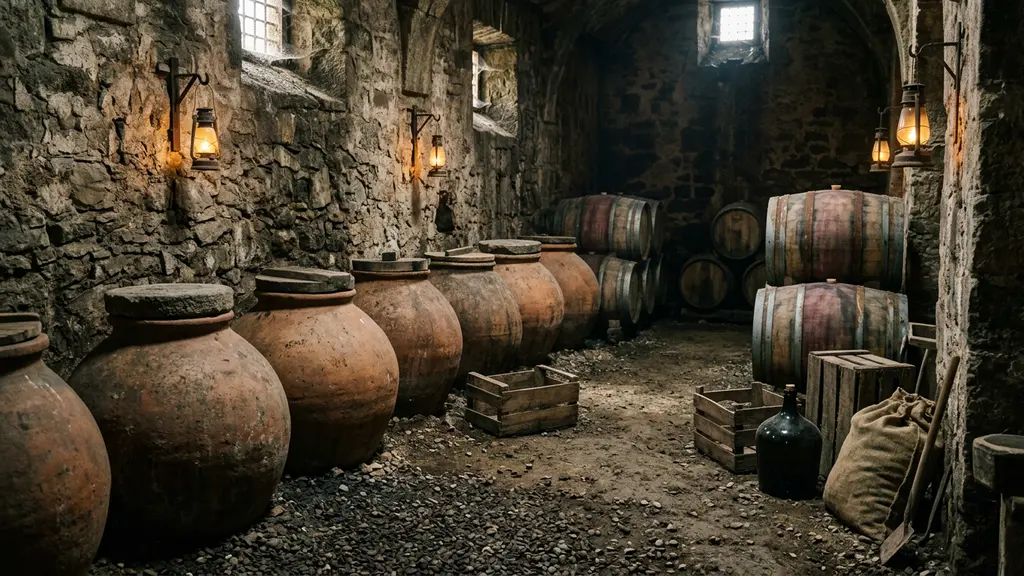
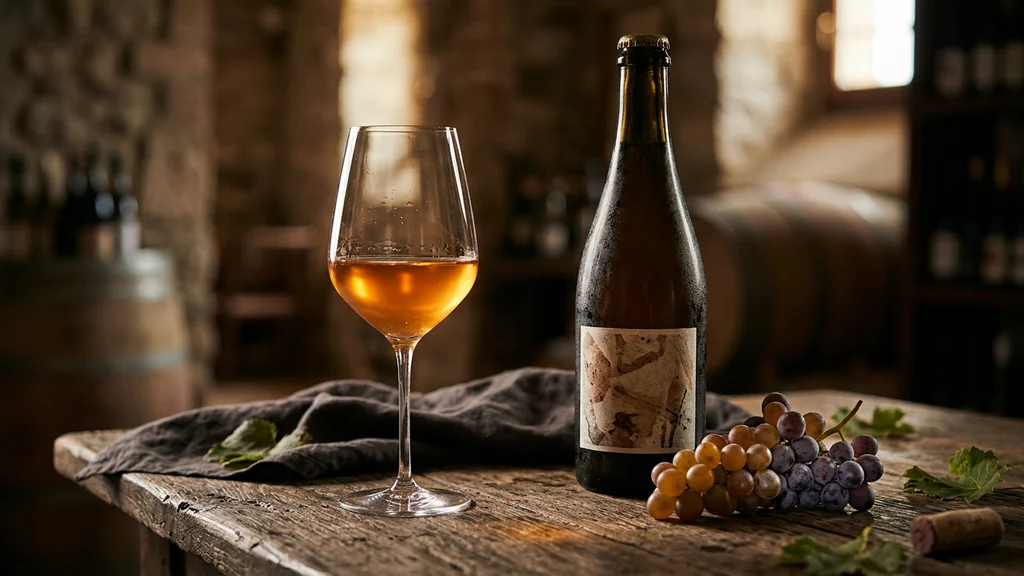
Do not mistake this for wine made from oranges. Orange wine (also called Skin-Contact White Wine or Amber Wine) is made from green- or yellow-skinned white grapes, but the juice is left to macerate with the skins and seeds for days, weeks, or even months. This ancient tradition originated in Georgia 8,000 years ago inside giant buried clay vessels (Qvevri). Skin extraction creates a glowing copper-amber color, aromas of dried apricot and herbal tea, and a firm tannic structure similar to red wine.
Best Organic and Sustainable Wines at Peakwine
Finding bottles crafted with genuine respect for nature does not have to be difficult. Peakwine curates 6 certified organic, biodynamic, and sustainably produced wines currently active in our catalog with verified provenance:
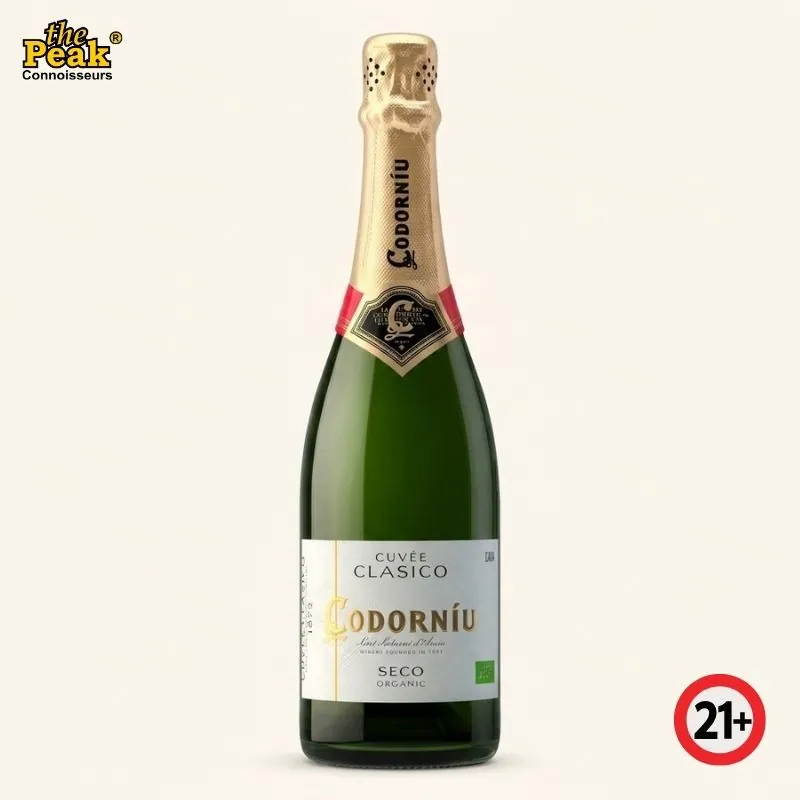
Codorníu Cava Clásico Seco Organic Spain
D.O. Cava, Catalonia, Spain | Macabeo, Xarel-lo, Parellada
An eco-friendly sparkling wine carrying the official EU Organic label. Crafted by the traditional method from a blend of three native Spanish grape varieties grown in certified organic vineyards. It delivers crisp green apple, fresh pear, and subtle brioche notes with balanced acidity, making it an ideal aperitif for special dinners.

Zensa Primitivo IGP Puglia Organic 2022
Puglia IGT, Southern Italy | 100% Organic Primitivo
The name Zensa comes from the Italian word ‘Senza,’ meaning ‘without’ (without synthetic pesticides or fertilizers). These hand-harvested organic Primitivo grapes from the Salento peninsula are fermented vegan-friendly without animal gelatin, offering rich aromas of ripe black cherry, sweet plum, dark chocolate, and natural vanilla with velvety tannins.
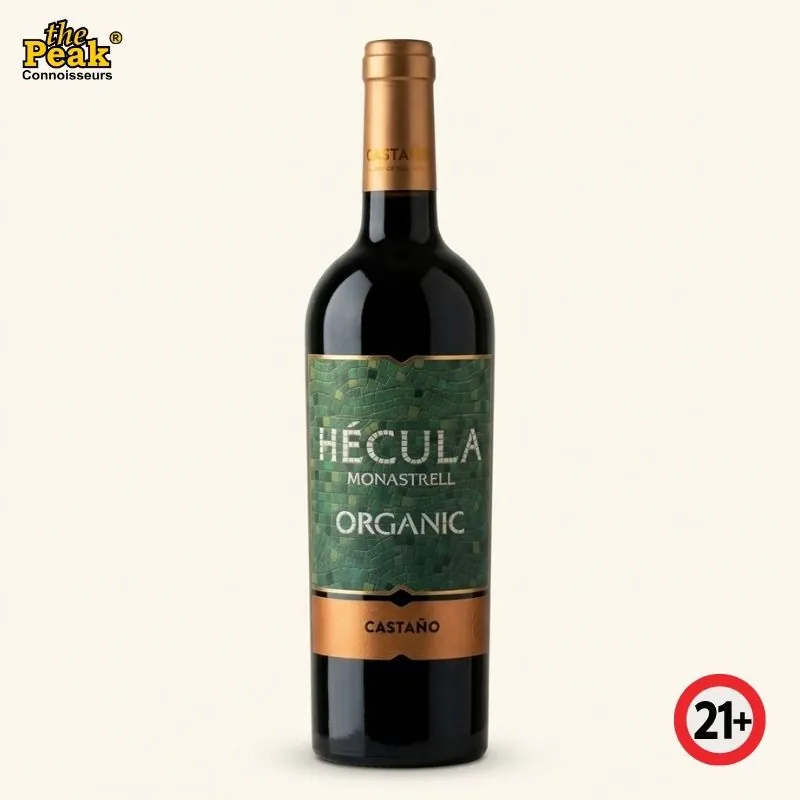
Castaño Hécula Organic Monastrell 2019
D.O. Yecla, Murcia, Spain | 100% Monastrell (Mourvèdre)
Sourced from old vines over 40 years of age farmed organically at 750 meters above sea level. The naturally dry climate minimizes pest pressure without chemical sprays. It produces a concentrated, full-bodied red wine packed with wild blackberry, black pepper spice, and clean limestone minerality.
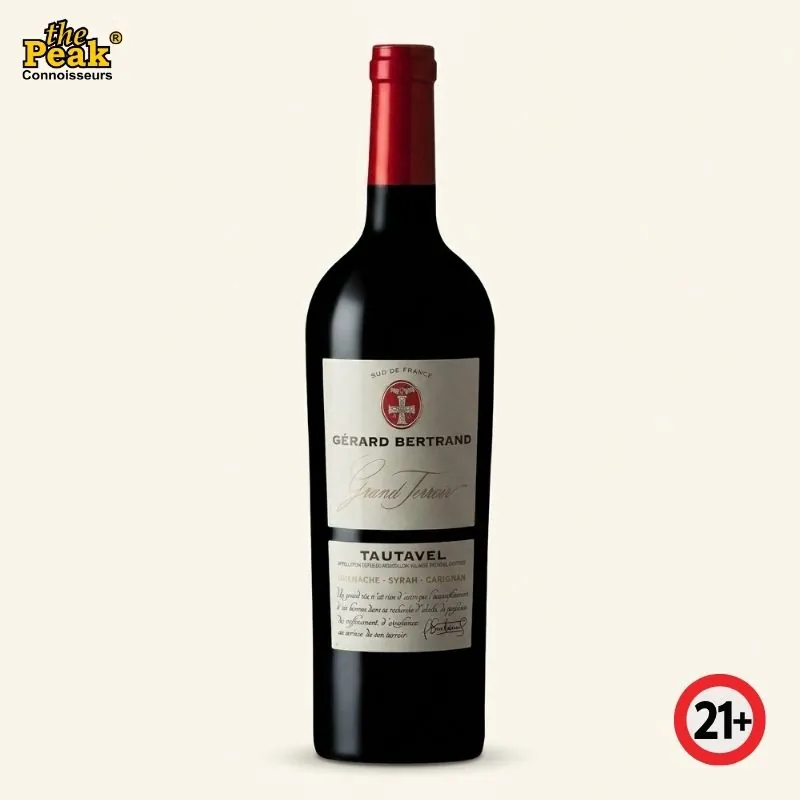
Gérard Bertrand Grand Terroir Tautavel 2018
AOP Côtes du Roussillon Villages, France | Grenache, Syrah, Carignan
Gérard Bertrand is one of Europe’s most respected leaders in biodynamic viticulture. Every vineyard is farmed in step with cosmic rhythms and soil microbial biodiversity. Tautavel delivers intense ripe black raspberry, Southern French wild garrigue herbs, sweet spice, and structured tannins that express its Mediterranean limestone terroir.
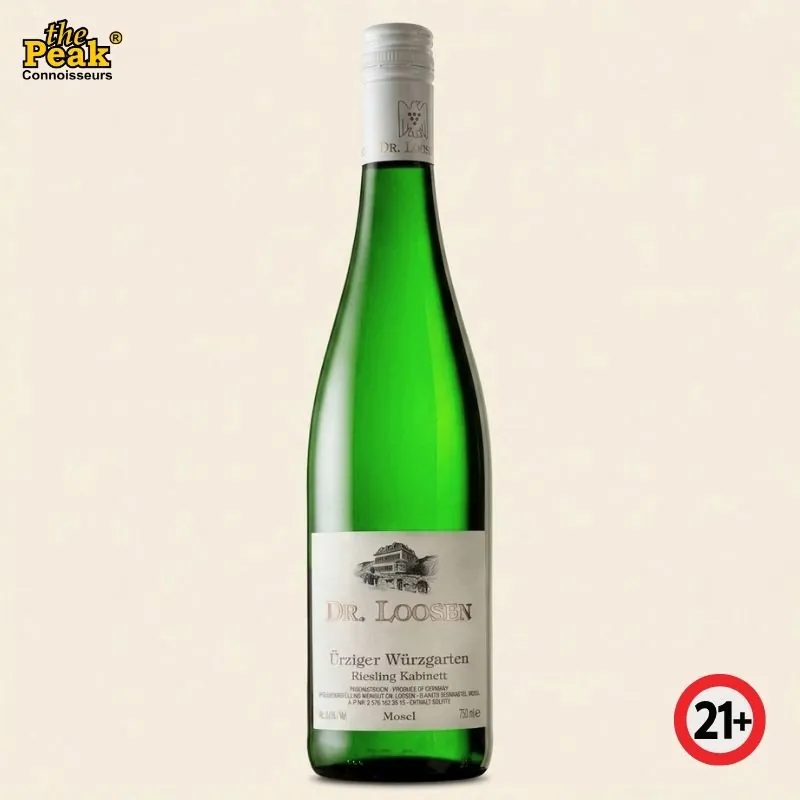
Dr. Loosen Riesling Kabinett 2021 Germany
Mosel Valley, Germany | 100% Ungrafted Riesling
Ernst Loosen practices low-intervention sustainable viticulture on the steep blue-slate slopes of the Mosel. Ungrafted vines up to 120 years old yield fruit of pure concentration. Cool natural fermentation produces an aromatic white wine with a striking balance of green apple acidity, white peach, and river-stone minerality.
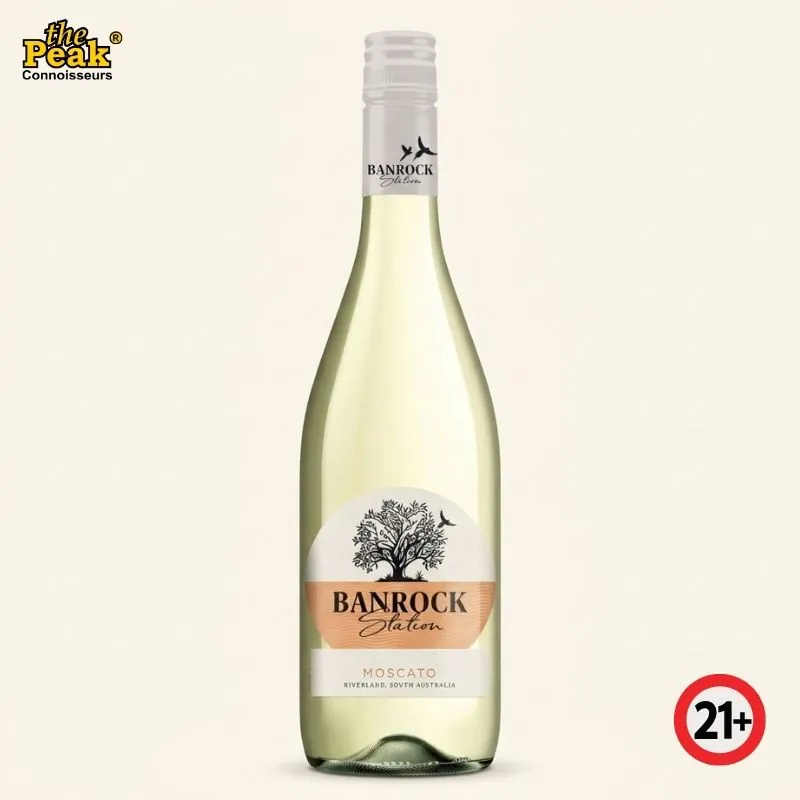
Banrock Station Moscato 2023 Australia
Riverland, South Australia | Muscat of Alexandria
An Australian environmental pioneer that donates a portion of its profits to wetland and wildlife conservation. This refreshing sweet Moscato sits at a light 6 percent ABV, bursting with orange blossom, fresh lychee, and a gentle frizzante spritz that beginners love.
How to Store and Serve Natural Wine in Indonesia’s Tropical Climate
Enjoying natural wine in Indonesia requires extra care with storage and service. Because it lacks high doses of sulfites and commercial chemical stabilizers, natural wine is far more fragile when exposed to heat and oxygen:
- Store at a Steady Cool Temperature: Indonesia’s tropical room temperatures (28 to 32°C) can trigger wild yeast refermentation or speed up oxidation within weeks. Keep your natural wine bottles inside a dedicated wine cooler at a steady 12 to 15°C.
- Do Not Fear Natural Sediment: The fine sediment or haze at the bottom of a natural wine bottle consists of spent yeast and natural grape polyphenols, not dirt or spoilage. If you prefer a clearer pour, stand the bottle upright for 30 minutes before opening and pour gently.
- Finish Faster After Opening: While conventional red wine can last 3 to 5 days in the refrigerator after opening, natural wine usually peaks within the first 24 to 48 hours before its fruit aromas fade from air exposure.
Frequently Asked Questions About Natural and Organic Wine
What is the main difference between organic wine and natural wine?
The main difference lies in where regulation applies: organic wine focuses on vineyard farming audited to be free of synthetic pesticides and fertilizers under official certifications like the EU Organic Leaf. Natural wine is a holistic winemaking philosophy that requires organic grapes and also rejects cellar manipulation, using only wild yeast, no artificial filtration or fining, and minimal or zero added sulfites.
Is natural wine completely free of sulfites?
Scientifically, no wine is 100% sulfite-free. Natural yeast produces around 5 to 20 ppm of sulfites (sulfur dioxide, SO2) on its own during alcoholic fermentation as a natural antibacterial defense. Therefore, the accurate term is ‘no added sulfites,’ meaning the winemaker injects zero extra sulfites at bottling.
Why does natural wine often look cloudy and smell different?
Natural wine is intentionally left unfiltered and unfined to preserve its natural flavor, texture, and aromatic compounds. The slight haze comes from suspended yeast particles and grape skin matter. Its distinct aromas, often reminiscent of apple cider, kombucha, or damp earth, come from indigenous wild yeast activity unrestricted by chemical antimicrobial agents.
Is biodynamic wine the same as organic wine?
Biodynamic wine is an advanced tier of organic farming. Beyond meeting all synthetic-chemical-free criteria, biodynamic vineyards operate as closed ecosystems aligned with lunar and astronomical calendars and use natural herbal preparations (such as horn manure 500) to enrich soil structure. The strictest international biodynamic certifications are overseen by Demeter and Biodyvin.
What is the best way to store and serve natural wine in Indonesia?
Because natural wine contains minimal sulfite preservatives, it is highly vulnerable to heat damage in tropical climates. Store bottles at a steady cool temperature between 12 and 15°C in a wine cellar or dedicated wine fridge. Before serving, stand the bottle upright for a few minutes so yeast sediment settles, and finish it within 1 to 2 days after opening for optimal fruit freshness.
Choosing between conventional, organic, biodynamic, or natural wine is not about declaring one superior, but about finding the flavor authenticity and philosophy that suit your palate. Whether you appreciate the consistent precision of classic wine or the untamed energy and honesty of a natural bottle, The Peak Connoisseurs is ready to support your exploration with curated bottles stored under professional cellar conditions.
Explore Curated Selections for Your Cellar
Authentic wines, spirits, and sake personally curated by our sommelier team with verified provenance and climate-controlled delivery.
Wine Guide Collection
Over 1,300+ red, white, and sparkling wines from acclaimed global producers.
Explore Wine Catalog → Premium SpiritsWhisky, Gin, and Vodka
Rare single malts, blended Scotch, artisan gin, and 100% agave tequila.
Explore Spirits Catalog → Cold-Chain GuaranteedSake and Asian Drinks
Authentic Japanese Daiginjo, Ginjo, Junmai sake and chilled Korean soju.
Explore Sake Collection → Instant Delivery22+ Official Outlets
Find the nearest Peakwine cellar outlet in Bandung and Jakarta for direct pickup.
Find Store Locations →


 By Wine Style
 Red Wine
 White Wine
 Sparkling Wine & Champagne
 Rosé Wine
 Dessert & Sweet Wine
 Fortified & Port Wine
 By Grape Variety
 Cabernet Sauvignon
 Shiraz
 Chardonnay
 Merlot
 Sauvignon Blanc
 Pinot Noir
 Tempranillo
 Sangiovese
 Malbec
 Grenache
 Semillon
 Primitivo
 Moscato
 Carmenere
 Riesling
 Pinot Grigio
 By Country & Region
 Australia
 France
 Chile
 Indonesia
 Italy
 Argentina
 Spain
 United States
 Portugal
 South Africa
 New Zealand
 Japan
 Germany
 By Taste & Sweetness
 Full-Bodied Wine
 Medium-Bodied Wine
 Light-Bodied Wine
 Sweet & Fruity Wine
 Dry Wine
 Curated Collections
 Best Sellers
 Everyday Value (< 500k)
 Reserve & Cellar

 Whisky & Whiskey
 Single Malt Scotch
 Blended Scotch
 Bourbon & Tennessee
 Japanese Whisky
 Irish Whiskey
 Gin
 London Dry Gin
 Dry Gin
 Tequila & Mezcal
 Vodka
 Premium & Craft Vodka
 Indonesian Vodka
 Rum
 White Rum
 Dark Rum
 Brandy Cognac
 Armagnac
 Liqueur
 Traditional Spirit


