

Wine Alcohol Content: What Is the ABV of Red, White, and Sparkling Wine? (Complete Guide)

📖 Table of Contents ▼
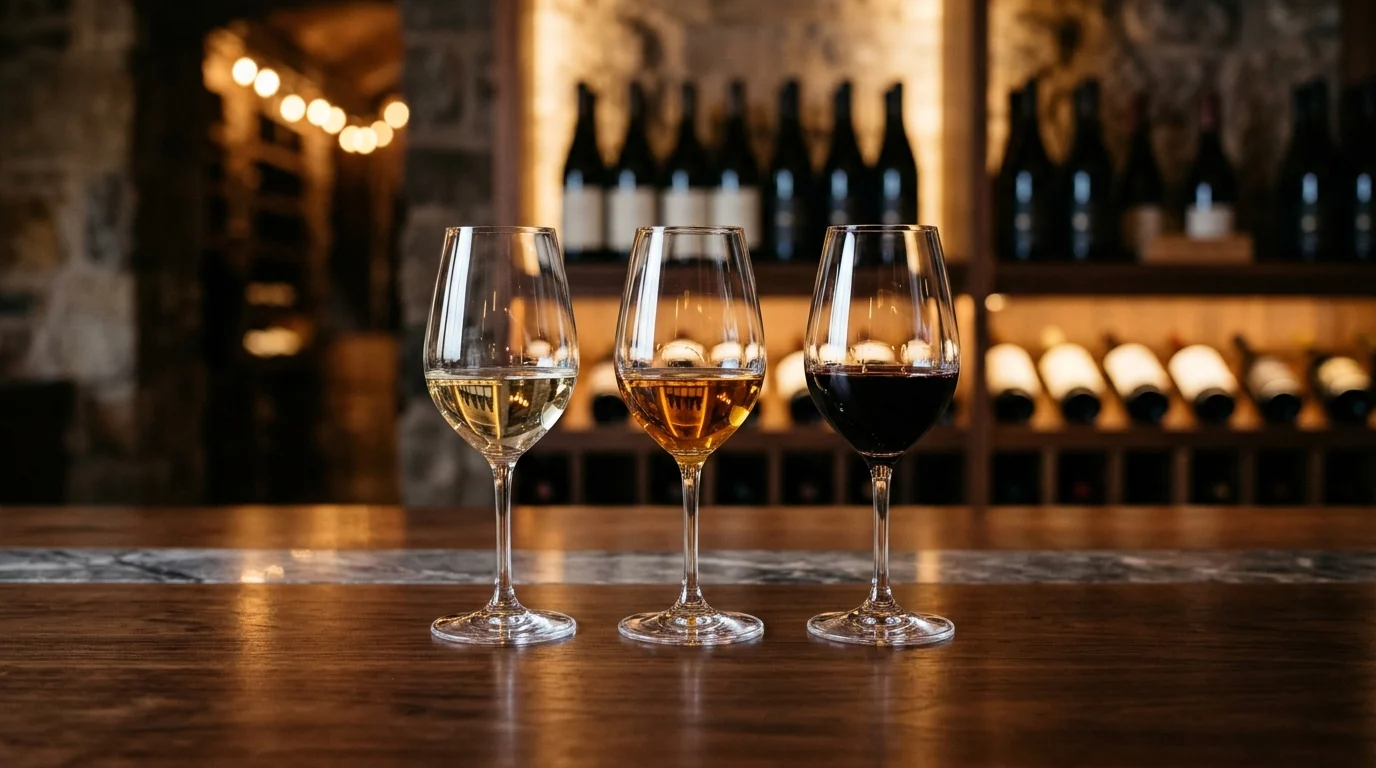
Wine alcohol content averages between 5.5% and 20% ABV ( Alcohol by Volume ), with most table wine falling between 11.5% and 14.5% . This percentage is not an artificial measurement, but the natural result of yeast converting grape sugars into alcohol during fermentation. Light sweet wines like Moscato have the lowest alcohol (5.5%-8%), crisp white and sparkling wines sit at 11%-12.5%, full-bodied red wines typically reach 13.5%-15%, and fortified wine such as Port can reach 19%-20% ABV. If you are watching your daily calories or following a diet, alcohol content directly correlates with energy value; learn more in our guide to wine calories and sugar content.
Sommelier Quick Summary: The higher the alcohol content in wine, the thicker ( full-bodied ) the liquid feels and the more pronounced the warmth in the throat. For beginners sensitive to alcohol, start with wines under 11% ABV such as Moscato or sweet Riesling.
What Percentage of Alcohol Is in Wine? (ABV Scale Summary)
On a wine bottle label, alcohol content is listed as a percentage by volume, such as 13.5% vol or 13.5% ABV . This number indicates that in 100 milliliters of wine, there are 13.5 milliliters of pure alcohol (ethanol). The table below summarizes the 4 main spectrums of wine alcohol content:
| ABV Category | Percentage Range | Flavor and Texture Characteristics | Popular Varietal Examples |
|---|---|---|---|
| Low ABV | Under 10% ABV | Naturally sweet, very light, crisp, minimal warmth in the throat | Moscato d’Asti, Brachetto, German Riesling (sweet Kabinett) |
| Medium-Low | 10% to 11.5% ABV | Light, crisp, high citrus acidity, easy to enjoy during the day | Cool-climate Pinot Grigio, Vinho Verde, Prosecco Brut, Muscadet |
| Medium-High (Table Standard) | 11.5% to 13.5% ABV | Classic balance, medium texture on the palate, balanced fruit flavors | Sauvignon Blanc, Chardonnay, Pinot Noir, Merlot, Bordeaux Blend |
| High ABV | 13.5% to 15% ABV | Rich ( full-bodied ), concentrated ripe fruit, distinct warming sensation on the chest | Cabernet Sauvignon, Australian Shiraz, Malbec, Zinfandel, Barolo |
| Very High (Fortified) | 15% to 20%+ ABV | Very viscous, intensely sweet caramel or bone dry, served in small pours | Port Wine, Sherry, Madeira, Marsala |
The Science Behind Alcohol in Wine: The Role of Sugar and Yeast
Alcohol in wine is not added synthetically; it forms purely through natural fermentation biochemistry. When grapes are pressed, the grape juice ( must ) contains a high concentration of natural glucose and fructose sugars. Yeast ( Saccharomyces cerevisiae ) consumes those sugar molecules and produces two main byproducts: ethanol (alcohol) and carbon dioxide gas.
This chemical reaction continues until all sugar is converted into alcohol ( dry wine ), or until the winemaker intentionally halts fermentation to leave natural sweetness ( residual sugar ).
Climate Factors: Why Do New World Wines Tend to Have Higher Alcohol?
Vineyard location and weather play the most decisive role in potential alcohol levels:
- Warm-Climate Regions (New World): Regions such as South Australia (Barossa Valley), California (Napa Valley), and Argentina (Mendoza) receive intense sunshine throughout the growing season. Grapes reach maximum ripeness with concentrated sugar levels, resulting in higher-alcohol wines (14%-15.5% ABV).
- Cool-Climate Regions (Old World): Regions such as Northern France (Burgundy, Champagne), Germany (Mosel), and New Zealand (Marlborough) have cooler temperatures. Grapes retain sharp citrus acidity with lower sugar accumulation, producing wines with more moderate alcohol (11%-12.5% ABV).
The 4 Wine Alcohol Categories by Varietal
1. Low-Alcohol Wines (Under 10% ABV)
This category is a favorite for casual drinkers and beginners. Most wines in this group have a fresh, sweet profile because fermentation is stopped early when yeast has only processed half of the grape sugars. Top choices in the Peakwine catalog include Sababay Moscato D Bali 2020 , which is aromatic and refreshing, and Lindemans Bin 90 Moscato 2025 from Australia with soft peach notes.
2. Medium-Alcohol Wines (10% to 13.5% ABV)
This range is the global gold standard for table wine and the most versatile for food pairing. It includes classic Champagne, Prosecco, and crisp white wines such as Marqués de Riscal Rueda Sauvignon Blanc 2022 from Spain at 12.5% ABV, packed with citrus and fresh herbal notes. For red wines, lighter, elegant varietals like cool-climate Pinot Noir and Merlot fall into this group.
3. High-Alcohol Wines (13.5% to 15% ABV)
If you prefer bold, concentrated, full-bodied red wines, this is the category to choose. Higher alcohol gives the liquid weight that fills the palate. Leading varietals include Cabernet Sauvignon, Australian Shiraz, and Malbec. A standout bottle at Peakwine is Lindemans Bin 45 Cabernet Sauvignon 2023 , featuring aromas of cassis, cedarwood, and a lingering warm finish.
4. Fortified Wines (15% to 20%+ ABV)
Fortified wine is a distinct class in which distilled grape spirit ( grape brandy ) is added directly to the wine during fermentation. Adding this spirit halts yeast activity immediately while raising alcohol levels to 19%-20%. Iconic bottles like Cockburn’s Special Reserve Port from Portugal deliver flavors of blackcurrant, caramel, and roasted nuts that pair well with the end of a dinner.
Why Do Red Wines Tend to Have Higher Alcohol Than White Wines?
In general, red wine has a higher average ABV than white wine for two main reasons in viticulture:
- Harvest Timing: Red grapes are left on the vine longer so that tannins in the skins reach full maturity ( phenolic ripeness ). The longer the fruit stays in the sun, the more concentrated its sugars become, yielding higher potential alcohol.
- Fermentation Temperature: Red wine is fermented with its skins at warm temperatures (26°C-30°C) to extract ruby color and tannin structure, which drives yeast to convert all sugar into alcohol. By contrast, white wine is fermented cold (12°C-18°C) to preserve delicate fresh fruit aromas. Read more in our guide to the differences between red wine and white wine .
How Alcohol Content Affects Wine Body and Taste
Alcohol content is not just a number on the label; it is a key element shaping texture and flavor on the palate:
- Viscosity and Wine Legs: Alcohol is more viscous than water. When you gently swirl the glass ( swirling ), slow-moving droplets along the inside of the glass indicate higher alcohol content (above 13.5% ABV).
- Texture Weight (Body): Low-alcohol wines feel light and crisp like coconut water, whereas wines at 14% ABV and above feel weighty, thick, and coat the entire palate.
- Alcohol Warmth: Well-made wines integrate alcohol harmoniously with acidity and fruit tannins. However, if a wine is served too warm, alcohol vapors rise sharply and can feel hot on the throat. Be sure to serve it according to our guide on proper wine serving temperatures .
Wine Alcohol Content vs. Beer and Other Alcoholic Beverages
Based on international serving standards ( Standard Drink ), the pure alcohol content in one standard pour of wine compares with other drinks as follows:
| Beverage Type | Standard Serving Size | Average ABV | Pure Alcohol Content |
|---|---|---|---|
| Regular Beer | 1 Can / Bottle (330 ml) | 4.5% to 5% ABV | ~13 to 14 grams |
| Table Wine (Red / White) | 1 Standard Glass (150 ml) | 12% to 13.5% ABV | ~14 to 16 grams |
| Fortified Wine (Port / Sherry) | 1 Small Glass (75 ml) | 19% to 20% ABV | ~12 to 13 grams |
| Spirits (Whisky / Vodka / Gin) | 1 Shot (45 ml) | 40% ABV | ~14 to 15 grams |
Responsible Drinking Guide (21+): One standard 150 ml glass of wine equals one 330 ml can of beer or one 45 ml shot of 40% ABV whisky. Enjoy wine at a relaxed pace alongside food, and alternate with water to stay hydrated.
Recommended Wines at Peakwine by ABV Level
Explore quality wines in the Peakwine catalog by the alcohol percentage that best fits your occasion:
Sababay Moscato D Bali 2020
A crisp, light local Balinese sweet wine with natural aromas of lychee and white blossoms. Ideal for relaxed afternoon sipping.
Marqués de Riscal Rueda Sauvignon Blanc
A crisp, zesty Spanish white wine with citrus and herbal aromas. A natural match for seafood and pasta dishes.
Lindemans Bin 45 Cabernet Sauvignon
An Australian red wine with velvety tannins, blackcurrant aromas, and a warm touch of vanilla oak.
Cockburn’s Special Reserve Port
A classic Portuguese dessert wine with ripe black plum and caramel flavors, and a bottle shelf life of up to one month.
Find Your Favorite Wine Collection at Peakwine
From sweet, low-alcohol Moscato to world-class full-bodied Cabernet Sauvignon, Peakwine curates authentic wines with fast, secure delivery across Indonesia.
Explore the Peakwine Wine CatalogIf you still have leftover wine at home after opening a bottle, learn how to preserve its flavor in our guide to wine shelf life after opening and explore other fundamentals in our complete wine guide for beginners .
Explore the Fortified Wine Category (17-22% ABV): Want to understand why Port wine tastes richly sweet while Spanish Sherry can be dry and savory with nutty notes, as well as how they last for weeks after opening? Read our complete guide to fortified wine, Port, and Sherry along with official bottle recommendations at Peakwine.
Frequently Asked Questions About Wine Alcohol Content (FAQ)
Explore Curated Selections for Your Cellar
Authentic wines, spirits, and sake personally curated by our sommelier team with verified provenance and climate-controlled delivery.
Wine Guide Collection
Over 1,300+ red, white, and sparkling wines from acclaimed global producers.
Explore Wine Catalog → Premium SpiritsWhisky, Gin, and Vodka
Rare single malts, blended Scotch, artisan gin, and 100% agave tequila.
Explore Spirits Catalog → Cold-Chain GuaranteedSake and Asian Drinks
Authentic Japanese Daiginjo, Ginjo, Junmai sake and chilled Korean soju.
Explore Sake Collection → Instant Delivery22+ Official Outlets
Find the nearest Peakwine cellar outlet in Bandung and Jakarta for direct pickup.
Find Store Locations →

 By Wine Style
 Red Wine
 White Wine
 Sparkling Wine & Champagne
 Rosé Wine
 Dessert & Sweet Wine
 Fortified & Port Wine
 By Grape Variety
 Cabernet Sauvignon
 Shiraz
 Chardonnay
 Merlot
 Sauvignon Blanc
 Pinot Noir
 Tempranillo
 Sangiovese
 Malbec
 Grenache
 Semillon
 Primitivo
 Moscato
 Carmenere
 Riesling
 Pinot Grigio
 By Country & Region
 Australia
 France
 Chile
 Indonesia
 Italy
 Argentina
 Spain
 United States
 Portugal
 South Africa
 New Zealand
 Japan
 Germany
 By Taste & Sweetness
 Full-Bodied Wine
 Medium-Bodied Wine
 Light-Bodied Wine
 Sweet & Fruity Wine
 Dry Wine
 Curated Collections
 Best Sellers
 Everyday Value (< 500k)
 Reserve & Cellar

 Whisky & Whiskey
 Single Malt Scotch
 Blended Scotch
 Bourbon & Tennessee
 Japanese Whisky
 Irish Whiskey
 Gin
 London Dry Gin
 Dry Gin
 Tequila & Mezcal
 Vodka
 Premium & Craft Vodka
 Indonesian Vodka
 Rum
 White Rum
 Dark Rum
 Brandy Cognac
 Armagnac
 Liqueur
 Traditional Spirit


