

Wine and Cheese Pairing Guide: How to Match Red Wine, White Wine, and Cheese


📖 Table of Contents ▼
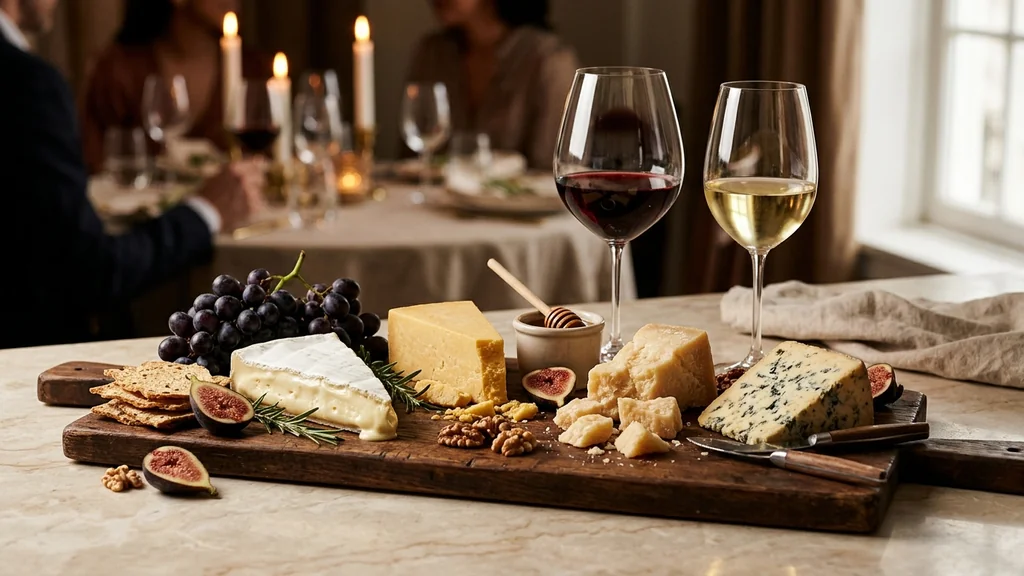
Wine and cheese pairing is the art and science of matching a wine’s flavor profile, acidity, tannins, and texture with a cheese’s fat, protein, moisture, and salt content to create complementary harmony on the palate. Among casual diners, a classic myth persists that heavy red wine is the automatic partner for every cheese. In reality, dense tannins in young red wines often clash with the salt and acidity of soft cheeses, producing bitterness and an unpleasant metallic aftertaste. Crisp dry white wines, Brut sparkling wines with fat-cleansing micro-bubbles, and fortified sweet wines are frequently far more versatile and rewarding across the world’s cheese families, from fresh Chèvre and oozing Brie de Meaux to nutty Gruyère, crystalline Parmigiano-Reggiano, and pungent Roquefort.
- The Science of Fat and Acid Balance: Milk fat and casein protein in cheese coat the tongue; natural acidity in wine acts as a palate cleanser that refreshes the mouth with every sip.
- The Red Wine vs. Cheese Myth: Firm tannins in bold red wines react poorly with high salt in soft, moist cheeses, which is why crisp white wines like Sauvignon Blanc or Brut sparkling wines often perform much better.
- Tannins Bind to Casein Protein: Bold, structured red wines such as Cabernet Sauvignon and Chianti Classico shine brightest alongside aged hard cheeses like Aged Cheddar and Parmigiano-Reggiano, which are rich in mature casein protein crystals.
- Four Core Cheese Families: Sommelier pairing classifies cheese into Fresh and Soft (Sauvignon Blanc or Sparkling), Soft-Ripened Bloomy Rind (Pinot Noir, Chardonnay, or Brut), Semi-Hard Nutty (Oaked Chardonnay or Merlot), Hard and Aged (Cabernet, Chianti, or Shiraz), plus Blue Cheese (Sweet Port Wine).
- Blue Cheese Contrast Harmony: The classic pairing of salty, pungent blue cheese like Roquefort or Gorgonzola with rich, sweet Port wine works through complementary contrast that softens the sharp blue mold aroma.
- Platter Serving Temperature Etiquette: Always remove cheese from the refrigerator 45 to 60 minutes before serving so the texture softens and aromatic oils open up at an ideal room temperature of 18 to 20 degrees Celsius.
The Science Behind Wine and Cheese: Why This Pairing Rules the Table
The tradition of enjoying wine with cheese stretches back thousands of years across the Mediterranean and rural Europe. An old French winemaker’s proverb even says: ‘Achetez sur le fromage et vendez sur la pomme’ (Buy wine over cheese, and sell wine over apples). Early merchants knew that cheese fat could mask flaws in poor wine, while the sharp acidity of apples would expose every imperfection.
In modern gastronomy and professional sommelier curation, however, pairing wine and cheese is not about hiding flaws. It is about achieving biochemical synergy on the palate:
- 1. Fat Coating and Acid Scrubbing: Cheese is a concentrated source of milk fat (lipids) and dense casein protein. When you chew a piece of Camembert or Gouda, fat molecules immediately coat the tongue and palate. Without a break, your palate experiences sensory fatigue and feels heavy. Tartaric and malic acids in wine act like a natural cleanser: wine acidity breaks down the fat emulsion on the tongue, restores freshness, and prepares the mouth for the next bite.
- 2. Tannin Polyphenols Meeting Casein Protein: As explored in our wine sensory flavor glossary , tannins are natural polyphenol compounds from grape skins, seeds, and oak barrels. Tannins bind to salivary proteins in the mouth, triggering a dry, astringent sensation. When tannins meet dense casein protein in aged hard cheese, they bind to the cheese protein instead and dissolve. The result is dramatic: the wine’s astringency softens into velvet, while the cheese’s savory saltiness tastes rounder and sweeter.
- 3. Sodium Salt and Fruit Perception: Cheese contains significant natural and curing salt. In taste science, sodium suppresses bitterness while amplifying sweetness. When you sip a fruit-forward wine after eating savory cheese, the salt makes cherry, blackberry, or peach notes in the wine taste far more expressive.
The Biggest Myth: Why White Wine Often Outperforms Red Wine
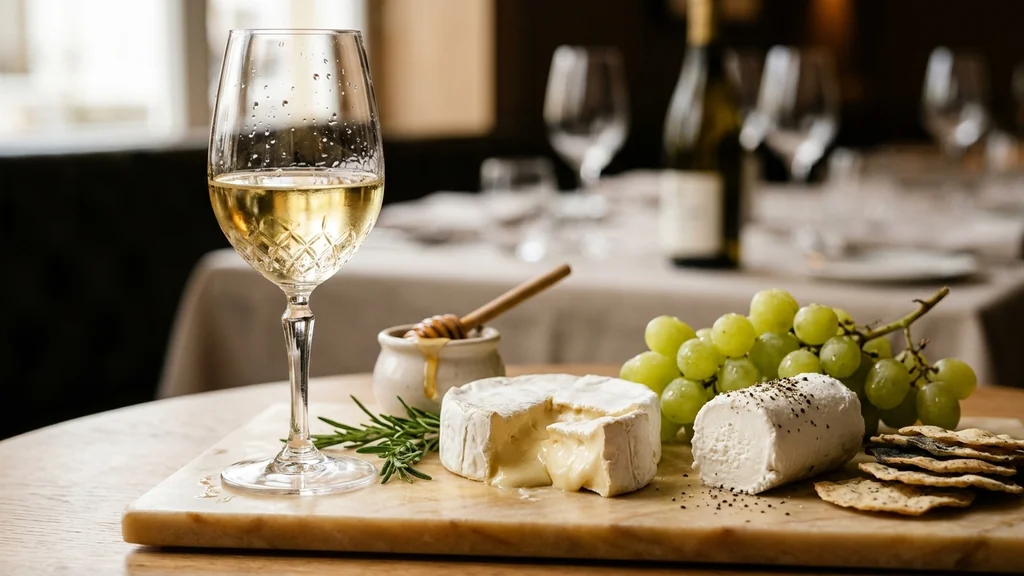
For many consumers in Indonesia, a wine and cheese night automatically means pouring a dark red wine into a large glass beside a cheese board. Yet Master Sommeliers worldwide agree that white wine is statistically far easier and safer to pair with most cheeses than red wine.
Why does this happen? There are three fundamental scientific reasons:
1. The Tannin and Salt Clash
Full-bodied red wines such as young Cabernet Sauvignon or Australian Shiraz carry high tannin concentrations. When dense tannins meet cheeses high in moisture, lactic acidity, and salt (such as fresh Chèvre, Feta, or wet Mozzarella), a destructive chemical clash occurs. Tannins oxidize against the salt and lactic acid, leaving a sharp bitterness, a gritty dryness, and a metallic aftertaste like rusted iron at the back of the throat.
2. The Versatility of White Wine
White wine is made without prolonged skin contact, so it is virtually free of harsh tannins. Its main strengths are crisp natural acidity, bright citrus fruit, mineral notes, and occasional vanilla-butter richness from oak aging (as in Chardonnay). As covered in our comparison of Sauvignon Blanc and Chardonnay characteristics , white wine profiles move in step with rich, creamy cheeses without ever overpowering the cheese’s true character.
3. The Magic of Sparkling Wine Bubbles
Alongside still white wines, dry sparkling wines, as detailed in our look at the crisp acidity of Brut sparkling wine , are the ultimate savior of the cheese table. Millions of fine carbon dioxide bubbles act as a mechanical scrub that lifts even the heaviest cheese fat off the palate in seconds.
The Four Pillars of Cheese Families and Their Ideal Wine Matches
To make choosing the right bottle easier in Peakwine’s full wine catalog , cheesemakers and sommeliers group cheeses into four main families based on moisture, culture type, and aging:
1. Fresh and Soft Cheese
- Popular Examples: Fresh Chèvre (French goat cheese), Mozzarella di Bufala, Burrata, Greek Feta, Ricotta.
- Sensory Profile: Unaged, very high moisture, wet or spreadable texture, fresh milk aroma, bright lactic tang, and light to moderate salt.
- Ideal Wine Matches: Dry Sauvignon Blanc, Pinot Grigio, or Brut Sparkling Wine.
- The Science Behind the Pairing: This follows the like-with-like principle. Fresh goat cheese has signature grassy aromas and lactic tang. Sauvignon Blanc from New Zealand or France’s Loire Valley offers fresh herbs, gooseberry, and high-energy citrus acidity that mirrors the cheese’s tang. Creamy, melting Burrata fat is also swept clean by sparkling wine bubbles without drowning its sweet milk flavor.
2. Soft-Ripened Bloomy Rind Cheese
- Popular Examples: Brie de Meaux, Camembert de Normandie, Triple Crème (Brillat-Savarin).
- Sensory Profile: Coated in a soft white rind from Penicillium camemberti mold, with a molten, buttery interior and aromas of fresh button mushrooms, damp straw, and rich butter.
- Ideal Wine Matches: Traditional Method Sparkling Wine (Champagne or Cava), Oaked Chardonnay, or Silky Red-Fruited Pinot Noir.
- The Science Behind the Pairing: The thick fat layer in Brie demands lively acidity or persistent bubbles so the palate never feels sticky. If you want a classic white wine match, oaked Chardonnay brings butter and toasted brioche notes that echo the cheese’s richness. If you prefer red wine, Pinot Noir is the safest choice: its silky tannins, fresh red cherry acidity, and forest floor notes embrace Brie’s earthy mushroom character without bitterness.
3. Semi-Hard and Nutty Cheese
- Popular Examples: Swiss Gruyère, French Comté, Emmental, Young Dutch Gouda, Italian Fontina.
- Sensory Profile: Aged 4 to 12 months, lower moisture, supple and elastic texture, savory flavors of toasted hazelnut or almond, with hints of caramel sweetness and rich broth.
- Ideal Wine Matches: Full-Bodied Oaked Chardonnay, Viognier, Soft Merlot, or Grenache / GSM Blend.
- The Science Behind the Pairing: Semi-hard cheeses balance butterfat with nutty pyrazine compounds. Full-bodied Chardonnay aged in oak barrels delivers vanilla, browned butter, and warm spice that pair naturally with melted Gruyère. On the red side, ripe plum fruit and rounded tannins in Merlot or a New World GSM blend cushion the cheese’s savoriness without drying out the palate.
4. Hard and Aged Cheese
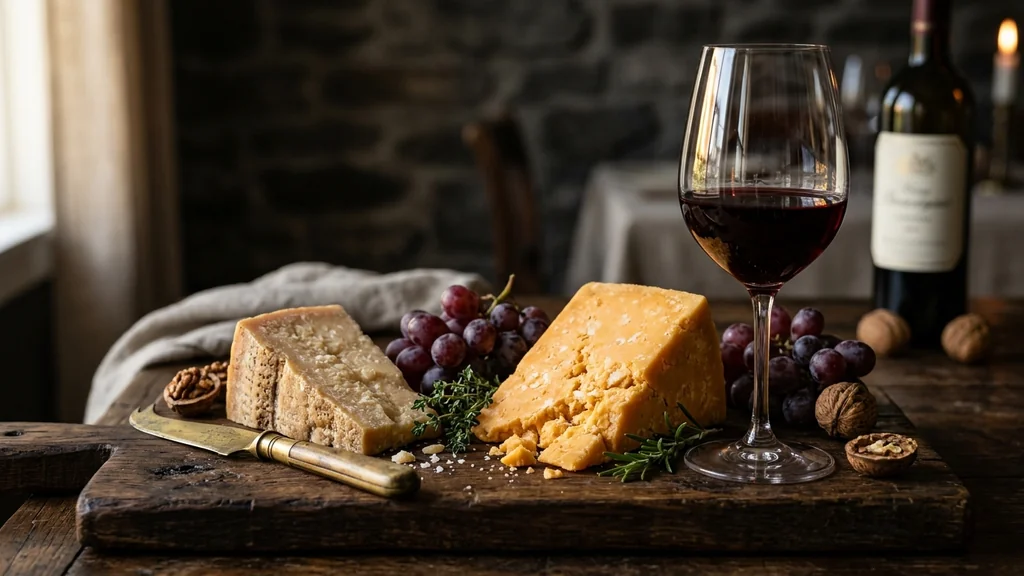
- Popular Examples: Aged Cheddar (18-24 months), Parmigiano-Reggiano DOP, Pecorino Romano, Spanish Manchego (sheep’s milk), Aged Gouda.
- Sensory Profile: Slowly dehydrated over years, dense and crumbly texture, studded with crunchy white tyrosine amino acid crystals, concentrated umami broth aroma, firm saltiness, and deep flavor.
- Ideal Wine Matches: Structured Bold Red Wines: Cabernet Sauvignon, Australian Shiraz, Chianti Classico Riserva, or Rioja Tempranillo.
- The Science Behind the Pairing: This is the main stage where flavor heavyweights meet. As explained in our Cabernet Sauvignon style guide , firm-tannin reds need dense protein to tame their astringency. The protein crystals and concentrated fat in Aged Cheddar or Parmigiano-Reggiano absorb Cabernet tannins instantly. The wine suddenly tastes remarkably smooth, blackcurrant fruit opens up, and the cheese’s savory finish lingers pleasantly.
5. Pungent Blue Cheese
- Popular Examples: French Roquefort (sheep’s milk), Italian Gorgonzola (Dolce and Piccante), English Blue Stilton.
- Sensory Profile: Pierced with needles to let air trigger Penicillium roqueforti mold growth, moist or crumbly texture with blue-green veins, pungent aroma, and bold, salty, peppery, deeply savory flavor.
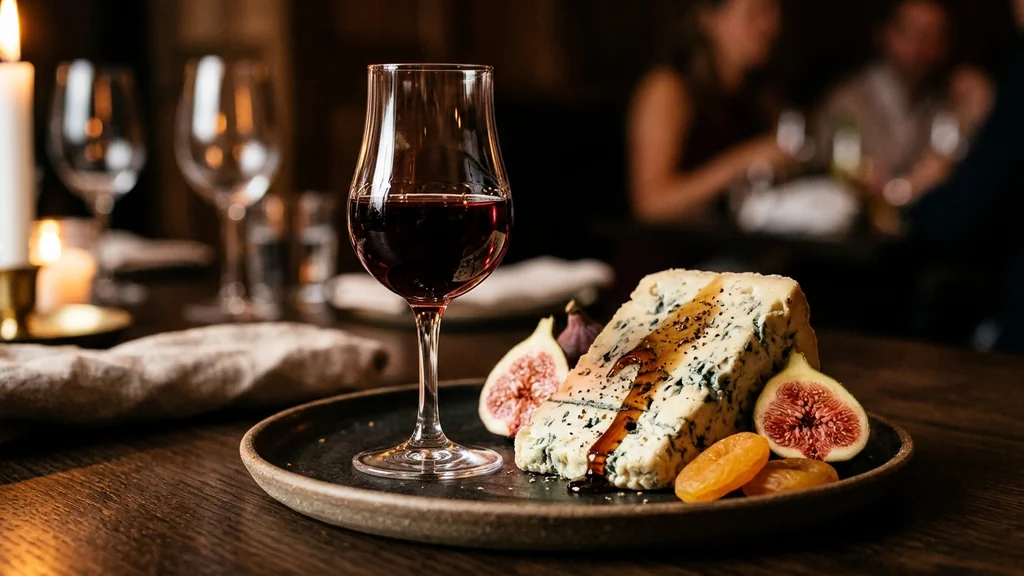
- Ideal Wine Matches: Fortified Sweet Wine: Port Wine (Tawny or Ruby), French Sauternes, or Late Harvest Sweet Wine.
- The Science Behind the Pairing: This is the most famous contrast pairing in gastronomy. Serving dry red wine with blue cheese invites a metallic clash. Yet when salty, spicy blue cheese meets rich, sweet Port wine at 19-20% ABV, concentrated natural sugar and dried fig notes soften the sharp mold bite, while the cheese’s salt keeps the Port from tasting cloying. The result is an addictive salted caramel effect.
Head-to-Head Comparison Table: 5 Cheese Categories and Their Ideal Wines
Here is a concise wine and cheese pairing matrix standardized by Peakwine sommeliers for quick reference at the table:
| Cheese Family | Popular Examples | Texture and Flavor Profile | Recommended Wine Varietals | Sommelier Interaction Principle |
|---|---|---|---|---|
| Fresh and Soft | Fresh Chèvre, Mozzarella, Burrata, Feta | Moist, bright lactic tang, fresh milk aroma, soft | Sauvignon Blanc, Pinot Grigio, Prosecco Brut | Citrus acidity mirrors fresh cheese tang and cuts wet fat without masking flavor |
| Soft-Ripened | Brie de Meaux, Camembert, Triple Crème | White bloomy rind, molten interior, savory butter flavor | Champagne Brut, Cava Clásico, chilled Pinot Noir | Active carbonation dissolves thick cream fat; silky Pinot Noir tannins stay gentle |
| Semi-Hard Nutty | Gruyère, Comté, Emmental, Young Gouda | Supple and firm, toasted nuttiness, light caramel | Oaked Chardonnay, soft Merlot, Viognier | Buttery oak notes align with nutty cheese; moderate acidity keeps balance |
| Hard and Aged | Aged Cheddar, Parmigiano, Pecorino, Manchego | Dry and crumbly, crunchy tyrosine crystals, deep umami, salty | Cabernet Sauvignon, Barossa Shiraz, Chianti Riserva | Dense fat and casein protein bind firm red tannins, softening astringency into velvet |
| Pungent Blue | Roquefort, Gorgonzola, Blue Stilton | Blue-veined mold, pungent aroma, sharp salt, peppery | Tawny Port, Ruby Port, Sauternes, Late Harvest | Sweetness neutralizes sharp mold saltiness and delivers a salted caramel burst |
Practical Guide to Arranging a Cheese and Wine Platter for Gatherings in Indonesia
Hosting a cheese and wine tasting at home or a private villa is now a popular lifestyle ritual in Jakarta, Bandung, and Bali. To give your gathering the polish of a five-star tasting room, follow these three practical charcuterie board guidelines:
1. The Temperature Rule
The most common mistake hosts make in Indonesia is serving cheese straight from the refrigerator. Cheese that is too cold (below 10 degrees Celsius) has a stiff, hard texture and solidified milk fat that locks away its aromatics.
Take cheese out of the chiller 45 to 60 minutes before guests taste it. Let it reach an ideal room temperature of 18 to 20 degrees Celsius in an air-conditioned room. At this temperature, Brie begins to soften gracefully, while Cheddar releases its full aroma. Meanwhile, keep wine temperatures dialed in: serve white and sparkling wines chilled at 8 to 10 degrees Celsius in an ice bucket, and red wines cool at 16 to 18 degrees Celsius.
2. The Clockwise Tasting Order
Arrange cheeses on a teak board or marble slab in a clockwise circle, moving from lightest to boldest:
- 12 O’Clock: Fresh Cheese (Fresh Chèvre or Mozzarella).
- 3 O’Clock: Soft Bloomy Rind Cheese (Brie or Camembert).
- 6 O’Clock: Semi-Hard and Hard Cheese (Gruyère or Aged Cheddar).
- 9 O’Clock: Blue Cheese (Gorgonzola or Stilton).
Guide your guests to taste the cheeses and sip the wines in this order. If someone eats blue cheese first, the sharp mold will overwhelm their palate and mask the delicacy of Brie or white wine.
3. Choosing the Right Condiments
A cheese board is incomplete without condiments, but make sure accompaniments do not clash with the wine:
- Bread and Crackers: Use crusty French baguette or plain, unflavored water crackers. Avoid crackers seasoned with garlic, artificial cheese powder, or sharp chili, as they will distort the palate.
- Fresh and Dried Fruit: Seedless red grapes, fresh figs, and Granny Smith green apple slices work well to cleanse the palate between bites. Dried apricots and black raisins pair naturally with aged cheeses and Port wine.
- Toasted Nuts: Walnuts, unsalted roasted almonds, and pecans add a crisp crunch that contrasts with creamy cheeses.
- Honey and Fruit Jams: A drizzle of pure forest honey or fig jam over blue cheese or goat cheese creates a rich sweet-and-savory balance.
Common Mistakes to Avoid When Pairing Wine and Cheese
Even experienced food lovers often fall into a few classic traps when matching wine with cheese:
- Pairing Heavy Red Wine with Fresh Goat Cheese: The sharp lactic acidity in goat cheese makes Cabernet Sauvignon taste bitter, astringent like ash, and metallic. Pair goat cheese exclusively with Sauvignon Blanc.
- Serving Dry Red Wine with Blue Cheese: Many people assume a pungent blue cheese requires an equally powerful red wine. This is a major mistake. Dry red wine lacks the residual sugar needed to temper the intense saltiness of blue cheese, resulting in a harsh, bitter clash. Always reach for sweet Port wine.
- Using the Same Knife for Every Cheese: Provide a separate knife for each cheese category on your charcuterie board. Cutting soft Brie with a knife just used on a pungent blue cheese will contaminate both the flavor and appearance of the softer cheese.
- Ignoring Regional Character (Terroir Match): When in doubt about a pairing, remember the golden rule of sommeliers: ‘What grows together, goes together.’ Pair Loire Valley Chèvre with Loire Sauvignon Blanc (Sancerre), Spanish Manchego with Rioja Tempranillo, and Italian Parmigiano-Reggiano with Chianti Classico from Tuscany.
6 Sommelier-Selected Wines for Your Cheese Board
To make hosting easier, the Peakwine sommelier team has curated six official, in-stock bottles from our temperature-controlled cellar, complete with direct ordering links and a 100 percent authenticity guarantee:
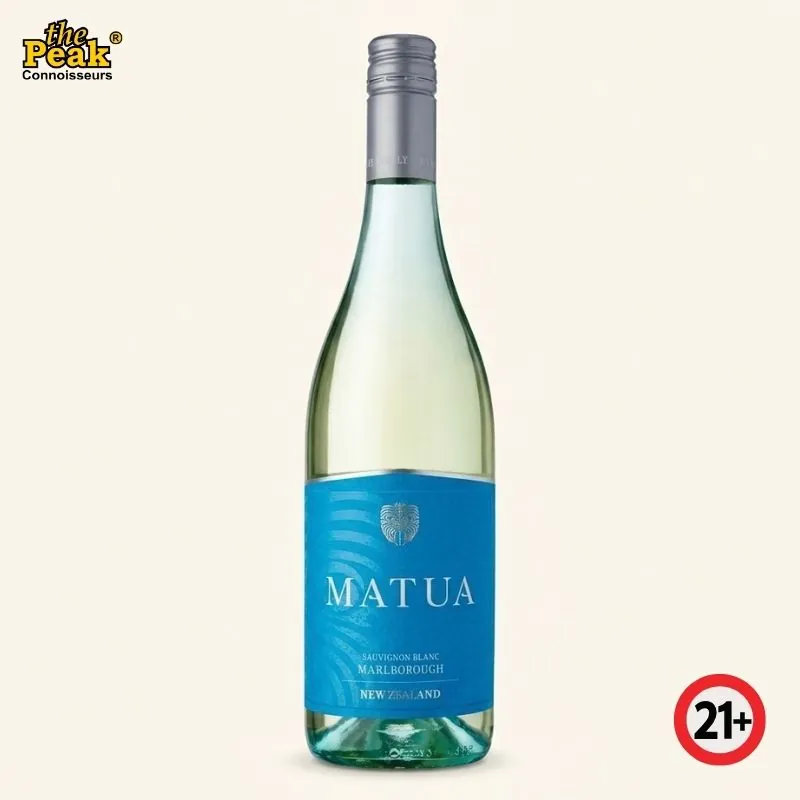
Matua Marlborough Sauvignon Blanc 2022 New Zealand 750ml
An iconic New Zealand Sauvignon Blanc bursting with ripe passionfruit, lime zest, and dewy fresh herbs. Its razor-sharp acidity cuts straight through the lactic tang of Chèvre and Burrata, delivering instant refreshment in every sip.
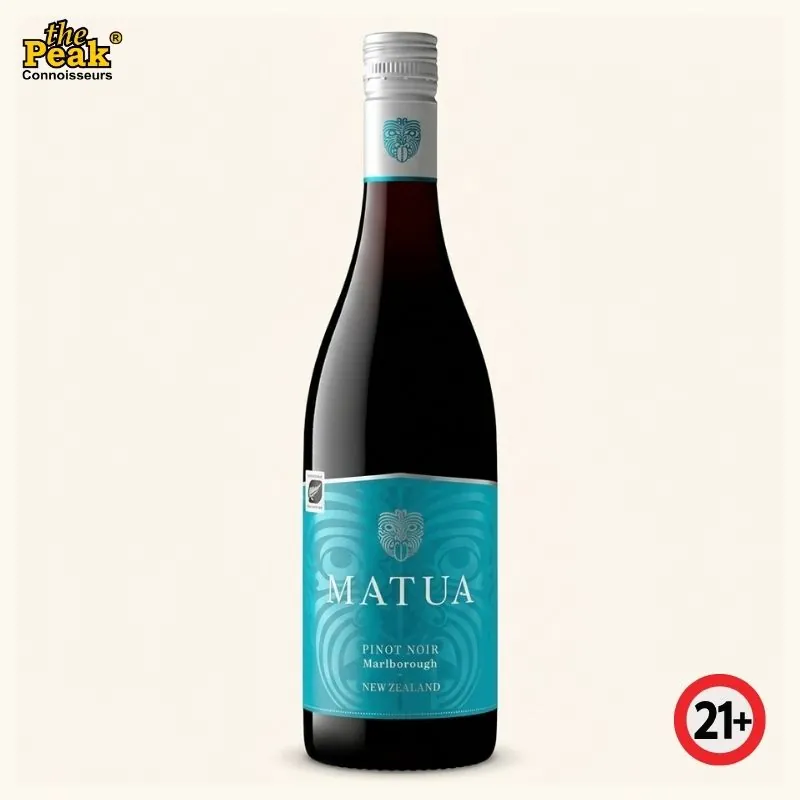
Matua Marlborough Pinot Noir 2022 New Zealand 750ml
The safest red wine choice for bloomy-rind cheeses like Brie and Camembert. It offers fine, supple tannins alongside aromas of ripe red cherry, wild raspberry, and earthy nutmeg spice that wrap around the cheese’s mushroomy notes without turning bitter.
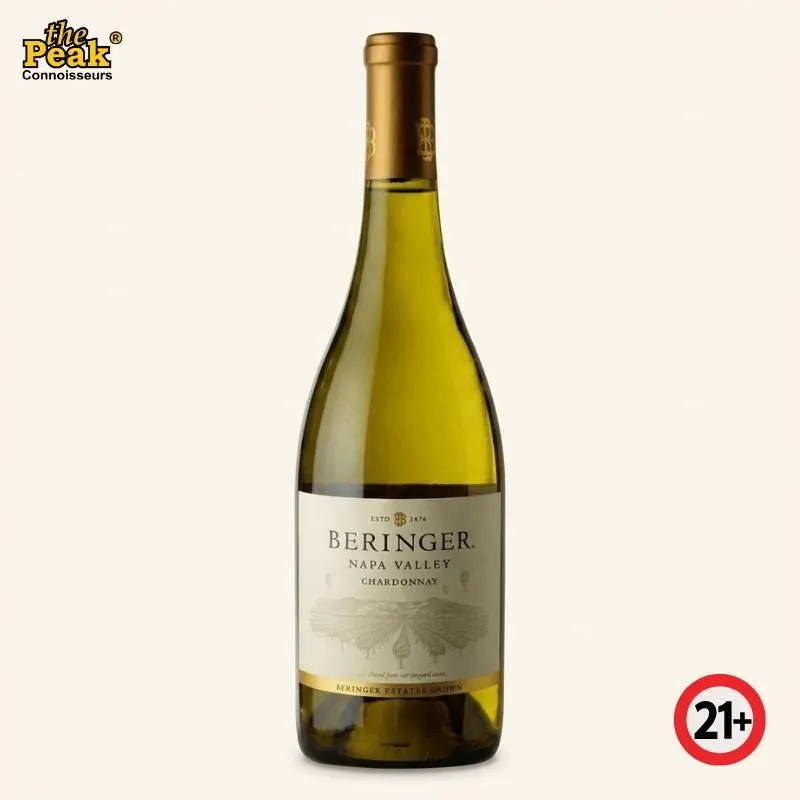
Beringer Napa Valley Chardonnay 2019 United States 750ml
A benchmark Napa Valley Chardonnay shaped by malolactic fermentation and quality oak aging. Notes of baked buttered apple, honeyed vanilla, and toasted brioche align naturally with the hazelnut savoriness of semi-hard Gruyère and Young Gouda.
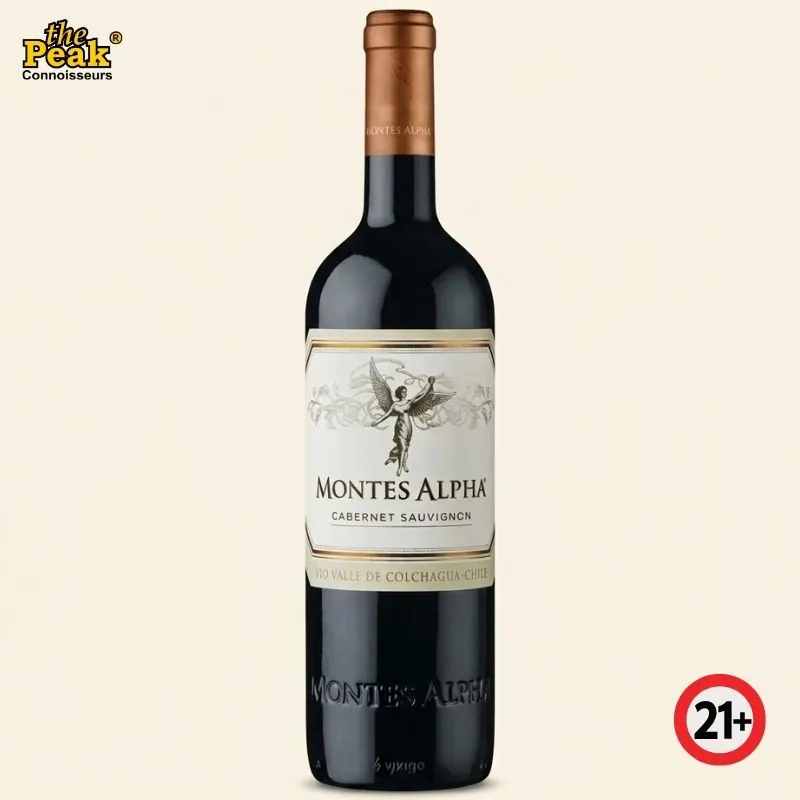
Montes Alpha Cabernet Sauvignon 2021 Chile 750ml
A pioneering Cabernet Sauvignon from Chile’s Colchagua Valley. Deep ruby in color, it opens with blackcurrant, ripe black cherry, cigar tobacco, and dark chocolate. Its firm, structured tannins are tamed immediately by the casein protein crystals in aged Cheddar, yielding a rich, smooth finish.
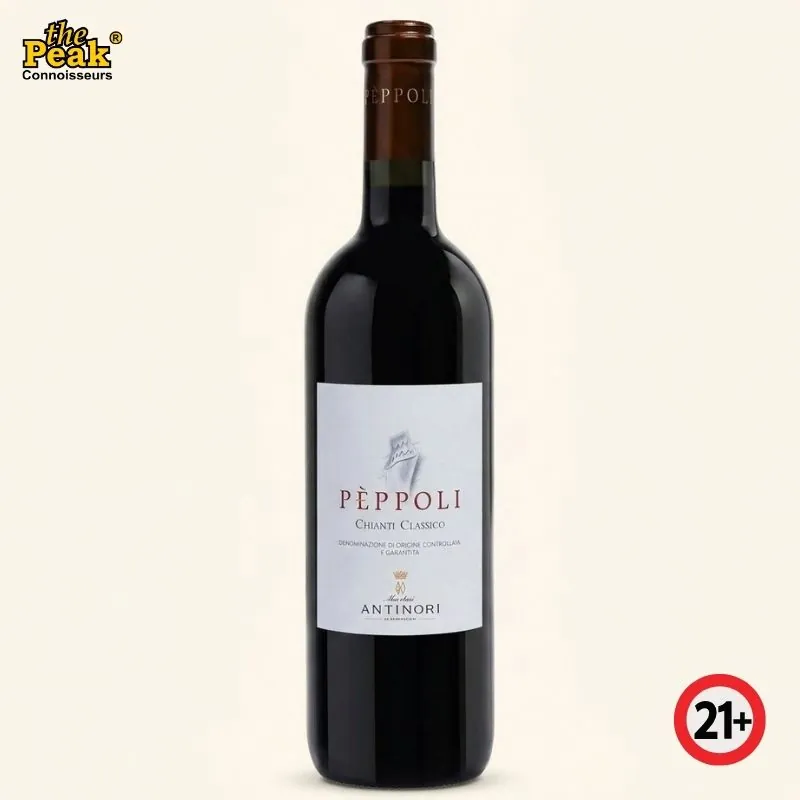
Antinori Peppoli Chianti Classico 2023 Italy 750ml
A noble expression from the Antinori estate in the heart of Tuscany, led by Sangiovese. The sour cherry acidity and Mediterranean herbal tannins of this Chianti Classico bind with the intense umami and crunchy salt crystals of aged Parmigiano in true Italian culinary harmony.
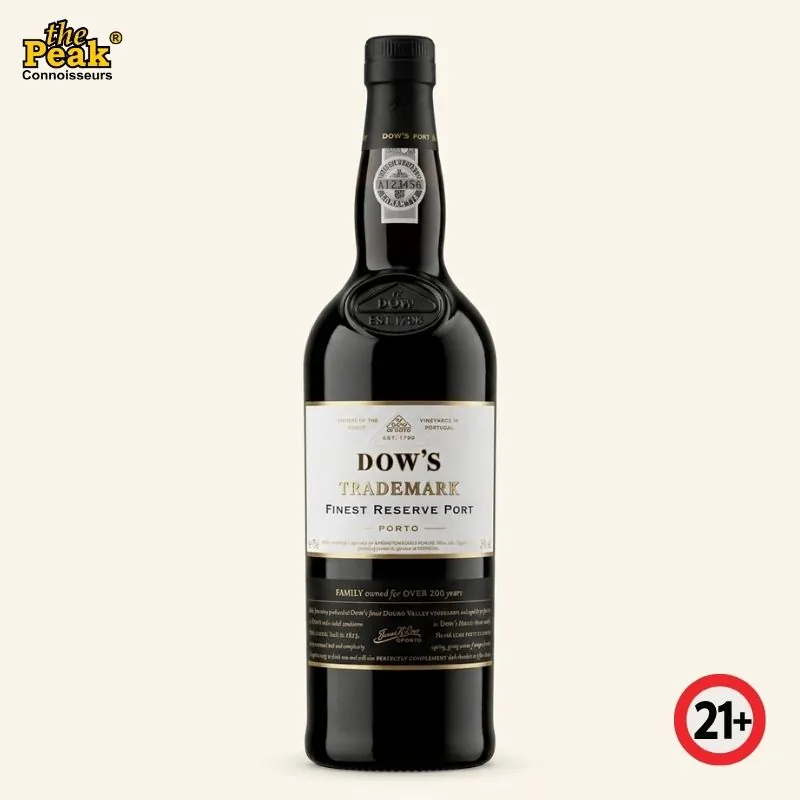
Dow’s Trademark Finest Reserve Port Portugal 750ml
A legendary fortified sweet wine from Portugal’s Douro Valley. At 19 percent ABV, it delivers natural sweetness of dried fig, black plum jam, burnt caramel, and dark chocolate. It neutralizes the sharp saltiness of Roquefort and Gorgonzola, creating an indulgent salted-caramel effect at the table.
Frequently Asked Questions About Wine and Cheese Pairing (FAQ)
Does red wine always pair well with every type of cheese?
No. The idea that red wine pairs with every cheese is one of the biggest myths in dining. Most cheeses, especially high-salt fresh cheeses or rich, creamy soft cheeses, turn bitter and metallic when paired with high-tannin reds like young Cabernet Sauvignon. Crisp white wines and Brut sparkling wines are far more versatile because they cut through dairy fat without clashing tannins.
What type of wine pairs best with Brie and Camembert?
For soft, bloomy-rind cheeses like Brie and Camembert, the best matches are Brut sparkling wines (such as Champagne or Cava), whose fine bubbles scrub rich butterfat from the palate, or round-textured whites like Chardonnay. If you prefer red wine, choose a light, silky red with bright red-fruit acidity like Pinot Noir so the cheese’s delicate earthy flavor is not overwhelmed.
Why do hard aged cheeses like Parmigiano and Aged Cheddar pair so well with bold red wine?
Cheeses aged for 12 to 24 months lose moisture naturally and break down casein proteins into crunchy, savory tyrosine amino acid crystals. This dense fat and protein chemically bind to the tannin polyphenols in bold red wines like Cabernet Sauvignon, Shiraz, or Chianti Classico, softening astringency on the palate and bringing out dark fruit and umami.
What wine goes best with blue cheese like Roquefort and Gorgonzola?
The classic partner for pungent blue cheese is fortified sweet wine, especially Port (Tawny Port or Ruby Port), or sweet Late Harvest and Sauternes wines. The piercing saltiness and Penicillium roqueforti mold aromas are balanced by dried-fruit sweetness and the 19 to 20 percent ABV warmth of Port, producing a rich sweet-and-savory harmony.
How should I build a cheese platter and wine selection for a home party?
For 4 to 8 guests, serve at least 3 to 4 cheeses from different families: one soft cheese like Brie, one semi-hard cheese like Gruyère, one hard aged cheese like Aged Cheddar, and one blue cheese. Pour two wines: one crisp white like Sauvignon Blanc and one medium-to-full-bodied red like Chianti or Cabernet. Take the cheese out of the refrigerator 45 to 60 minutes before serving so it reaches room temperature, and accompany it with neutral elements like French baguette, plain crackers, toasted walnuts, fresh grapes, and pure honey.
Conclusion: Finding Harmony in Every Bite and Sip
Pairing wine and cheese is not a rigid dogma that restricts your palate, but a practical exploration of how acidity, tannin, fat, and salt interact. Understanding three simple principles: acid cuts fat, tannin binds aged protein, and sweetness tames blue mold, gives you complete freedom to host memorable dinners and casual gatherings for family and friends.
From crisp Sauvignon Blanc with fresh goat cheese on a sunny afternoon to a glass of structured Cabernet Sauvignon beside a wedge of Aged Cheddar, Peakwine is ready to support your table. Every official bottle in our collection is stored under strict cold-chain standards so it arrives in peak condition. Enjoy exploring new combinations and great pairings in every glass.
Explore Curated Selections for Your Cellar
Authentic wines, spirits, and sake personally curated by our sommelier team with verified provenance and climate-controlled delivery.
Wine Guide Collection
Over 1,300+ red, white, and sparkling wines from acclaimed global producers.
Explore Wine Catalog → Premium SpiritsWhisky, Gin, and Vodka
Rare single malts, blended Scotch, artisan gin, and 100% agave tequila.
Explore Spirits Catalog → Cold-Chain GuaranteedSake and Asian Drinks
Authentic Japanese Daiginjo, Ginjo, Junmai sake and chilled Korean soju.
Explore Sake Collection → Instant Delivery22+ Official Outlets
Find the nearest Peakwine cellar outlet in Bandung and Jakarta for direct pickup.
Find Store Locations →


 By Wine Style
 Red Wine
 White Wine
 Sparkling Wine & Champagne
 Rosé Wine
 Dessert & Sweet Wine
 Fortified & Port Wine
 By Grape Variety
 Cabernet Sauvignon
 Shiraz
 Chardonnay
 Merlot
 Sauvignon Blanc
 Pinot Noir
 Tempranillo
 Sangiovese
 Malbec
 Grenache
 Semillon
 Primitivo
 Moscato
 Carmenere
 Riesling
 Pinot Grigio
 By Country & Region
 Australia
 France
 Chile
 Indonesia
 Italy
 Argentina
 Spain
 United States
 Portugal
 South Africa
 New Zealand
 Japan
 Germany
 By Taste & Sweetness
 Full-Bodied Wine
 Medium-Bodied Wine
 Light-Bodied Wine
 Sweet & Fruity Wine
 Dry Wine
 Curated Collections
 Best Sellers
 Everyday Value (< 500k)
 Reserve & Cellar

 Whisky & Whiskey
 Single Malt Scotch
 Blended Scotch
 Bourbon & Tennessee
 Japanese Whisky
 Irish Whiskey
 Gin
 London Dry Gin
 Dry Gin
 Tequila & Mezcal
 Vodka
 Premium & Craft Vodka
 Indonesian Vodka
 Rum
 White Rum
 Dark Rum
 Brandy Cognac
 Armagnac
 Liqueur
 Traditional Spirit


