

Old World vs New World Wine: Philosophy, Bottle Labels, and Terroir


📖 Table of Contents ▼
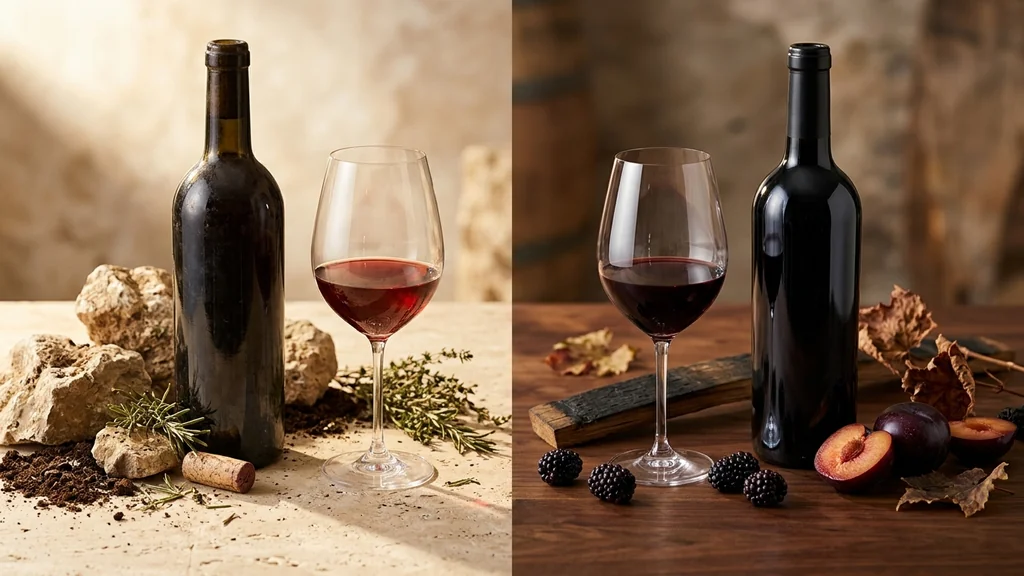
The fundamental difference between Old World vs New World wine lies in winemaking philosophy, regional climate, and sensory profile on the palate. Old World wine refers to bottles from European countries such as France, Italy, and Spain that emphasize centuries of tradition, terroir , crisp acidity, and earthy, mineral aromas. In contrast, New World wine comes from modern producing nations such as Australia and New Zealand, the United States, Argentina, and Chile that prioritize technological precision, warm sun-drenched climates, ripe fruit-forward character, and higher alcohol levels.
- Geographic Origin: The Old World covers Europe and the Mediterranean (France, Italy, Spain, Germany). The New World covers regions outside Europe (Australia, California in the United States, New Zealand, Argentina, Chile).
- Flavor Philosophy: The Old World prizes terroir and natural tradition, with crisp acidity, moderate alcohol, and an earthy profile. The New World relies on winemaker freedom, ripe sweet fruit, full body, and noticeable oak barrel influence.
- How to Read Labels: Old World bottles are named after geographic regions (such as Bordeaux, Chianti, Rioja). New World bottles are named directly after the grape variety (such as Cabernet Sauvignon, Shiraz, Sauvignon Blanc).
- Choosing by Palate: Choose Old World if you prefer structured wines that pair with rich, savory dishes. Choose New World if you prefer aromatic wines that appeal immediately from the first sip.
Quick Summary: Key Differences Between Old World and New World Wine
To compare both wine worlds at a glance, review the technical comparison matrix below.
| Comparison Parameter | Old World Wine | New World Wine |
|---|---|---|
| Producing Regions | France, Italy, Spain, Portugal, Germany, Austria | Australia, United States, New Zealand, Argentina, Chile, South Africa |
| Climate Character | Cooler to moderate, with significant vintage-to-vintage weather variation | Warmer, drier, with abundant and consistent sunshine |
| Core Philosophy | Terroir, history, traditional methods, minimal intervention | Science, precision technology, winemaker experimentation |
| Dominant Flavors | Mineral, wet earth, dried herbs, tart fresh fruit, floral notes | Ripe sweet fruit, fruit jam, vanilla, chocolate, mocha |
| Alcohol Level (ABV), | Lower to moderate (typically 11.5% to 13.5%) | Higher and warmer (typically 13.5% to 15.5%) |
| Acidity and Body Structure | High, crisp acidity with a leaner, structured texture | Softer acidity with a full-bodied, dense palate |
| Label Naming | By region or village (Appellation, e.g., Chablis, Barolo), | By grape variety (Varietal, e.g., Chardonnay), |
Two Distinct Philosophies: Terroir Tradition vs Science and Innovation
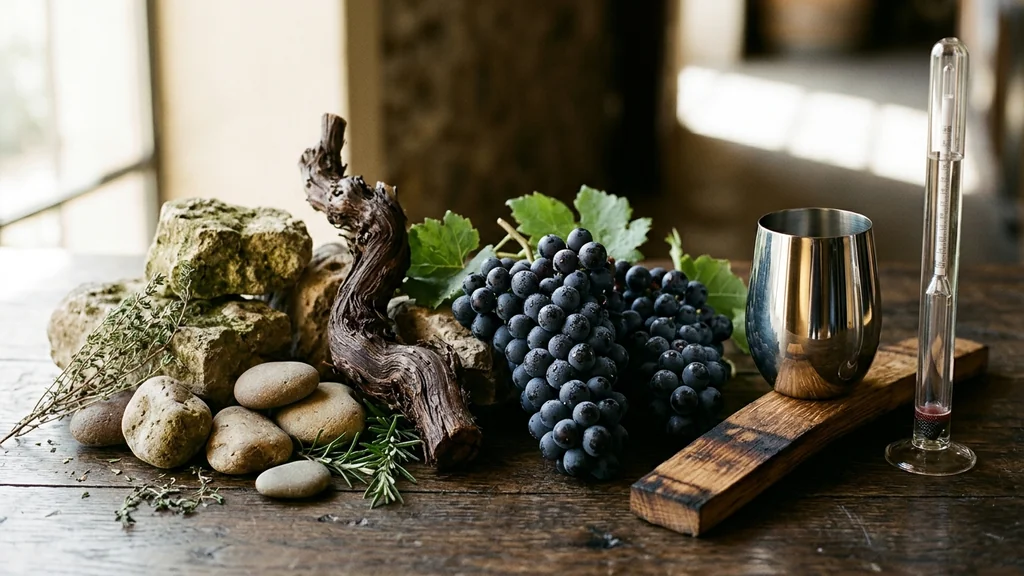
Differences in wine flavor do not happen by chance. Behind every bottle you open is a winemaking worldview passed down through generations in Europe or shaped by modern entrepreneurship in the Southern Hemisphere and the Americas.
Old World: Respecting Nature and Strict Appellation Laws
For producers in Old World countries such as France or Italy, wine is made in the vineyard, not the laboratory. They follow the concept of terroir , the complete union of soil type, hillside slope, sunlight intensity, rainfall, and local microbial ecosystems that cannot be replicated elsewhere.
Old World winemakers view themselves as stewards of the land. They adhere to strict government regulations, such as Appellation d’Origine Contrôlée (AOC) in France or Denominazione di Origine Controllata e Garantita (DOCG) in Italy. These laws dictate which grape varieties may be planted in a village, maximum harvest yields per hectare, restrictions on artificial irrigation, and minimum oak aging before release.
New World: Freedom to Experiment and Technological Precision
By contrast, New World countries are not bound by centuries of feudal tradition. When European immigrants brought vine cuttings to Australia, California, and Argentina in the 18th and 19th centuries, they brought a pioneering spirit. New World winemakers can plant any variety anywhere, create unconventional blends, and adopt modern technology.
In Australia and California, vineyards use computerized drip irrigation, satellite soil-moisture sensors, and temperature-controlled stainless steel fermentation tanks. The result is remarkable consistency from vintage to vintage, with less vulnerability to extreme weather swings.
Sensory Profile: Earthy and Mineral vs Fruit-Forward and Bold
When you pour wine into a crystal glass, the philosophical and climatic differences between these two regions show immediately on the nose and palate. As covered in our detailed guide to wine flavor traits such as body, tannin, and acidity , the balance between fruit sugar and acidity depends heavily on the climate where the grapes are harvested.
Old World Flavor Profile: Crisp Acidity, Lower Alcohol, and Earthy Complexity
Europe’s cooler climate allows grapes to ripen slowly. Vines do not accumulate excessive sugar, so alcohol levels after fermentation remain moderate, around 12% to 13.5%. Crucially, the grapes retain high natural acidity.
On the palate, Old World wines offer layers of damp earth ( earthy ), wet stone, dried leaves, tobacco, tree bark, and tart red fruit such as red cherry or red currant. They feel lively and clean in the mouth, which makes them natural food wines because their acidity cuts through rich, savory dishes.
New World Flavor Profile: Ripe Fruit, Full Body, and Oak Barrel Influence
In New World regions such as Australia’s Barossa Valley, Argentina’s Mendoza, and California’s Napa Valley, the sun shines intensely throughout the growing season. Abundant sunlight drives maximum photosynthesis, producing grapes with high natural sugar levels.
Yeast converts this sugar into higher alcohol, often reaching 14% to 15.5%. The resulting wines are dense and full-bodied, greeting the palate with fruit-forward flavors of blackberry jam, ripe black plum, and sweet black cherry. New World producers also frequently age their wines in new oak , adding notes of sweet vanilla, toasted coconut, caramel, and baking spice.
How to Read Bottle Labels: Geographic Appellations vs Grape Varieties
One of the biggest hurdles for new wine drinkers standing in front of a shop shelf is decoding the label. Why do some bottles state the grape name clearly while others list only an unfamiliar place name?
The Mystery of European Labels: Buying by Region (Appellation),
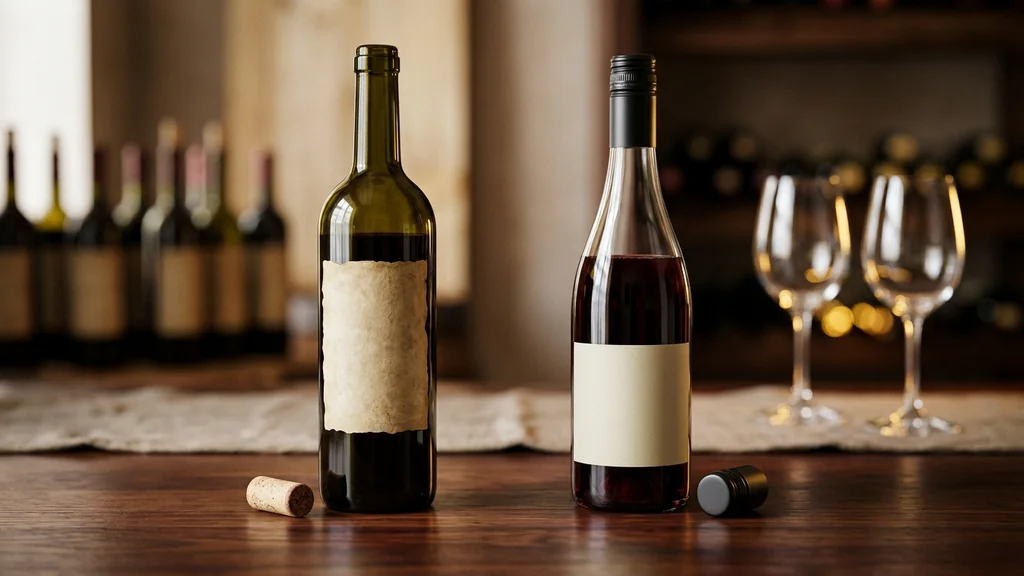
On Old World bottles, the focus is where the wine comes from, not the grape variety. Producers assume drinkers already know the regional grape rules. For example,
- If a French bottle says Chablis , it is 100% Chardonnay, even though the word “Chardonnay” never appears on the front label.
- If a bottle says Bordeaux Rouge , it is a blend of Cabernet Sauvignon, Merlot, and Cabernet Franc.
- If an Italian bottle says Chianti , the primary grape is Sangiovese. If it says Barolo , the grape is 100% Nebbiolo.
- If a Spanish bottle says Rioja , the main grape is Tempranillo.
For a complete breakdown of European regions and grape laws, read our guide to wine regions and origins .
The Practicality of New World Labels: Buying by Grape Variety
New World producers flipped this system for global clarity. They use varietal labeling . You will see the grape name printed prominently on the front label, Cabernet Sauvignon , Shiraz , Sauvignon Blanc , or Pinot Noir .
Regional names such as “Barossa Valley”, “Marlborough”, or “Napa Valley” still appear, but as supporting context. This approach gives newcomers more confidence because they know the core flavor profile before opening the bottle.
Taste Duel: Three Popular Grapes Across Both Worlds
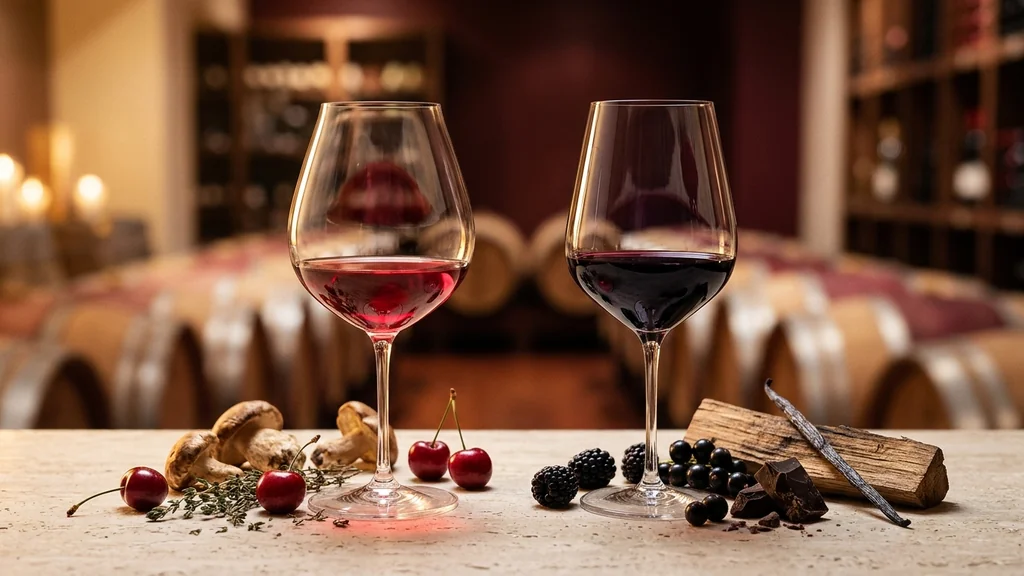
The best way to experience the Old World vs New World divide is to taste the exact same grape grown in two different hemispheres. Here is how three of the world’s most popular varieties compare.
1. Cabernet Sauvignon: Dry Bordeaux vs Lush Napa and Australia
- Old World (Bordeaux, France): More structured, with alcohol around 13%. It shows firm, grippy tannins, tart black currant, cigar box, cedarwood, and pencil lead. It tastes dry and benefits from rich food.
- New World (Napa Valley, United States or Coonawarra, Australia): Full-bodied and concentrated, with alcohol at 14.5% or higher. Expect ripe blackberry, cassis jam, sweet oak vanilla, dark chocolate, and plush, velvety tannins.
Explore This Region Further: Read our sommelier’s complete review of Left Bank vs Right Bank blending secrets and the historic classifications of this region in our guide to understanding Bordeaux wine and its character.
2. Pinot Noir: Forest-Floor Burgundy vs Bright Marlborough
- Old World (Burgundy, France): Pale, translucent ruby color. It delivers tart red cherry acidity, damp forest floor , wild mushroom, and black tea spice with understated complexity.
- New World (Marlborough, New Zealand or Oregon, United States): Brighter color with ripe raspberry, pomegranate, sweet black cherry, a touch of cinnamon, and a supple texture without sharp acidity.
3. Syrah vs Shiraz: Rhône Valley vs Barossa Valley
The most iconic example of this divide even carries two different names for the same grape. In France, it is called Syrah , producing leaner wines with cracked black pepper, black olive, and smoked meat. In Australia, it is called Shiraz , turning into a deep, full-bodied wine packed with sweet black plum jam and mocha chocolate. Read our detailed comparison of French Syrah vs Australian Shiraz .
Buying Guide: Which Style Fits Your Palate?
Neither category is inherently superior. Choosing between the Old World and New World comes down to your personal palate and the occasion.
- Choose Old World Wine if: You enjoy crisp acidity that keeps the palate refreshed, complex earthy and herbal aromas, moderate alcohol, and a natural partner for formal meals such as peppercorn steak, aged Italian cheese pasta, or roast duck.
- Choose New World Wine if: You are new to wine, prefer approachable ripe fruit flavors, enjoy a lush, warming full body, or want an easy-drinking glass in the evening without heavy food.
If you are just starting your wine exploration, we recommend reading our complete beginner’s guide to wine to learn about glassware and ideal serving temperatures.
6 Recommended Bottles in the Peakwine Catalog
To taste the philosophical divide between both worlds at your own table, explore six active standout bottles from our curated wine collection at Peakwine , consisting of three Old World and three New World selections:
Frequently Asked Questions (Old World vs New World Wine FAQ)
Not necessarily. The idea that Old World wine is always superior is an outdated myth. While some of the world’s priciest bottles hail from Bordeaux and Burgundy, New World regions like Australia, the United States, and New Zealand consistently produce world-class fine wines that frequently outperform European labels in international blind tastings. Final quality depends on producer dedication and vintage conditions, not the age of a country’s winemaking tradition.
Higher alcohol levels stem from warmer climates and abundant year-round sunshine in New World regions. Sunlight encourages grapes to develop more natural sugar. During fermentation, yeast converts that sugar into alcohol, resulting in higher ABV levels (often 14% to 15.5%) compared to cooler European regions.
Terroir is a French term describing the unique combination of natural environmental factors where grapes are grown. These include soil composition (clay, limestone, gravel), hillside slope, daily sun exposure, rainfall, wind, and local microclimate. The concept holds that a wine’s flavor profile is a pure reflection of its native soil that cannot be replicated elsewhere.
For most beginners in Indonesia, New World wines are generally easier to enjoy on the first sip. Their fruit-forward character, softer acidity, and straightforward varietal labels offer a friendly tasting experience without excessive astringency.
Look at the main text on the front label. If the largest text is a region name such as Bordeaux, Chianti, Rioja, or Chablis, the bottle comes from the European Old World. If the largest text is a grape variety such as Cabernet Sauvignon, Shiraz, or Sauvignon Blanc, the bottle almost certainly comes from the New World.
Conclusion: Enjoying the Best of Both Wine Worlds
Understanding the difference between Old World vs New World wine opens the door to deeper appreciation for every wine drinker. The Old World brings traditional grace, food-friendly acidity, and earthy mineral complexity rooted in history. On the other hand, the New World offers bold fruit expression, boundless innovation, and modern accessibility.
These two worlds do not cancel each other out; they complement each other on your table. Browse Peakwine’s complete catalog to choose your favorite Old World or New World bottle, and find the right flavor profile for every occasion.
Explore Curated Selections for Your Cellar
Authentic wines, spirits, and sake personally curated by our sommelier team with verified provenance and climate-controlled delivery.
Wine Guide Collection
Over 1,300+ red, white, and sparkling wines from acclaimed global producers.
Explore Wine Catalog → Premium SpiritsWhisky, Gin, and Vodka
Rare single malts, blended Scotch, artisan gin, and 100% agave tequila.
Explore Spirits Catalog → Cold-Chain GuaranteedSake and Asian Drinks
Authentic Japanese Daiginjo, Ginjo, Junmai sake and chilled Korean soju.
Explore Sake Collection → Instant Delivery22+ Official Outlets
Find the nearest Peakwine cellar outlet in Bandung and Jakarta for direct pickup.
Find Store Locations →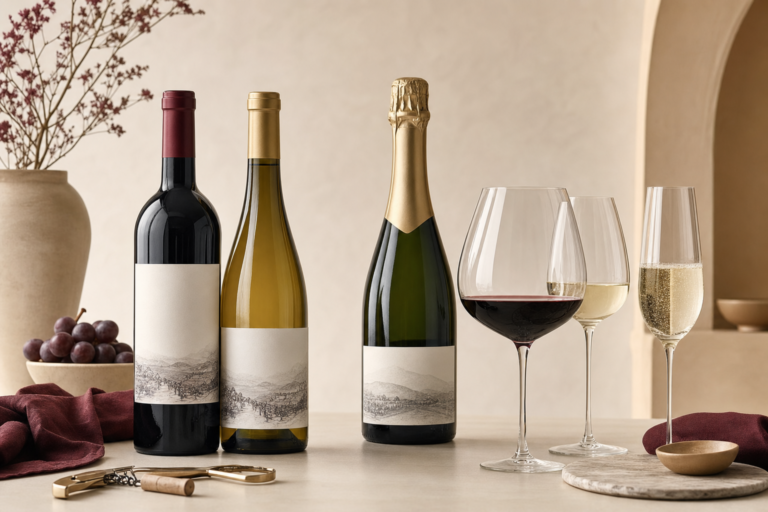

 By Wine Style
 Red Wine
 White Wine
 Sparkling Wine & Champagne
 Rosé Wine
 Dessert & Sweet Wine
 Fortified & Port Wine
 By Grape Variety
 Cabernet Sauvignon
 Shiraz
 Chardonnay
 Merlot
 Sauvignon Blanc
 Pinot Noir
 Tempranillo
 Sangiovese
 Malbec
 Grenache
 Semillon
 Primitivo
 Moscato
 Carmenere
 Riesling
 Pinot Grigio
 By Country & Region
 Australia
 France
 Chile
 Indonesia
 Italy
 Argentina
 Spain
 United States
 Portugal
 South Africa
 New Zealand
 Japan
 Germany
 By Taste & Sweetness
 Full-Bodied Wine
 Medium-Bodied Wine
 Light-Bodied Wine
 Sweet & Fruity Wine
 Dry Wine
 Curated Collections
 Best Sellers
 Everyday Value (< 500k)
 Reserve & Cellar

 Whisky & Whiskey
 Single Malt Scotch
 Blended Scotch
 Bourbon & Tennessee
 Japanese Whisky
 Irish Whiskey
 Gin
 London Dry Gin
 Dry Gin
 Tequila & Mezcal
 Vodka
 Premium & Craft Vodka
 Indonesian Vodka
 Rum
 White Rum
 Dark Rum
 Brandy Cognac
 Armagnac
 Liqueur
 Traditional Spirit


