

Understanding Rosé Wine: Winemaking, Fresh Flavor Profile, and Best Ways to Enjoy It


📖 Table of Contents ▼
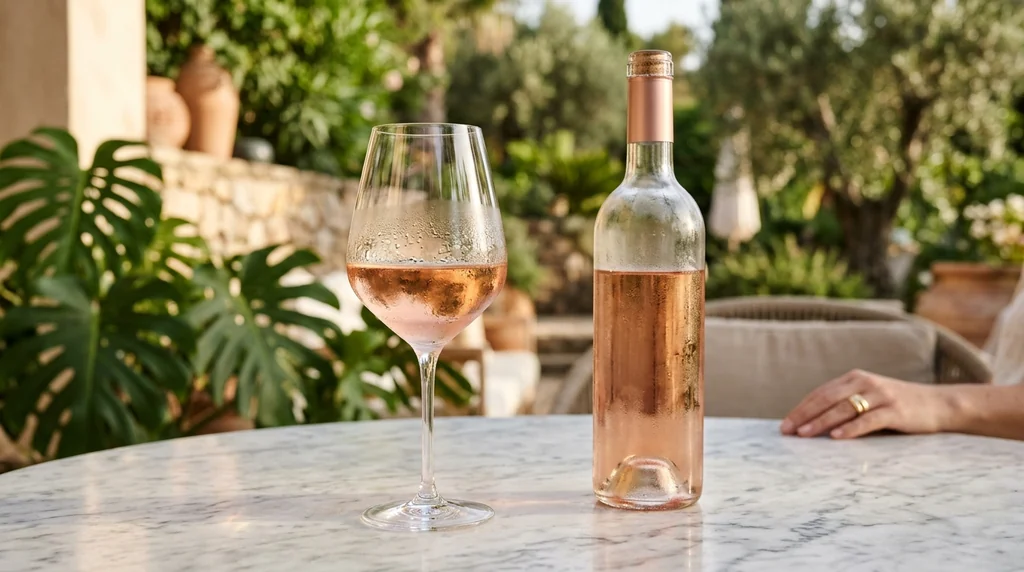
Rosé wine is a pink-hued wine (ranging from pale salmon to light ruby) made from red grapes through a brief skin contact maceration lasting 2 to 24 hours. Red grape pulp naturally yields clear juice. The pink hue of rosé does not come from mixing red and white wine. Instead, it is extracted naturally from anthocyanin pigments in the red grape skins before the skins are pressed off and the juice is fermented cold like white wine. The result is an approachable wine that combines the crisp acidity of white wine with the bright red berry aromatics of red wine.
- Not a Blend of Red and White Wine: Under European Union viticultural law and international standards, producing still rosé by directly blending red and white wine is strictly prohibited (with Rosé Champagne as the sole exception).
- The Science of Skin Contact: The pink color is extracted purely from red grape skins during a very brief maceration (2 to 24 hours), far shorter than the weeks of skin contact used for red wine.
- Most Fine Rosés Are Dry: Contrary to the common assumption that all pink wines are sweet, the majority of leading rosés worldwide (such as those from Provence in France and Italy) are dry rosés with less than 4 grams of residual sugar per liter.
- A Food-Friendly Chameleon: Combining the crisp acidity of white wine with the red fruit aromatics of red wine, rosé pairs naturally with grilled seafood, tapas, and spiced Indonesian dishes such as ayam taliwang and crispy fried duck.
- Chilled Serving Temperature (7-10°C): Rosé wine should always be served chilled so its natural acidity stays crisp and refreshing in Indonesia’s tropical climate.
Debunking the Biggest Myth: Is Rosé Made by Mixing Red and White Wine?
Among new wine drinkers in Indonesia, one of the most common misconceptions is that rosé is made simply by pouring red wine and white wine together into one tank. Visually, that assumption makes sense: mixing deep red liquid with clear white liquid produces pink.
In professional viticulture and winemaking, however, that practice is taboo and strictly illegal. European Union regulations under France’s Appellation d’Origine Contrôlée (AOC), Italy’s Denominazione di Origine Controllata e Garantita (DOCG), and Spain’s Denominación de Origen (DO) forbid producers from blending red and white wine to make still rosé. If a winemaker in Provence mixed red and white wine to produce rosé, the wine would lose its quality certification and be barred from commercial sale.
So where does that pink color actually come from? The answer lies in grape anatomy. As explained in our complete beginner’s guide to wine , if you pick a red grape from the vine, whether Cabernet Sauvignon, Syrah, Grenache, Cinsault, or Pinot Noir, and peel off its skin, you will see that the flesh inside is pale and translucent. The free-run juice of a red grape has no red pigment.
The pigment responsible for red color is called anthocyanin, and it sits almost exclusively in the outer skin of the grape. Winemakers control the shade of rosé by timing how long the clear juice stays in contact with the crushed red skins. The shorter the contact, the paler and more delicate the pink hue.
Three Main International Methods for Making Rosé Wine
To achieve different shades and aromatic profiles, winemakers around the world rely on three time-tested vinification techniques:
1. Short Maceration Method
Maceration is the most classic and widely used technique for producing high-quality rosé worldwide, especially in the Côtes de Provence in southern France. In this method, red grapes are harvested specifically for the sole purpose of making rosé.
Freshly picked grapes are gently crushed, and the juice is left to soak with the skins in temperature-controlled tanks. This skin contact lasts only 2 to 24 hours, depending on the pigment density of the grape variety and the desired shade. Once the pale salmon-pink hue is reached, the juice is immediately pressed off to separate all solid skins. The clear pink juice is then fermented like white wine at low temperatures (14-18°C) to preserve fresh fruit aromatics.
2. Saignée Method (Bleeding from Red Wine Tanks)
The second method is known by the French term Saignée, which literally means ‘bleeding.’ Unlike maceration, where grapes are harvested specifically for rosé, the Saignée method begins as a byproduct of making concentrated, full-bodied red wine.
When winemakers want a red wine with deeper color, firmer tannin, and more intense fruit concentration, they bleed off roughly 10-20% of the light pink juice from the top of the fermentation tank during the first few hours. This raises the ratio of grape skins to juice in the main tank, yielding a more structured red wine. Meanwhile, the bled-off pink juice is fermented separately into a bolder rosé with a deeper cherry-ruby color, medium body, and a touch of fine tannin on the palate.
3. Direct Pressing (Vin Gris)
The third method is direct pressing, which produces the palest rosé styles in the world, often called Vin Gris (‘gray wine’) because the color resembles white wine with a faint pink-gray tint. Dark-skinned red grapes are loaded straight into a pneumatic press without any separate soaking period. Contact between juice and skins occurs only briefly during pressing, yielding a rosé with sharp citrus acidity, chalky mineral notes, and delicate fruit.
The Special Exception: Rosé Champagne and French Blending Rules
The only legal exception in Europe that permits blending red and white wine is sparkling Rosé Champagne in northern France, known as Rosé d’Assemblage. In this historic region, Champagne houses are officially permitted to add 5-15% still red wine (Pinot Noir or Pinot Meunier from Grand Cru villages such as Bouzy or Ambonnay) to a white Chardonnay-dominant base cuvée before secondary fermentation in the bottle.
The Sweetness Spectrum: True Dry Rosé vs. Sweet Blush Wine
New wine drinkers in Indonesia often ask whether all rosé wines taste sweet like strawberry syrup. In reality, most of the world’s most popular and respected rosés are dry wines with no perceptible sweetness.
1. Dry Rosé (Classic European and Old World Style)
European wine regions such as Provence in southern France, Cerasuolo d’Abruzzo in central Italy, and Navarra in Spain treat wine as a refreshing partner for food. As covered in our look at the differences between Old World and New World wine , Old World producers allow yeast to ferment all natural grape sugars to dryness. Residual sugar in the finished bottle is very low, typically below 4 grams per liter.
When you taste a chilled dry rosé from Provence or Italy, you get crisp citrus acidity, fresh watermelon, underripe wild strawberry, rose petal, and clean minerality. It finishes dry and refreshing without coating the palate, making it an ideal aperitif before a meal.
2. Sweet and Semi-Sweet Rosé (New World Blush Style)
At the other end of the spectrum are sweet and semi-sweet rosés favored by beginners. As noted in our guide to sweet wines for beginners , this style was popularized by California White Zinfandel and adapted locally in Bali by producers such as Sababay Pink Blossom. Winemakers chill the tank early to halt fermentation, leaving 20 to 45 grams per liter of natural sugar for soft flavors of strawberry jam and fresh pomegranate syrup.
Understanding Rosé Flavor Profiles Through 5 Vivino Sensory Scales
As outlined in our sommelier wine tasting glossary , evaluating a bottle of rosé means looking objectively at five sensory pillars on the palate:
- 1. Body (Weight on the Palate): 2/5 (Light to Medium) Rosé has a light to medium body. It carries more weight on the palate than a lean Sauvignon Blanc, yet feels far lighter and more agile than a dense Cabernet Sauvignon or Malbec. It never feels heavy.
- 2. Tannin (Astringency on the Gums): 1/5 (Very Low) Because skin contact lasts only a few hours, tannin extraction is minimal. You will not experience the drying grip associated with red wine, making rosé an easy choice for anyone sensitive to astringency.
- 3. Acidity (Crispness on the Palate): 4/5 (High and Crisp) Acidity is the backbone of rosé. Bright malic and citric acidity stimulates salivation immediately, giving the wine its refreshing lift and cutting cleanly through rich or oily food.
- 4. Sweetness (Residual Sugar Spectrum): 1/5 (Bone Dry) to 4/5 (Semi-Sweet) This depends on the bottle you choose. Provence styles sit at 1/5 (completely dry), while Bali styles such as Sababay Pink Blossom sit around 3/5 to 4/5 (softly sweet and fruit-forward).
- 5. Aroma and Flavor Notes (Red Fruit Profile): Classic notes include wild strawberry, raspberry, rose petal, fresh watermelon, cantaloupe, mandarin zest, and wet limestone.
Head-to-Head Comparison of Popular World Rosé Styles
To help you pick the right bottle for your palate, the table below compares four of the world’s most recognized rosé styles:
| Region and Rosé Style | Primary Grape Varieties | Color in the Glass | Dominant Flavor Profile | Sweetness Level | Ideal Food Pairings |
|---|---|---|---|---|---|
| Côtes de Provence (France) | Grenache, Cinsault, Syrah | Very pale salmon pink (onion-skin) | Wild strawberry, watermelon, wet limestone | Dry (no residual sweetness) | Shellfish, fresh oysters, Mediterranean salad, fish carpaccio |
| Cerasuolo d’Abruzzo (Italy) | Montepulciano | Bright translucent cherry-red | Sour marasca cherry, pomegranate, dried rose | Dry with medium body (structured) | Margherita pizza, tomato-sauce pasta, roasted poultry |
| Chilean and New World Rosé | Pinot Noir, Syrah, Malbec | Ripe pomegranate pink | Ripe raspberry, red plum, bright citrus acidity | Dry to off-dry (fruit-forward) | Butter-seared salmon, tuna sushi, Peking roast duck |
| Indonesian Tropical Rosé (Bali) | Alphonse Lavallée, Muscat | Bright sparkling pink | Sweet cherry, rose petal, fresh strawberry syrup | Semi-sweet (soft fruit sweetness) | Spiced grilled chicken, spicy snacks, fresh fruit desserts |
Practical Guide to Serving Rosé: Temperature, Glassware, and Tropical Climates
Getting the best out of a bottle of rosé comes down to proper serving temperature and glassware:
1. Ideal Serving Temperature: Refrigerator Chilled (7-10°C)
Temperature is the single most important factor when serving rosé. At Indonesian room temperature (28-32°C), alcohol evaporates too aggressively, acidity feels flat, and the wine loses its freshness. Served too cold below 5°C, your palate numbs and delicate floral aromas stay locked in the glass. The sweet spot is 7-10°C after 3 to 4 hours in the refrigerator.
2. Beating Tropical Heat: The 50:50 Ice Bucket
In a tropical climate like Indonesia, a chilled bottle left on an outdoor dining table warms up within 15 to 20 minutes. Keep an ice bucket nearby throughout the meal. A sommelier rule of thumb: never fill the bucket with dry ice cubes alone. Use a 50:50 mix of ice and cold water. Water conducts heat away from the glass evenly, whereas solid ice leaves air gaps around the bottle.
3. Choosing the Right Glass and Holding the Stem
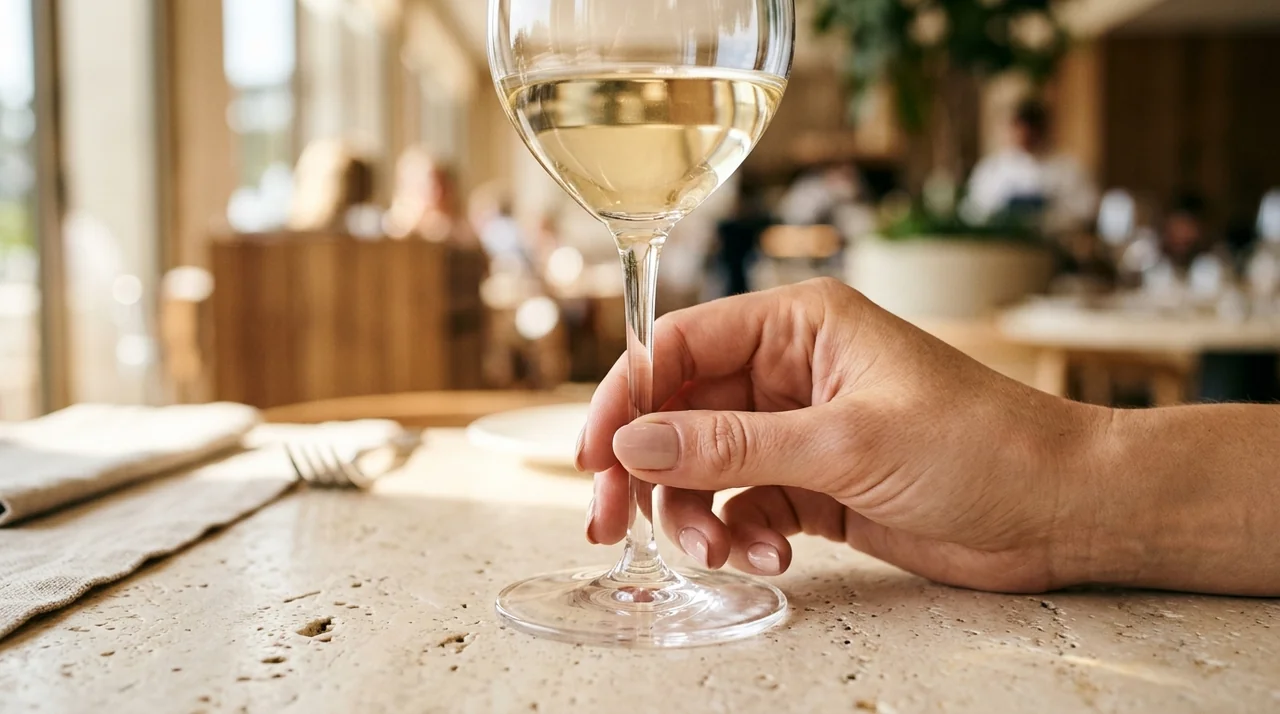
Rosé shows best in a stemmed white wine glass with a medium bowl that tapers slightly at the rim. As emphasized in our guide on how to hold a wine glass properly , always hold the glass by its stem. Wrapping your palm around the bowl transfers body heat (around 36.5°C) directly through the glass and warms chilled rosé within minutes.
4. How Long Rosé Lasts After Opening
As detailed in our guide on how long wine lasts after opening , an opened bottle of rosé keeps for 3 to 5 days in the refrigerator. Reseal the bottle tightly with its original closure or a vacuum stopper to slow oxidation, and store it upright.
Food Pairing Science: Why Rosé Works So Well with Indonesian Cuisine
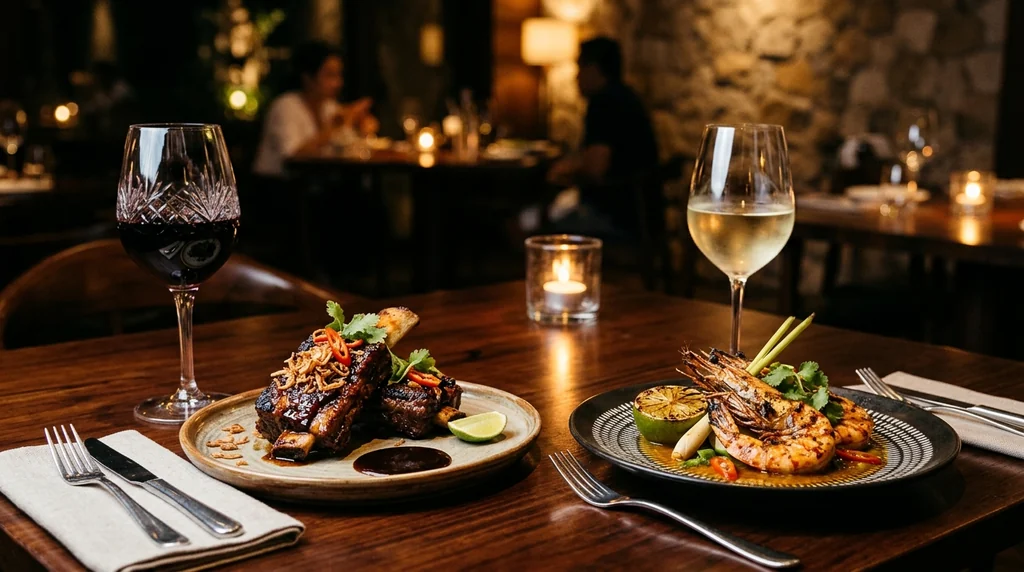
Pairing wine with Indonesian food can be tricky because of aromatic spices, bird’s eye chili heat, and rich coconut milk. Heavy red wines clash with spice because high tannins amplify the burn of capsaicin, while delicate white wines can disappear under bold bumbu.
This is where rosé earns its reputation as a culinary chameleon. It brings together the crisp acidity and chill of white wine to clear oil and coconut milk from the palate, along with soft red fruit aromatics that stand up to aromatic spices:
- Ayam Taliwang and Ayam Betutu: The bright citrus acidity of chilled rosé cools down bird’s eye chili and roasted shrimp paste, while its red berry fruit complements lemongrass, bay leaf, and aromatic galangal.
- Jimbaran-Style Grilled Seafood: Grilled red snapper, savory honey-glazed squid, and charred prawns pair naturally with dry rosé from Provence or Italy. Its mineral acidity lifts the natural sweetness of seafood without metallic aftertastes.
- Crispy Fried Duck with Sambal Korek or Sambal Ijo: Duck carries a rich layer of fat beneath crisp skin. The brisk acidity of rosé cuts cleanly through that richness with every sip.
- Savory Martabak Telur and Crispy Pastel: For casual afternoon gatherings, crisp pastry filled with spiced minced beef and scallions pairs effortlessly with a cold glass of approachable rosé.
6 Top Rosé Wine Recommendations in the Peakwine Catalog
To help you explore pink wine firsthand, Peakwine’s sommelier team has selected six standout rosés from respected international producers and Bali wineries available in Peakwine’s complete wine catalog for secure delivery across Indonesia:
Cape Discovery Rosé 2024 Indonesia
Made from selected grapes fermented at a modern winery in Bali. It pours a bright sparkling pink with aromas of ripe strawberry, fresh watermelon, and frangipani blossom. Light, thirst-quenching, and balanced in acidity, it suits poolside afternoons and coastal lunches.
Sababay Pink Blossom Rosé Series 2022
Crafted from Alphonse Lavallée grapes grown on Bali’s northern coast. It shows a ruby-pink hue with fragrant rose petal, sweet cherry, and fresh lychee. Its gentle sweetness and zero astringency make it a welcoming choice for beginners.
Talamonti Rosé 2024 Italy
Made from 100% Montepulciano grapes grown in the hills of Abruzzo along Italy’s Adriatic coast. It pours a bright cherry-red with a structured medium body, delivering marasca cherry, ripe pomegranate, wild herbs, and long mineral acidity. Ideal with margherita pizza and tomato-based pasta.
Guilhem Moulin de Gassac Rosé 2019 France
A classic southern French blend from the historic Moulin de Gassac estate. It displays a pale onion-skin salmon hue with wild strawberry, white peach, and lavender aromatics. Bone-dry, crisp, and mineral-driven in the true Provence tradition.
Morandé Pionero Reserva Pinot Noir Rosé 2019
Made purely from 100% Pinot Noir grown in Chile’s Casablanca Valley under cool Pacific ocean breezes. Bright pink with lively natural acidity, it offers fresh raspberry, tart red cherry, watermelon, and subtle spice. A strong match for grilled salmon and tuna sushi.
Codorníu Cava Anna Brut Rosé Spain
A Spanish sparkling wine produced using traditional secondary fermentation in the bottle (Méthode Champenoise). It pours a bright pink with fine, persistent bubbles, offering fresh strawberry, red cherry, and toasted brioche. Well suited for celebrations and toasts.
Frequently Asked Questions About Rosé Wine (FAQ)
What is rosé wine and what is it made from?
Rosé wine is a pink wine made from red grapes through a brief skin contact maceration lasting 2 to 24 hours. Because red grape flesh yields clear juice, the pink color is extracted naturally from anthocyanin pigments in the grape skins before the skins are pressed off and the juice is fermented like white wine.
Does rosé wine taste sweet?
Not all rosé wines are sweet. Most high-quality rosés worldwide (such as those from Provence in France, Italy, and Spain) are dry rosés with no sweetness, offering crisp acidity and red fruit aromatics. Sweet rosé and blush wine styles also exist, retaining natural residual sugar for drinkers who prefer a sweeter profile.
Is rosé wine made by mixing red and white wine?
No. Under international viticultural regulations and European Union law, making still rosé by blending red wine and white wine is strictly prohibited. The pink color must be extracted from red grape skin maceration. The only legal exception is Rosé Champagne in France, which permits adding a small amount of still Pinot Noir red wine to a white cuvée.
What is the ideal serving temperature for rosé wine?
The ideal serving temperature for rosé wine is chilled between 7°C and 10°C. At this temperature, fruit acidity tastes crisp and refreshing. In Indonesia’s tropical climate, keep the bottle in an ice bucket filled with ice and water so it does not warm up quickly at the table.
What foods pair well with rosé wine?
Rosé is known as a culinary chameleon because its white-wine acidity and red-wine fruit character pair smoothly with grilled seafood, spiced Indonesian poultry (such as Ayam Taliwang or Ayam Betutu), crispy fried duck with sambal, Mediterranean dishes, and savory snacks like martabak telur.
Conclusion: Discover Fresh Rosé Wines at Peakwine
Rosé wine is far more than a seasonal pour or a pretty color in the glass. It is a versatile style that unites the crisp refreshment of white wine with the red fruit character of red wine. Whether you prefer a mineral-driven dry rosé from Provence, a structured Italian Cerasuolo d’Abruzzo, or a fruit-forward semi-sweet rosé from Bali, pink wine delivers unmatched refreshment in Indonesia’s tropical climate.
Consult Our Sommeliers on Your Rosé Selection
Unsure whether to choose a crisp European dry rosé or a sweet Bali rosé for your next gathering? Peakwine’s certified sommeliers are ready to help you pick the right bottle for your palate and menu.
Explore Curated Selections for Your Cellar
Authentic wines, spirits, and sake personally curated by our sommelier team with verified provenance and climate-controlled delivery.
Wine Guide Collection
Over 1,300+ red, white, and sparkling wines from acclaimed global producers.
Explore Wine Catalog → Premium SpiritsWhisky, Gin, and Vodka
Rare single malts, blended Scotch, artisan gin, and 100% agave tequila.
Explore Spirits Catalog → Cold-Chain GuaranteedSake and Asian Drinks
Authentic Japanese Daiginjo, Ginjo, Junmai sake and chilled Korean soju.
Explore Sake Collection → Instant Delivery22+ Official Outlets
Find the nearest Peakwine cellar outlet in Bandung and Jakarta for direct pickup.
Find Store Locations →

 By Wine Style
 Red Wine
 White Wine
 Sparkling Wine & Champagne
 Rosé Wine
 Dessert & Sweet Wine
 Fortified & Port Wine
 By Grape Variety
 Cabernet Sauvignon
 Shiraz
 Chardonnay
 Merlot
 Sauvignon Blanc
 Pinot Noir
 Tempranillo
 Sangiovese
 Malbec
 Grenache
 Semillon
 Primitivo
 Moscato
 Carmenere
 Riesling
 Pinot Grigio
 By Country & Region
 Australia
 France
 Chile
 Indonesia
 Italy
 Argentina
 Spain
 United States
 Portugal
 South Africa
 New Zealand
 Japan
 Germany
 By Taste & Sweetness
 Full-Bodied Wine
 Medium-Bodied Wine
 Light-Bodied Wine
 Sweet & Fruity Wine
 Dry Wine
 Curated Collections
 Best Sellers
 Everyday Value (< 500k)
 Reserve & Cellar

 Whisky & Whiskey
 Single Malt Scotch
 Blended Scotch
 Bourbon & Tennessee
 Japanese Whisky
 Irish Whiskey
 Gin
 London Dry Gin
 Dry Gin
 Tequila & Mezcal
 Vodka
 Premium & Craft Vodka
 Indonesian Vodka
 Rum
 White Rum
 Dark Rum
 Brandy Cognac
 Armagnac
 Liqueur
 Traditional Spirit


