


📖 Table of Contents ▼
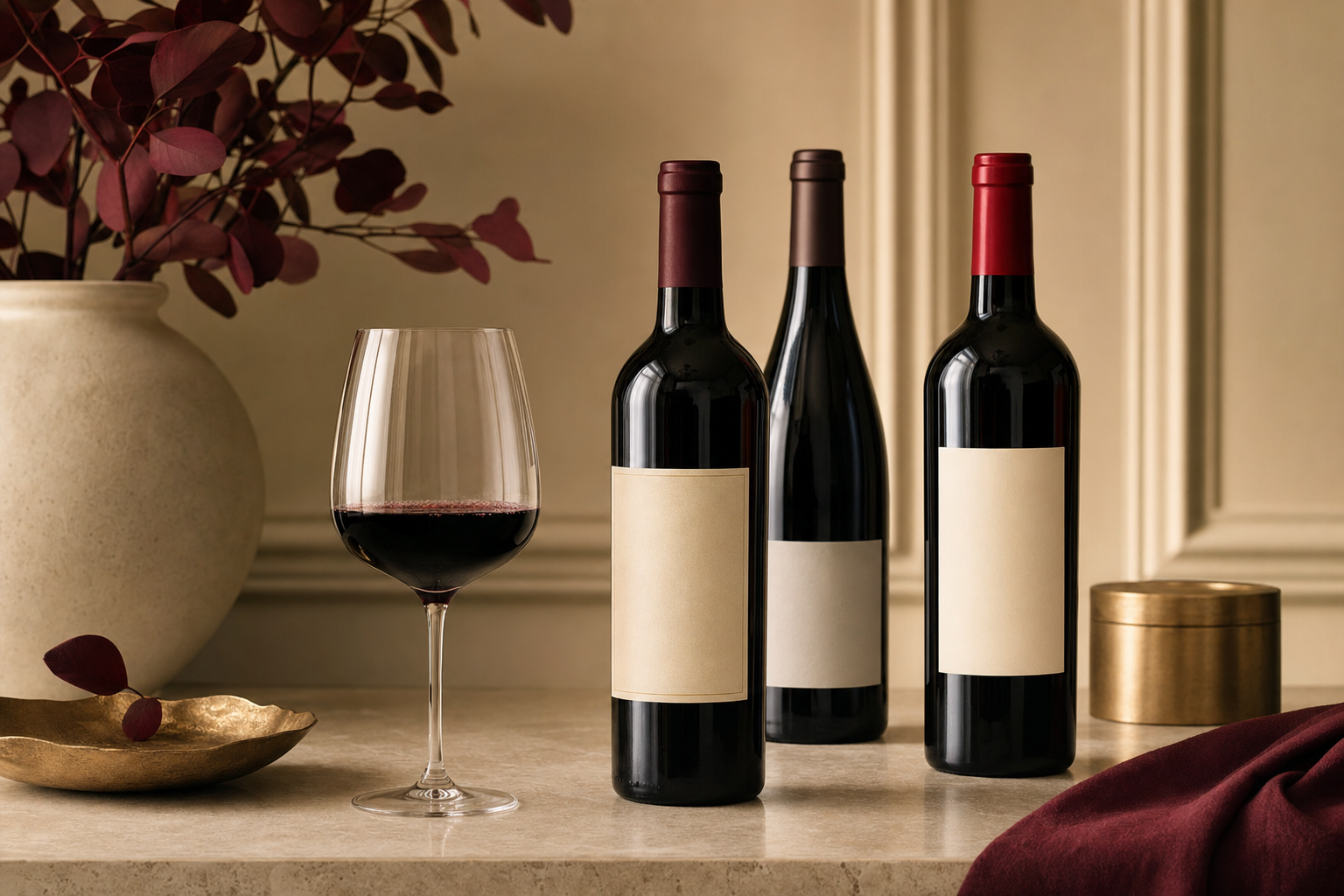
Choosing red wine as a beginner comes down to three things: knowing approachable varietals, matching the occasion and food, and sticking to a sensible budget. Start with softer grapes like Merlot or Pinot Noir, then work your way up to fuller-bodied styles. You do not need to memorize everything to pick a great first bottle.

Three Beginner-Friendly Red Varietals
Red wine is made from many grape varieties, and the grape itself drives most of the flavor. These three are the best starting points for beginners.
| Varietal | Character | Best for |
|---|---|---|
| Merlot | Soft, ripe red fruit, low tannins | Beginners, everyday meals, roast chicken |
| Pinot Noir | Light-bodied, crisp acidity, fresh red berries | Casual sipping, fatty fish, mushrooms |
| Cabernet Sauvignon | Full-bodied, firm tannins, blackcurrant | Steak, red meat, formal dinners |
Practical advice: make Merlot your first bottle. If it feels too light, step up to Cabernet Sauvignon. If you want something in between, Australian Shiraz offers a fuller body with ripe fruit.
To easily tell the difference between astringency and weight on your palate before buying, read our guide to understanding wine flavor profiles from body to tannins .
How to Read a Red Wine Label
A red wine label gives you three key details: the grape variety or region, the harvest year (vintage), and the alcohol percentage. Vintage matters because harvest weather shapes the flavor, especially in European wines. As a beginner, do not stress over vintage; focus on the varietal and a comfortable price point first. Find full details in our guide to reading wine bottle labels .
Match Your Budget, Occasion, and Food
- Budget. Good wine does not have to be expensive. Many mid-range Merlots and Shirazes drink very well. Browse Peakwine’s wine collection to fit your price range.
- Occasion. Everyday dinners call for lighter reds like Merlot or Pinot Noir. Formal gatherings pair well with fuller-bodied wines like Cabernet Sauvignon. See also the right wine for every occasion .
- Food. Full-bodied reds stand up to red meat and rendang. Lighter reds pair well with chicken or mushrooms. Learn the core principles in our basic wine and food pairing guide .
- ABV. Check the alcohol level on the label. Red wines typically sit between 12 and 15 percent; pick a lower-ABV bottle when you are just starting out.
Tips for Buying Your First Red Wine
Three tips beginners often overlook. First, buy from a reputable shop that stores wine properly so the bottle arrives in top condition. Second, do not judge by price alone; a mid-range bottle from a solid producer often tastes better than an expensive bottle that does not suit your palate. Third, ask for recommendations. The team at Peakwine store locations can help you choose based on your taste and occasion. For a broader foundation, read our complete beginner’s guide to wine .
FAQ
What is the safest first red wine for a beginner?
Merlot. It is soft, low in tannins, and easy to drink. Once you are comfortable with it, you can try a heavier Cabernet Sauvignon.
Is expensive red wine always better?
No. Price reflects scarcity, region, and producer reputation, not a guarantee that you will enjoy the taste. Many mid-priced reds are genuinely delicious.
Should I store red wine in the refrigerator?
Not before opening. Store unopened bottles in a cool, dark place at 12-15°C lying on their side. Before serving in Indonesia’s warm climate, reds often benefit from a brief chill down to 16-18°C.
Does red wine pair well with spicy food?
Usually not. High-alcohol reds amplify heat. For spicy dishes, a lower-alcohol white wine with a touch of sweetness is a safer match.

Explore Curated Selections for Your Cellar
Authentic wines, spirits, and sake personally curated by our sommelier team with verified provenance and climate-controlled delivery.
Wine Guide Collection
Over 1,300+ red, white, and sparkling wines from acclaimed global producers.
Explore Wine Catalog → Premium SpiritsWhisky, Gin, and Vodka
Rare single malts, blended Scotch, artisan gin, and 100% agave tequila.
Explore Spirits Catalog → Cold-Chain GuaranteedSake and Asian Drinks
Authentic Japanese Daiginjo, Ginjo, Junmai sake and chilled Korean soju.
Explore Sake Collection → Instant Delivery22+ Official Outlets
Find the nearest Peakwine cellar outlet in Bandung and Jakarta for direct pickup.
Find Store Locations →

 By Wine Style
 Red Wine
 White Wine
 Sparkling Wine & Champagne
 Rosé Wine
 Dessert & Sweet Wine
 Fortified & Port Wine
 By Grape Variety
 Cabernet Sauvignon
 Shiraz
 Chardonnay
 Merlot
 Sauvignon Blanc
 Pinot Noir
 Tempranillo
 Sangiovese
 Malbec
 Grenache
 Semillon
 Primitivo
 Moscato
 Carmenere
 Riesling
 Pinot Grigio
 By Country & Region
 Australia
 France
 Chile
 Indonesia
 Italy
 Argentina
 Spain
 United States
 Portugal
 South Africa
 New Zealand
 Japan
 Germany
 By Taste & Sweetness
 Full-Bodied Wine
 Medium-Bodied Wine
 Light-Bodied Wine
 Sweet & Fruity Wine
 Dry Wine
 Curated Collections
 Best Sellers
 Everyday Value (< 500k)
 Reserve & Cellar

 Whisky & Whiskey
 Single Malt Scotch
 Blended Scotch
 Bourbon & Tennessee
 Japanese Whisky
 Irish Whiskey
 Gin
 London Dry Gin
 Dry Gin
 Tequila & Mezcal
 Vodka
 Premium & Craft Vodka
 Indonesian Vodka
 Rum
 White Rum
 Dark Rum
 Brandy Cognac
 Armagnac
 Liqueur
 Traditional Spirit


