

A Beginner’s Guide to Wine Tasting: Easy Steps to Taste Like a Pro


📖 Table of Contents ▼
Wine tasting is a way to evaluate wine through color, aroma, and flavor to understand its quality and style. For beginners, tasting wine properly takes a bit of practice. Below are the essential steps, from observing the color to noting your preferences, so you can feel more confident when trying new bottles.
What Is Wine Tasting?
Wine tasting is a sensory evaluation of wine to understand its quality, style, and maturity. It is not just about drinking alcohol; it involves observing color, smelling aromas, tasting flavors, and assessing texture (mouthfeel). Tasting wine at home can be ideal because the setting is quiet and free of distractions. Keep in mind that a wine’s flavor can shift depending on room temperature, glass shape, and what you ate beforehand.
Benefits of Wine Tasting
- Build your wine knowledge. Understand how differences in fermentation, origin, and winemaking techniques shape flavor and aroma.
- Distinguish wine flavors. Learn to recognize sweetness, acidity, bitterness, and tannins. The more you practice, the sharper your palate becomes at identifying each wine’s unique traits.
- Choose the right bottle. Make it easier to pick wines for different occasions and pair them with food.
- Identify wine aromas. Spot notes of fruit, flowers, spice, earth, or oak, and see how they connect to the taste.
How to Taste Wine Properly
1. Observe the Color
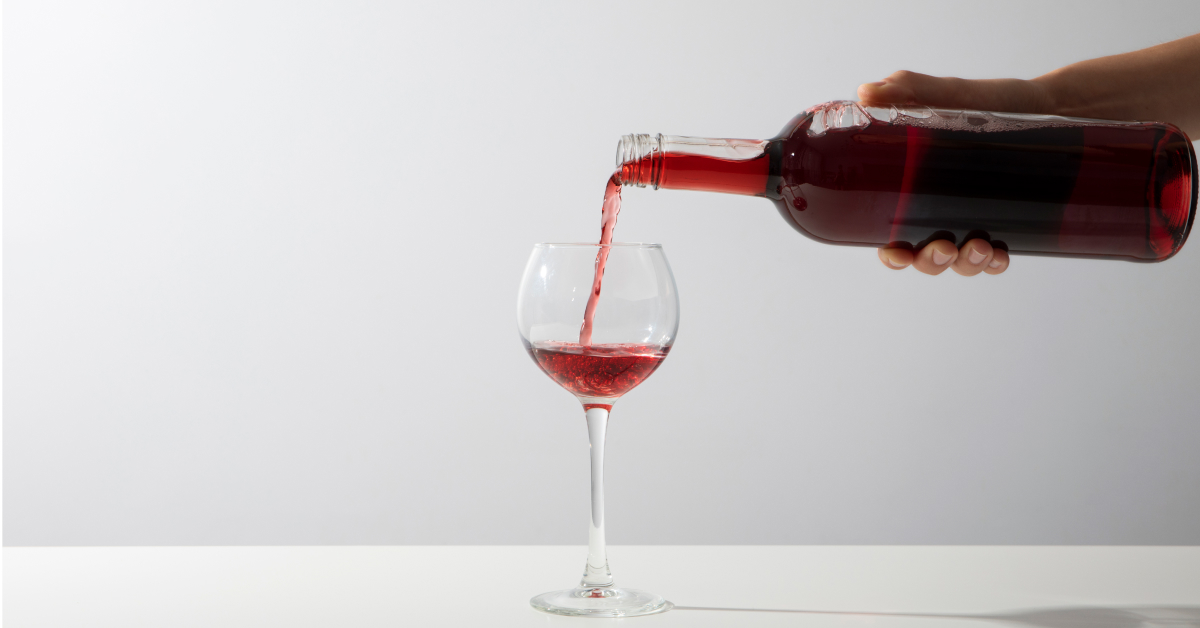
Pour about 40 ml of wine into a glass, tilt it, and examine the color against a white background. Note whether it is red, white, or rosé, along with its intensity, from deep purple to bright ruby for reds, or pale straw to deep gold for whites. A rim fading to orange or brown indicates older age. Legs (streaks on the inside of the glass) point to alcohol level and viscosity. A cloudy appearance suggests minimal filtration or sediment.
2. Smell the Aromas
Swirl the glass gently to aerate the wine, then bring it to your nose and inhale slowly. Breathe with your mouth slightly open so your sense of smell works at its best. Look for fruit notes (fresh, ripe, or dried), florals like jasmine or violet, spices like cinnamon or vanilla, toasted notes like brioche or coffee, or savory nuances like tobacco and damp earth. Sauvignon Blanc often shows green bell pepper, while Cabernet Sauvignon leans toward blackcurrant. Toasted notes typically come from oak barrel aging.
3. Taste Slowly
Take a small sip and let the wine coat your mouth for 3-5 seconds before swallowing. Pay attention to three layers of flavor: primary flavors (from the grape: fruit, flowers, herbs), secondary flavors (from fermentation: yeast, nuts, butter), and tertiary flavors (from aging: spice, tobacco, leather). Check the balance: is it too acidic, too sweet, or harmonious across sweetness, acidity, and tannins?
4. Note Your Preferences
After tasting, jot down your impressions. Ask yourself: is it balanced? How strong is the intensity? Is the wine complex with many layers, or dominated by a single note? How long does the finish last? The longer the flavor lingers, the higher the quality. Keeping notes helps you spot patterns in your personal taste.
What to Look For During a Wine Tasting
- Tannins. Natural compounds from grape skins, seeds, stems, and oak barrels that create a drying sensation in the mouth. High-tannin wines like Cabernet Sauvignon or Nebbiolo feel firmer and fuller. Smooth tannins indicate a mature wine, while harsh tannins can signal unripe grapes.
- Acid and sweetness balance. Cool-climate wines tend to be higher in acidity (Riesling), while warm-climate wines lean riper and sweeter (Port).
- Finish. The flavor that lingers after swallowing is a key indicator of quality. Fine wines have a long, complex finish.
Peakwine Picks for Wine Tasting
Chateau Los Boldos Tradition Chardonnay
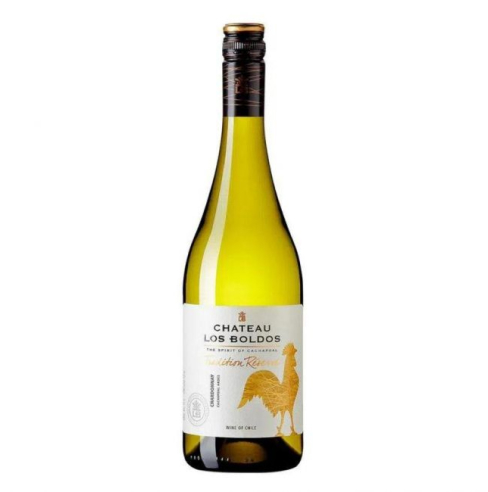
Pale yellow with green tints. Delicate aromas of acacia blossom, honey, and green apple. Smooth on the palate with a touch of soft butter, crisp acidity, and a hint of pear. Pairs well with grilled salmon or grilled prawns.
View Chateau Los BoldosYellow Tail Cabernet Sauvignon
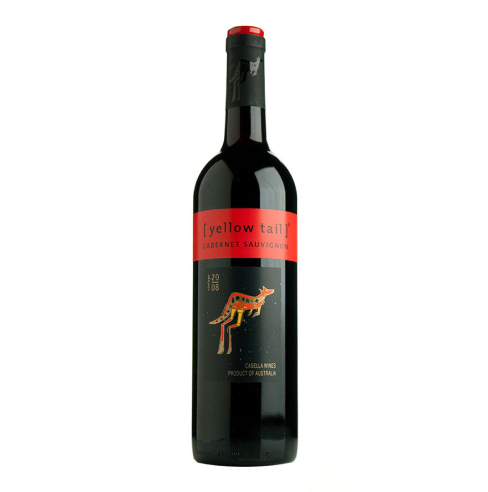
A bold yet approachable red wine. Aromas of blackcurrant, blackberry, and a touch of sweet mocha. Rich dark fruit flavors with a hint of tart cherry. Pairs well with roast meats or aged cheeses.
View Yellow Tail CabernetFinish with a Great Wine Tasting at Home
Wine tasting is about appreciating every aroma, flavor, and texture. Peakwine carries a full selection, from crisp whites to rich reds, to support your exploration.
Browse Wine Collection
Explore Curated Selections for Your Cellar
Authentic wines, spirits, and sake personally curated by our sommelier team with verified provenance and climate-controlled delivery.
Wine Guide Collection
Over 1,300+ red, white, and sparkling wines from acclaimed global producers.
Explore Wine Catalog → Premium SpiritsWhisky, Gin, and Vodka
Rare single malts, blended Scotch, artisan gin, and 100% agave tequila.
Explore Spirits Catalog → Cold-Chain GuaranteedSake and Asian Drinks
Authentic Japanese Daiginjo, Ginjo, Junmai sake and chilled Korean soju.
Explore Sake Collection → Instant Delivery22+ Official Outlets
Find the nearest Peakwine cellar outlet in Bandung and Jakarta for direct pickup.
Find Store Locations →

 By Wine Style
 Red Wine
 White Wine
 Sparkling Wine & Champagne
 Rosé Wine
 Dessert & Sweet Wine
 Fortified & Port Wine
 By Grape Variety
 Cabernet Sauvignon
 Shiraz
 Chardonnay
 Merlot
 Sauvignon Blanc
 Pinot Noir
 Tempranillo
 Sangiovese
 Malbec
 Grenache
 Semillon
 Primitivo
 Moscato
 Carmenere
 Riesling
 Pinot Grigio
 By Country & Region
 Australia
 France
 Chile
 Indonesia
 Italy
 Argentina
 Spain
 United States
 Portugal
 South Africa
 New Zealand
 Japan
 Germany
 By Taste & Sweetness
 Full-Bodied Wine
 Medium-Bodied Wine
 Light-Bodied Wine
 Sweet & Fruity Wine
 Dry Wine
 Curated Collections
 Best Sellers
 Everyday Value (< 500k)
 Reserve & Cellar

 Whisky & Whiskey
 Single Malt Scotch
 Blended Scotch
 Bourbon & Tennessee
 Japanese Whisky
 Irish Whiskey
 Gin
 London Dry Gin
 Dry Gin
 Tequila & Mezcal
 Vodka
 Premium & Craft Vodka
 Indonesian Vodka
 Rum
 White Rum
 Dark Rum
 Brandy Cognac
 Armagnac
 Liqueur
 Traditional Spirit


