


📖 Table of Contents ▼
Dry wine is a style with little to no residual natural sugar after fermentation, which gives it a sharper and more complex profile than sweet wine. Popular examples include Chardonnay and Cabernet Sauvignon. Below, we cover its history, production, main styles, and how beginners can choose the right bottle.
The History of Dry Wine
Dry wine has a long history. People have enjoyed dry styles for thousands of years, and in ancient Egypt it was favored by nobility. Today, dry wine is produced across France, Italy, Spain, the United States, and Australia. Each country brings its own character: French wines tend to be more restrained, while Australian bottlings lean bolder and more fruit-forward. Pioneers like Robert Mondavi also played a major role in bringing American dry wine to global prominence.
What makes a wine dry is a fermentation process that converts nearly all of the grape’s natural sugar into alcohol. Unlike sweet wines that retain sugar, dry wines allow yeast to consume the sugar completely. The result is a crisp, clean, and complex palate without sweetness. Dryness is measured by its very low residual sugar.
Types of Dry Wine
Red Dry Wine
Red dry wines such as Cabernet Sauvignon, Merlot, and Pinot Noir offer rich flavor with structured tannins. They pair well with red meat, steak, and bold, seasoned dishes. Their dark fruit and spice notes make them a natural fit for dinner.
White Dry Wine
White dry wines such as Chardonnay, Sauvignon Blanc, and Pinot Grigio are fresher and lighter, with tropical fruit and floral aromas. They pair well with seafood, salads, and lighter fare, and are best served chilled.
How to Choose Dry Wine for Beginners
- Start with lighter varietals. Choose dry wines with smooth, approachable flavors as an easy entry point.
- Try white dry wine first. White styles are often more beginner-friendly because they are crisp and fruit-forward.
- Pay attention to food pairing. Dry wine is versatile. Match reds with meat and whites with seafood.
- Experiment across regions. Sample dry wines from France, Italy, Australia, or the United States to find your favorite style.
Dry Wine Recommendations for Beginners
1. Light red and white dry varietals
Varietals with smooth, straightforward flavors are an ideal starting point for newcomers exploring dry wine.
2. Crisp white dry wine
Fresh white dry wines with bright fruit aromas are very approachable for first-time drinkers.
3. Balanced red dry wine
A red dry wine with rich flavor that is not overpowering helps beginners ease into fuller styles.
4. Dry Rosé
Rosé is typically lighter with floral notes, making it an easygoing choice for beginners.
5. International selections
Try dry wines from different countries to compare styles and discover your preferred character.
Find Your Favorite Dry Wine at Peakwine
Dry wine is a complex, rewarding category with nuances and flavors for every palate. Peakwine carries over 500 alcoholic beverages, all 100% original with safe packaging, shipped from Jakarta, Bandung, and Bali.
Browse Wine Collection
Explore Curated Selections for Your Cellar
Authentic wines, spirits, and sake personally curated by our sommelier team with verified provenance and climate-controlled delivery.
Wine Guide Collection
Over 1,300+ red, white, and sparkling wines from acclaimed global producers.
Explore Wine Catalog → Premium SpiritsWhisky, Gin, and Vodka
Rare single malts, blended Scotch, artisan gin, and 100% agave tequila.
Explore Spirits Catalog → Cold-Chain GuaranteedSake and Asian Drinks
Authentic Japanese Daiginjo, Ginjo, Junmai sake and chilled Korean soju.
Explore Sake Collection → Instant Delivery22+ Official Outlets
Find the nearest Peakwine cellar outlet in Bandung and Jakarta for direct pickup.
Find Store Locations →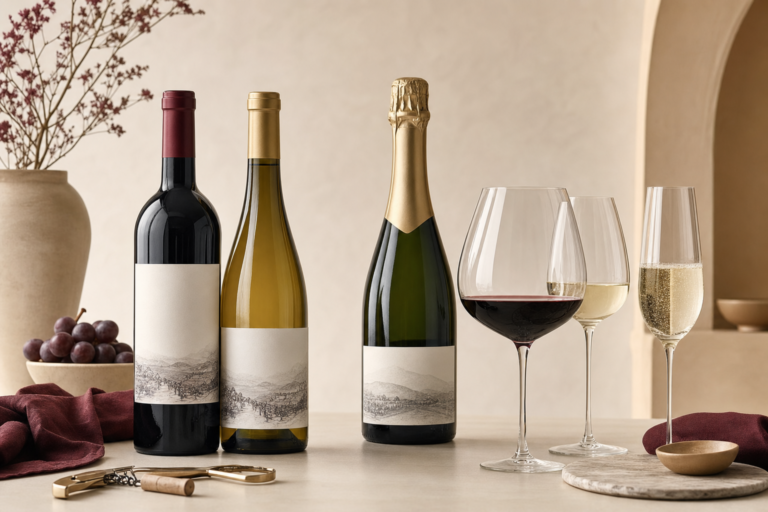



 By Wine Style
 Red Wine
 White Wine
 Sparkling Wine & Champagne
 Rosé Wine
 Dessert & Sweet Wine
 Fortified & Port Wine
 By Grape Variety
 Cabernet Sauvignon
 Shiraz
 Chardonnay
 Merlot
 Sauvignon Blanc
 Pinot Noir
 Tempranillo
 Sangiovese
 Malbec
 Grenache
 Semillon
 Primitivo
 Moscato
 Carmenere
 Riesling
 Pinot Grigio
 By Country & Region
 Australia
 France
 Chile
 Indonesia
 Italy
 Argentina
 Spain
 United States
 Portugal
 South Africa
 New Zealand
 Japan
 Germany
 By Taste & Sweetness
 Full-Bodied Wine
 Medium-Bodied Wine
 Light-Bodied Wine
 Sweet & Fruity Wine
 Dry Wine
 Curated Collections
 Best Sellers
 Everyday Value (< 500k)
 Reserve & Cellar

 Whisky & Whiskey
 Single Malt Scotch
 Blended Scotch
 Bourbon & Tennessee
 Japanese Whisky
 Irish Whiskey
 Gin
 London Dry Gin
 Dry Gin
 Tequila & Mezcal
 Vodka
 Premium & Craft Vodka
 Indonesian Vodka
 Rum
 White Rum
 Dark Rum
 Brandy Cognac
 Armagnac
 Liqueur
 Traditional Spirit


